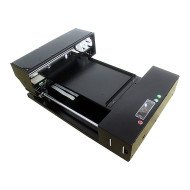
Understanding Maintenance Costs of PrintPods Handheld Printers

The Industrial Reality
In industries where precision and efficiency are crucial, handheld printers like PrintPods for absorbent surfaces have carved a niche. Imagine a production floor where rapid labeling on varying materials is a necessity. Each pause in operation equates to a potential financial setback. Here, maintenance costs emerge as a critical factor. For companies relying heavily on such printers, understanding the ins and outs of maintenance expenses is not just an operational concern but a financial imperative.
Technical Deep-Dive
1. Printhead Durability
The durability of a printhead directly impacts maintenance schedules. PrintPods typically feature piezoelectric printheads, where reliability is affected by the frequency of use and the types of substrates. Printheads operating on absorbent surfaces require specific nozzles to cope with higher ink flow rates, which can wear out faster. Consider a usage scenario where a printhead handles ink droplets of 10 pl at a rate of 100,000 per second, leading to a cumulative stress of 10 million pl per minute. Scheduled maintenance becomes essential to avoid downtime.
2. Ink Chemistry
Ink formulation is tailored to ensure compatibility with absorbent surfaces, but this comes with its own set of challenges. The chemical composition affects printhead longevity and the clogging rate. A standard ink might contain 20% solvents to facilitate drying, but this also increases the risk of chemical wear on the printhead components, necessitating frequent maintenance.
3. Electrical Consumption
Handheld printers are designed for portable use, which means they rely on battery technology for power. The efficiency of these batteries can impact maintenance schedules, as battery degradation affects both operational capacity and recharging cycles. For instance, a unit drawing 25 Watts might need recharging after 2 hours of intensive use, necessitating frequent battery checks and replacements.
4. Hardware Comparisons
When comparing PrintPods with similar devices, it's crucial to consider the total cost of ownership (TCO). For instance, if a comparable device has a maintenance interval of 500 hours but a PrintPod lasts 1000 hours under the same conditions, the latter offers cost advantages despite potentially higher upfront costs.
| Feature | PrintPods | Competitor |
|---|---|---|
| Maintenance Interval (hours) | 1000 | 500 |
| Battery Life (hours) | 2 | 1.5 |
| Ink Droplet Size (pl) | 10 | 12 |
Scenario Analysis
Use-Case 1: Retail Industry
In retail, handheld printers are essential for inventory management. When utilized on absorbent surfaces like paper or cardboard labels, the maintenance and refills must align with peak operational hours. For example, a retailer printing on 10,000 units daily could face substantial operational disruptions if maintenance cycles are not properly scheduled.
Use-Case 2: Manufacturing
In manufacturing, bulk printing on absorbent surfaces such as textiles or packaging components demands high durability from printers like PrintPods. A disrupted print line due to unexpected maintenance could halt production, emphasizing the need for rigorous maintenance planning and reliable equipment.
Use-Case 3: Logistics and Shipping
For logistics companies, labeling packages efficiently is crucial for timely deliveries. PrintPods' maintenance intervals must be meticulously planned to ensure that labeling lines operate without interruption, especially during peak shipping seasons.
Expert FAQ
Q1: How does ink type affect maintenance?
A1: The solvent ratio in inks can accelerate printhead wear, increasing maintenance frequency.
Q2: What are common signs of printhead wear in PrintPods?
A2: Inconsistencies in print quality, such as missing lines or faded prints, indicate potential wear.
Q3: How can battery life be optimized?
A3: Regularly cycling the battery and avoiding deep discharges can extend its lifespan.
Q4: What environmental factors impact maintenance?
A4: Temperature and humidity affect ink drying times and can accelerate hardware wear.
Q5: Are there cost-effective options for frequent maintenance?
A5: Establishing bulk maintenance contracts with authorized service providers can reduce costs.
Strategic Verdict
The maintenance landscape for PrintPods handheld printers is nuanced, balancing the precision needed for absorbent surfaces with operational efficiency. As these devices evolve, innovations in printhead durability and ink chemistry will likely shift maintenance paradigms, offering businesses greater reliability while managing costs. Understanding these maintenance intricacies allows companies to optimize their investment, ensuring operational continuity and financial prudence.