Understanding Asset Longevity in Headstone Photo Printing

The Industrial Reality
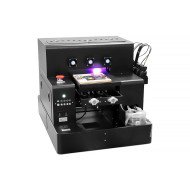
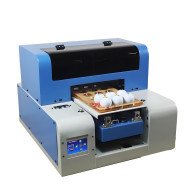
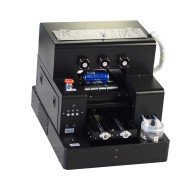
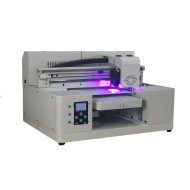
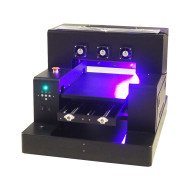
Headstone photo printing presents unique challenges in asset management, particularly concerning depreciation and resale value. These printers are designed to etch memories onto stone, demanding precision and reliability.
Technical Deep-Dive
Printhead Technology
Printhead design is critical in achieving high-resolution output. The precision required for tomb photos is achieved through advanced nozzle technology capable of delivering ink droplets as small as 1 pl.
Ink Chemistry
The specialized ink formulations are developed to resist fading from UV exposure, ensuring lasting impressions on stone substrates.
Asset Depreciation Analysis
Longevity and depreciation are influenced by factors such as usage intensity and environmental exposure. Calculating annual depreciation using the straight-line method reveals substantial differences compared to traditional office printers.
Hardware Comparisons
| Printer Type | Resolution (dpi) | Ink Droplet Size (pl) |
|---|---|---|
| Tomb Photos Printer | 4800 | 1 |
| Standard Office Printer | 1200 | 4 |
Resale Value Considerations
Understanding the resale market for high-precision printers involves analyzing demand cycles, technology upgrades, and wear-and-tear impact.
Scenario Analysis
Consider three business models: funeral homes, customized monument makers, and specialty print shops. Each requires careful consideration of printer capabilities and asset management strategies.
Expert FAQ
- What factors influence printhead longevity?
High-resolution printing frequency and maintenance protocols are key. - How does ink chemistry affect asset depreciation?
Ink resistance to environmental factors reduces wear-related value declines. - What is the typical lifespan of these printers?
Operational lifespan averages 10-15 years with periodic maintenance. - Why is resolution critical in tomb photos printing?
High-resolution ensures clarity and detail retention on hard substrates. - How are environmental exposures managed?
Using protective coatings and shelters reduces element-related degradation.
Strategic Verdict
As the demand for personalized memorials grows, the technology's trajectory promises increased integration with advanced materials and AI-driven design processes.