Uncovering DTG & DTF Printing Infrastructure Challenges

The Industrial Reality of T-shirt Printing
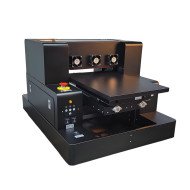
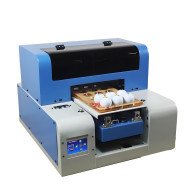
In the realm of garment manufacturing, the integration of Direct-to-Garment (DTG) and Direct-to-Film (DTF) printing technology presents unique infrastructure challenges. As business owners seek scalable solutions, understanding how these printers fit within existing setups becomes crucial. The A3 T-shirt printing machine serves as a case study in the intricacies of infrastructure integration.
Component Failures in High-Precision Environments
When analyzing DTG & DTF printers, examining potential failure points is essential. For example, printheads, a critical component, often face issues tied to ink viscosity and substrate compatibility. A typical printhead operates with a precision of 3 picoliters (pl) drop size, making it susceptible to clogging when ink chemistry isn't optimized.
Hardware Comparison: DTG vs. DTF
| Metric | DTG | DTF |
|---|---|---|
| Print Resolution | 1440 dpi | 1200 dpi |
| Operational Temperature | 40-50 °C | 50-60 °C |
| Substrate Flexibility | Single Fabric Type | Multi-Fabric Capability |
Thermal Management
Thermal challenges arise, particularly with DTF, which operates at higher temperatures (up to 60 °C). Effective thermal management within server racks requires consideration of air flow and heat dissipation strategies, crucial for maintaining consistent output quality.
Global Supply Chain Complexities
Sourcing components for DTG & DTF machines involves navigating a complex global supply chain. With printheads often sourced from regions like Japan, manufacturers must address geopolitical and logistical factors that impact availability and lead times.
Hidden Operational Bottlenecks
Operational bottlenecks often emerge in the form of maintenance schedules and ink replenishment cycles. A DTG printer, for instance, might demand bi-weekly maintenance to ensure ink quality and nozzle functionality, impacting throughput and labor costs.
Scenario Analysis: Business Use-Cases
Scenario 1: The Scalable Business Owner
For high-volume production facilities, DTG printers offer efficiency with a trade-off in substrate versatility. The DTG machine's single-fabric focus requires a streamlined process, prioritizing speed over flexibility.
Scenario 2: The High-End Artisan
Artisans utilizing DTF technology benefit from its multi-fabric capabilities. Despite the challenge of higher operational temperatures, the ability to print on diverse substrates provides a competitive advantage in niche markets.
Scenario 3: The Maintenance Lead
With day-to-day operation, maintenance leads face the reality of printhead care and ink chemistry, requiring precise calibration to avoid downtime and ensure peak performance.
Expert FAQ
- What impacts printhead lifespan? Factors like ink viscosity, temperature extremes, and substrate abrasiveness play significant roles.
- Are DTG and DTF inks interchangeable? No, inks vary due to substrate requirements and printhead specifications.
- How does climate affect operation? Humidity and ambient temperatures influence ink drying times and machine wear.
- Can DTG printers handle high production volumes? Yes, with regular maintenance and optimized settings to manage print quality.
- What are the cost variables in operation? Includes ink, substrate diversity, maintenance, and thermal control costs.
Strategic Verdict
While DTG & DTF technology offers promising solutions for garment printing, its trajectory depends on infrastructure adaptability and supply chain resilience. Enterprises must weigh operational flexibility against cost efficiency.