
Ultimate Guide to UV Printers: Unlocking High-Quality Printing Solutions
Are you feeling overwhelmed by the options available for digital printing? Do you want a versatile solution that delivers vibrant, durable results on a variety of materials? If so, you"ve probably come across the term UV printer more than once. But what exactly makes UV printers stand out in the world of printing technology?
Imagine a small business owner named Sarah. She runs a custom gift shop and constantly faces challenges when trying to print on unusual surfaces like glass, wood, or metal. Traditional inks just don"t stick well or last long enough. When Sarah discovered UV printers, her entire approach to printing changed. She could now produce high-quality, durable images on almost any material with ease, reducing her costs and increasing customer satisfaction. Stories like Sarah"s are becoming more common as UV printing gains popularity for its versatility and quality.
What is a UV Printer and How Does It Work?
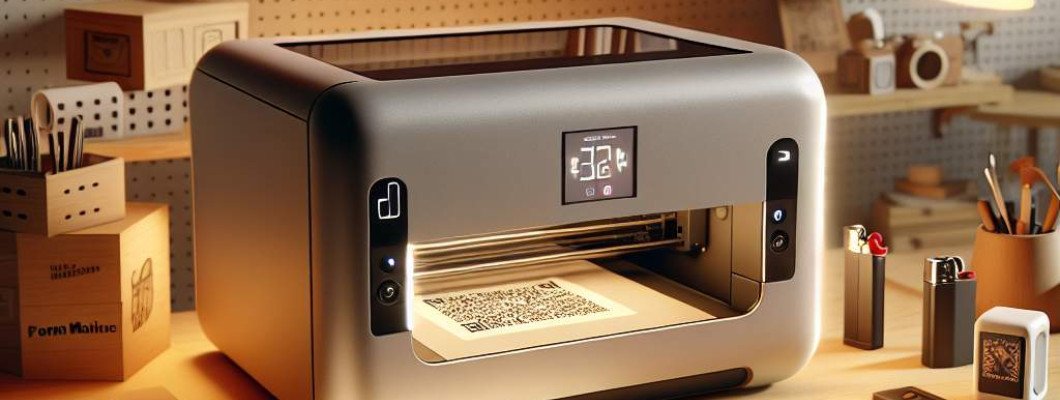
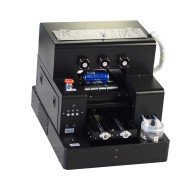
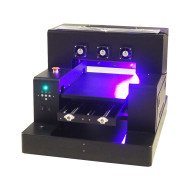
A UV printer is a type of digital printing equipment that uses ultraviolet light to cure or instantly dry the ink as it is printed. This process enables the ink to adhere firmly to a wide range of surfaces, including non-porous and tricky materials like glass, acrylic, metal, or even plastic. Unlike traditional inkjet printers, UV printers don"t rely on absorption or evaporation of ink; instead, UV light solidifies the ink immediately, producing sharp, vibrant images with enhanced durability.
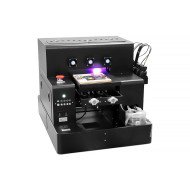
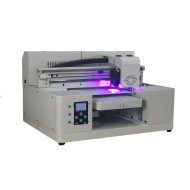
The core components of a UV printer include a print head, a UV light system, and often a flatbed design that allows printing on objects of various thicknesses. During operation, the ink is sprayed or jetted onto the surface, and immediately, UV light activates the curing process. This rapid drying results in a waterproof, scratch-resistant, and fade-proof finish that maintains its vibrancy over time.
Advantages of Using UV Printers
- Prints on Diverse Materials: UV printers can handle virtually any substrate—from paper and fabric to rigid surfaces like wood, glass, acrylic, and metals.
- High-Quality, Vibrant Output: The curing process preserves rich colours and fine details, making images pop with clarity.
- Fast Turnaround: With instant curing, production times are significantly reduced, vital for quick order fulfillments.
- Durability and Resistance: Prints are scratch-proof, weather-resistant, and UV-resistant, perfect for outdoor signage or long-lasting displays.
- Eco-Friendly Operation: Many UV printers use inks that contain fewer volatile organic compounds (VOCs), making them safer and more environmentally friendly.
Key Factors to Consider When Choosing a UV Printer
If you"re contemplating investing in a UV printer, consider these fundamental aspects to ensure it matches your needs:
- Print Size and Format: Evaluate the maximum dimensions of objects you plan to print on; flatbed models typically offer larger formats.
- Resolution and Print Quality: Higher dpi (dots per inch) results in sharper images—crucial for detailed designs.
- Material Compatibility: Confirm that the printer can handle your specific substrates, especially if you work with unusual or thick materials.
- Speed and Production Capacity: For high-volume printing, opt for models with faster print speeds and multi-head configurations.
- Cost and Maintenance: Balance initial investment with ongoing service costs; some models require frequent upkeep to maintain quality.
Practical Uses of UV Printing in Different Industries
UV printers are transforming how various sectors approach branding, product customization, and packaging. Here are some typical applications:
Signage and Advertising
UV printing produces bold, eye-catching signs, banners, and displays that withstand outdoor conditions. Their durability means less frequent replacements, saving money and effort.
Personalized Products
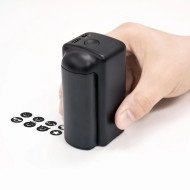
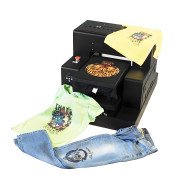
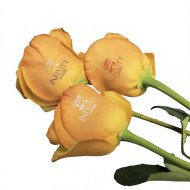
From custom phone cases to gifts, businesses leverage UV printers to create personalized items that stand out in the market—thanks to their ability to print high-resolution images on diverse objects.
Branding and Packaging
High-quality printing on packaging materials enhances brand presence. UV printers also print on product labels, boxes, and containers, creating seamless branding options.
Interior and Architectural Design
Decorators and architects use UV printers to produce decorative panels, wall art, and custom furniture finishes that are durable and visually striking.
Maintenance and Best Practices for Longevity
To get the most out of your UV printer, regular cleaning and maintenance are essential. Use manufacturer-recommended cleaning solutions for print heads, ensure proper ventilation, and regularly check the UV light system for optimal curing. Proper calibration guarantees consistent, high-quality output and extends the equipment lifespan.
Future Trends in UV Printing Technology
The industry is continually evolving, with innovations like robotic automation, multi-material printing, and improved eco-friendly inks on the horizon. As technology advances, UV printing will become even more versatile, faster, and environmentally sustainable, opening new possibilities for creative and industrial applications.
FAQs About UV Printers
1. How much does a UV printer cost?
Prices vary widely based on size, quality, and features, ranging from a few thousand dollars for small, desktop models to over $100,000 for large commercial units.
2. Can UV printers print on curved surfaces?
Yes, many UV printers are capable of printing on curved or irregular surfaces, making them ideal for customized and complex designs.
3. Are UV printers safe to operate?
When used properly with appropriate safety measures, UV printers are safe. Always follow manufacturer guidelines, wear protective gear when necessary, and ensure proper ventilation.
4. What types of inks are used in UV printing?
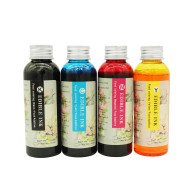
UV printers use specialized UV-curable inks that dry instantly when exposed to ultraviolet light. These inks are designed for adhesion on various materials and provide durability.
5. How does UV printing compare to sublimation or screen printing?
UV printing offers direct digital printing with high resolution and versatility for multiple substrates, unlike sublimation or screen printing, which are more substrate or process-specific. UV is faster for short runs and provides a better finish for rigid surfaces.

Leave a Comment