
Ultimate Guide to dtg printers: How They Transform Apparel Printing

Ultimate Guide to dtg printers: How They Transform Apparel Printing
In recent years, digital apparel printing has become a game-changer in the fashion and custom clothing industries. Among the various printing technologies available, Direct-to-Garment (dtg) printers have gained significant popularity for their ability to produce high-quality, detailed designs directly on fabric. Whether you're an entrepreneur starting a custom t-shirt business or a screen printer looking to diversify your offerings, understanding how dtg printers work can help you make informed decisions.

What is a dtg printer?
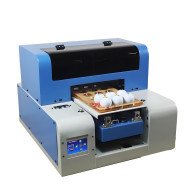
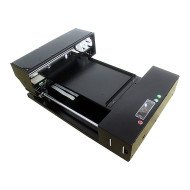
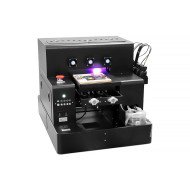
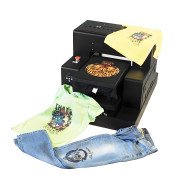
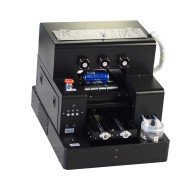
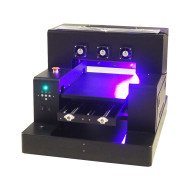
A dtg printer is a specialized printing device that applies ink directly onto textiles, typically garments like t-shirts, hoodies, or tote bags. Unlike traditional screen printing, which requires creating stencils or screens for each color, dtg printers use advanced inkjet technology to print directly onto the fabric surface. This allows for highly detailed, vibrant images and offers greater flexibility for small batch or one-off designs. The process is akin to printing on paper but adapted for fabric, making it ideal for custom orders and designs requiring diverse colors and intricate details.
How does a dtg printer work?
The operation of a dtg printer involves several key steps:
- Design Preparation: The design is created or uploaded via software, ensuring it is ready for printing with the right colors and resolution.
- Garment Preparation: The shirt or textile is pre-treated with a special solution that helps ink adhere properly and ensures vivid colors and durability.
- Printing: The garment is loaded onto the printer bed, and the dtg machine applies water-based inks directly onto the fabric in the desired pattern. Advanced printheads move precisely to produce detailed images.
- Curing: After printing, the garment undergoes a heat process, which sets the ink permanently into the fabric for washability and longevity.
Advantages of dtg printing
Choosing dtg printing comes with several notable benefits:
- High-Resolution, Detailed Prints: dtg printers can produce images with razor-sharp details and smooth color gradients, ideal for complex designs.
- Cost-Effective for Small Batches: Since there are no screens or extensive setup, dtg printing is perfect for small orders or one-off customizations.
- Fast Turnaround: The digital process reduces production time significantly compared to traditional methods.
- Environmentally Friendly: Water-based inks are generally less toxic and produce less waste, making dtg a more sustainable choice.
- Versatility: Capable of printing on various textiles, from cotton to blends, and accommodating a wide range of colors.
However, it is essential to consider that dtg printers may require regular maintenance and proper environmental conditions for optimal performance. Nonetheless, their strengths often outweigh these considerations for many businesses today.
Limitations and considerations
Despite its many advantages, dtg printing does have some limitations:
- Initial Investment: High-quality dtg printers can be costly upfront, which might be a barrier for small or new businesses.
- Production Speed for Large Batches: While quick for small runs, printing very large orders can be slower than traditional screen printing methods.
- Fabric Compatibility: Most effective on 100% cotton or natural fabrics, which might restrict some product choices.
- Color Vibrancy on Dark Fabrics: Printing on dark textiles requires white ink layers, which can add complexity and cost.
- Maintenance: Regular cleaning of print heads and pre-treatment ensures quality but requires diligence and some technical knowledge.
Understanding these factors can help you determine if dtg printing is the right technology for your specific needs. For small businesses or custom print shops, the flexibility and quality often justify the investment.
Choosing the right dtg printer
The market offers a variety of dtg printers, from entry-level models to high-end commercial machines. When selecting a printer, consider:
- Your Budget: Balance the initial investment with expected production volume and quality requirements.
- Print Size and Resolution: Ensure the machine can handle the maximum garment size and offers the necessary resolution.
- Compatibility: Verify the printer's capability with fabrics you intend to use and color options.
- Ease of Use: User-friendly interfaces and support services can save time and reduce errors.
- Brand Reputation and Support: Opt for reliable brands with good customer support and available spare parts.
Popular brands include Epson, Brother, and OmniPrint, each offering various models suited for different business sizes. Conduct research and review customer feedback to find the best fit for your needs.
The future of dtg printing
As technology advances, dtg printers are expected to become even more efficient and versatile. Innovations such as faster print heads, expanded color options, and eco-friendlier inks are on the horizon. Additionally, integrating dtg with other digital technologies like automated pre-treatment, larger formats, and machine learning for quality control could revolutionize apparel customization. For entrepreneurs and established manufacturers alike, staying updated on emerging trends will be key to maintaining a competitive edge in the dynamic world of digital textile printing.
Conclusion
A dtg printer is a powerful tool that can elevate your apparel production process by providing high-quality, detailed, and vibrant prints directly onto garments. Its flexibility makes it ideal for small runs, custom orders, and rapid prototyping. While there are upfront costs and some limitations, the benefits — including environmental friendliness, quick turnaround times, and unmatched design detail — make dtg printing an attractive choice for many businesses today. As the technology continues to evolve, embracing dtg can unlock new creative possibilities and help your brand stand out in a crowded marketplace. Whether you're starting a new venture or upgrading your existing printing method, understanding the ins and outs of dtg printers positions you for success in the rapidly growing digital textile industry.





Leave a Comment