
Ultimate Guide to DTG Printers and T-Shirt Printing Technology
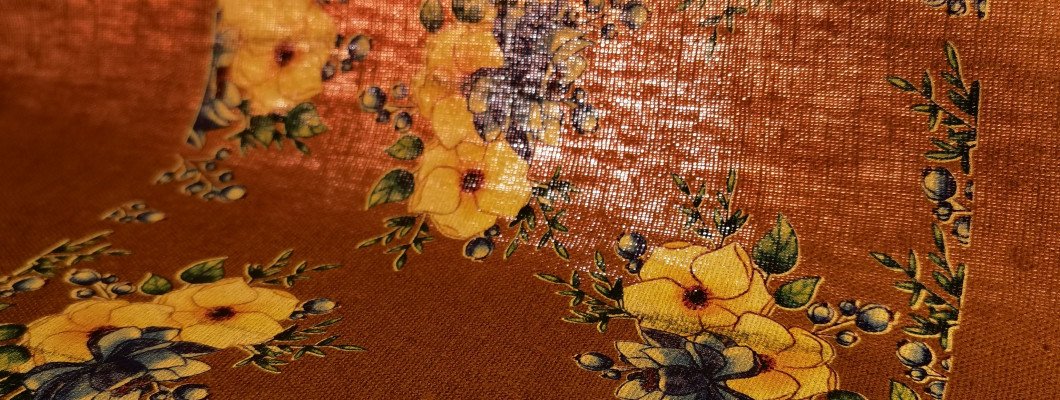
Ultimate Guide to DTG Printers and T-Shirt Printing Technology
In the rapidly evolving world of custom apparel and merchandise, where vibrant designs and quick turnaround times are essential, DTG (Direct-to-Garment) printers and t-shirt printing machines have become game changers. Whether you're a small business owner, a hobbyist, or a large printing shop, understanding the capabilities and advantages of these advanced printing technologies is crucial for staying competitive and delivering top-quality products.
What Is a DTG Printer?
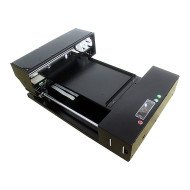
A DTG printer is a specialized machine designed to print directly onto textiles, primarily t-shirts, using high-quality aqueous inkjet technology. Unlike traditional screen printing, DTG offers the ability to create detailed, full-color images with a single print without the need for extensive setup. This makes it ideal for customized, on-demand printing, allowing designers to produce diverse and complex designs efficiently.
Advantages of Using a T-Shirt Printing Machine
Choosing the right T-shirt printing machine can dramatically improve your production quality and speed. Popular options include direct-to-garment printers, heat press systems, and hybrid machines. These machines enable you to produce vibrant, durable prints that withstand washing and daily wear. Modern t-shirt printers also support a variety of colors, multiple print sizes, and versatile textile types, providing limitless design possibilities.
Expanding Your Horizons: Cap and Shoes Printers
Beyond t-shirts, specialized printers like cap printers and shoes printers allow for expanding your product offerings. Cap printers employ similar technology to DTG systems but are designed to print on curved surfaces with precision. Shoes printers, on the other hand, are tailored to apply durable, high-resolution designs onto footwear, opening new avenues in the fashion and sports merchandise sectors. Incorporating these machines into your workflow can significantly boost your business’s versatility and profit margins.
Choosing the Right Equipment for Your Business
When selecting a t-shirt printing machine or cap printer, consider factors such as budget, volume needs, and desired print quality. Entry-level models are suitable for small-scale operations, while high-end units offer faster production speeds and greater color accuracy. Additionally, assess the types of garments and accessories you plan to print on, ensuring the printer supports those materials.
Maintenance and Best Practices
To ensure longevity and optimal performance of your T-shirt printing machine, regular maintenance is vital. This includes cleaning print heads, calibrating colors, and handling ink substitutions properly. Also, keep a consistent workflow and invest in training staff to handle the equipment efficiently. Proper maintenance not only preserves print quality but also reduces downtime, keeping your business running smoothly.
Environmental and Cost Considerations
Modern DTG and specialty printers are designed with eco-friendliness in mind, using water-based inks that are less harmful to the environment. Besides, these printers often have lower setup costs compared to traditional screen printing, especially for short runs. Analyzing your projected production volume and design complexity will help determine the most cost-effective investment for your needs.
Future Trends in Garment Printing
Innovation continues to drive the industry forward. Features like multi-color printing, faster print speeds, and integration with digital design software make modern printers more accessible. Additionally, the rise of print-on-demand services means small businesses can offer personalized products without holding large inventories. Keeping abreast of these trends will help you remain competitive and expand your offerings.
_h2>ConclusionInvesting in the right DTG and specialized printers is essential for producing high-quality, customized apparel that meets modern consumer expectations. From t-shirt printers and cap printers to shoes printers, the technology options are vast and adaptable. By understanding your business needs and adopting suitable equipment, you can unlock new revenue streams, increase efficiency, and elevate your brand in the competitive world of garment printing.














Leave a Comment