
Ultimate Guide to DTG and T-Shirt Printers for Custom Apparel
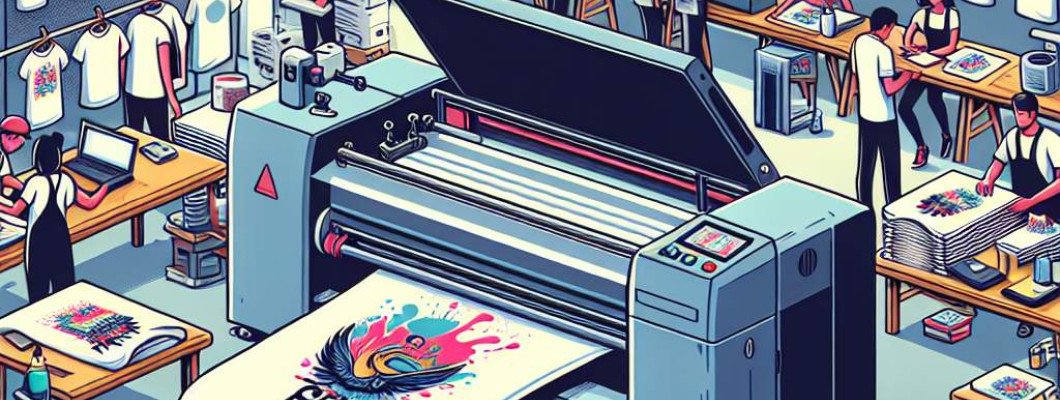
Are you struggling to get your custom apparel business off the ground? Or maybe you're trying to upgrade your existing printing setup but feel overwhelmed by the choices? If so, understanding the difference between a DTG printer and a t-shirt printer can make all the difference. These technologies have transformed how entrepreneurs and hobbyists approach garment printing, offering speed, quality, and flexibility that traditional methods can't match.
Imagine chatting with a seasoned friend who has been in the apparel printing industry for years. They might tell you, "Choosing the right printer isn"t just about spending the most. It"s about matching your goals with the technology that fits your budget and workflow." This simple advice holds true, whether you're looking to design unique t-shirts for a local market or scale up to a full production line.
What Is a DTG Printer and How Does It Differ From a Typical T-Shirt Printer?
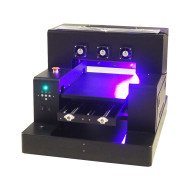
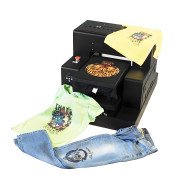
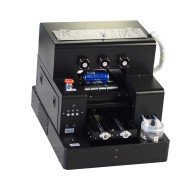
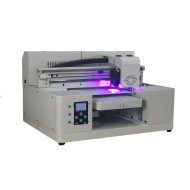
A Direct-to-Garment (DTG) printer is a specialized piece of equipment designed to print directly onto fabric, most often on t-shirts, hoodies, and other apparel. Unlike traditional screen printing, a DTG printer sprays ink directly onto the fabric"s surface, allowing for highly detailed designs with a vibrant color palette. This makes it ideal for short runs, custom orders, or designs with multiple colors and intricate details.
In contrast, the term t-shirt printer can refer to various printing methods—such as heat presses, screen printing setups, sublimation printers, or even vinyl cutters. These methods might suit mass production better but often lack the flexibility and detail offered by a DTG machine. Think of a t-shirt printer as the category that includes multiple tools designed to get your designs on fabric, whether through heat, ink, or other means.
Why Choose a DTG Printer for Your Business?
If you"re unsure whether a DTG printer is right for you, consider these undeniable advantages:
- High-Resolution Output: Perfect for detailed images and multi-color designs that can"t be easily replicated with other methods.
- No Need for Pallets or Screens: Unlike screen printing, DTG doesn"t require creating screens for each design, saving you setup time and costs.
- Fast Turnaround: Ideal for on-demand printing—print a single shirt or small batch quickly without sacrificing quality.
- Cost-Effective for Small Orders: Without minimums, you can produce one-off designs economically.
- Ability to Handle Complex Color Gradients and Photographic Prints: This is especially valuable for artists and brands wanting original artwork on apparel.
What to Consider When Choosing a T-Shirt Printer?
While DTG printers excel in high-quality, detailed prints, many entrepreneurs still rely on other methods for specific needs:
- Production Volume: Are you printing hundreds of shirts weekly? Traditional methods like screen printing might be more cost-effective at large scales.
- Design Complexity: For simple or single-color designs, heat pressing vinyl might be faster and cheaper.
- Budget: An entry-level DTG printer can range from several thousand dollars, so compare initial costs versus ongoing expenses.
- Space and Maintenance: DTG printers require a clean setup and regular maintenance, so assess your workspace.
How to Pick the Best DTG Printer for Your Needs?
Investing in a DTG printer means evaluating key factors:
- Print Quality: Look at sample prints and reviews focused on resolution, color reproduction, and durability.
- Ease of Use: User-friendly interfaces save time and reduce learning curves.
- Maintenance and Support: Ensure the manufacturer offers reliable customer support and readily available parts.
- Cost of Consumables: Regular ink and maintenance costs impact long-term profitability.
- Compatibility: Confirm the printer works with your preferred software and fabrics.
Integrating Your Printing Setup: Combining T-Shirt Printing Methods
Many successful apparel businesses combine different printing methods. For instance, you might use a DTG printer for vibrant, detailed designs and a heat press for applying vinyl or sublimation prints for simpler graphics. This hybrid approach optimizes production, reduces costs, and expands your product offerings.
In some cases, starting with a versatile DTG printer and adding other tools as your business scales is the smartest move. Remember, choosing the right equipment isn"t just about current needs but also future growth potential.
Real User FAQs About DTG and T-Shirt Printing
1. Is a DTG printer suitable for mass production?
DTG printers excel at small to medium runs due to their quick setup and exceptional detail, but they are less efficient for large batch production compared to screen printing.
2. Can I print on all types of fabrics with a DTG printer?
DTG works best on 100% cotton or cotton-blend fabrics. It"s not suitable for polyester or nylon without treatment, which may affect print quality.
3. How durable are DTG prints?
Modern DTG inks are quite durable and can withstand regular washing if appropriately cured and maintained. Follow your printer's maintenance guide to extend print longevity.
4. What is the initial investment for a good DTG printer?
Entry-level models typically cost between $10,000 and $20,000, depending on features and brand. Higher-end industrial models can be significantly more expensive.
5. How much training do I need to operate a DTG printer?
Many manufacturers offer training and support. Basic operation can be learned in a few days, but mastering maintenance and troubleshooting may take longer.



Leave a Comment