T-shirt Printers Meet Technical Challenges in an Industrial Setting
The Industrial Reality
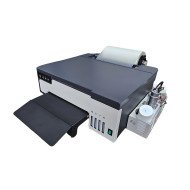
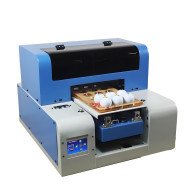
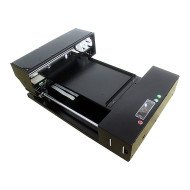
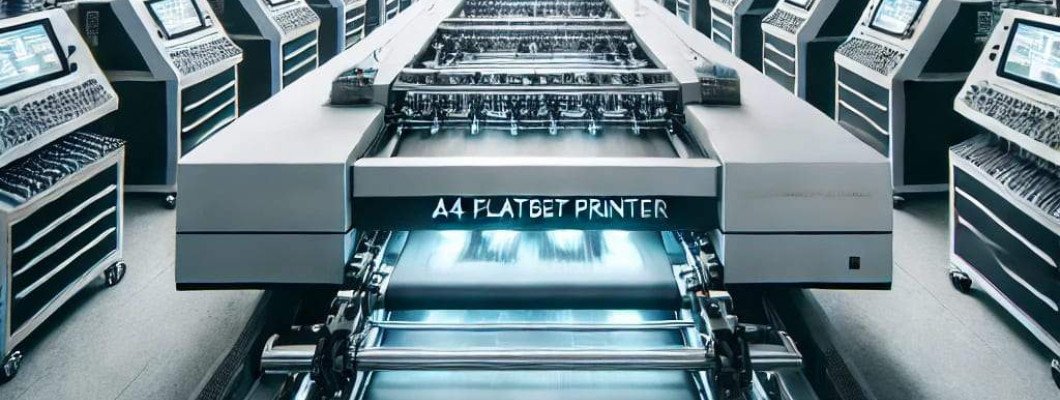
In the competitive world of printing, the introduction of A4 flatbed T-shirt printers has brought both opportunities and challenges. While these printers promise small-scale customization with ease, they also introduce significant operational complexities in industrial environments. Imagine a bustling factory floor where these printers are expected to churn out thousands of T-shirts daily, maintaining color accuracy and throughput. The promise seems enticing, yet the harsh realities of industrial settings reveal hidden operational bottlenecks that must be addressed to maximize efficiency.
Understanding Hidden Operational Bottlenecks
Subsection: Printer Throughput
Printer throughput is a critical parameter. In an industrial scenario, a printer must maintain a balance between speed and quality. The A4 flatbed printer averages a throughput of 30 shirts per hour under ideal conditions. This rate can fall dramatically when faced with inconsistent power supply or mechanical wear.
Subsection: Ink Drying Times
Inks used in flatbed printers need adequate time to dry. Industrial-grade dryers can optimize this, but require substantial energy (approx. 500W per dryer). The risk of bottleneck lies in synchronization — printers and dryers must operate in perfect tandem to avoid delays.
Subsection: Mechanical Downtime
Mechanical failures are inevitable in high-demand environments. A flatbed printer’s operational efficiency can be compromised by minor components like printheads and belts. Monitoring their wear (measured in microns) and timely maintenance is crucial to keep operations smooth.
Subsection: Software Limitations
The software driving these printers often lacks the scalability needed for industrial operations. Complex design uploads or batch processing can overwhelm systems, causing stalls and reducing overall efficiency.
Subsection: Energy Consumption
Running multiple units significantly impacts energy consumption. With each printer consuming around 150W, scaling production could lead to energy costs overshadowing savings from reduced labor.
Scenario Analysis
Three distinct business use-cases illustrate the practical impact of these technical aspects on output.
Case 1: Small Boutique Production
A small apparel business uses an A4 flatbed for bespoke designs. Here, precision is valued over speed. The business manages delays due to ink drying by using energy-efficient dryers, optimizing their process despite slower throughput.
Case 2: Large-Scale Industrial Operation
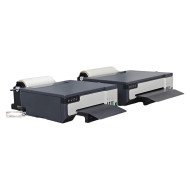
In a factory setting, multiple printers operate simultaneously. Mechanical downtime becomes a bottleneck, affecting overall output. Regular maintenance and component tracking are implemented, minimizing significant disruptions.
Case 3: Custom Design Hub
A design hub focuses on unique, limited-run items. Software inflexibility limits their ability to process large batch files rapidly. Investing in software upgrades becomes necessary to maintain production schedules.
Expert FAQ
What is the ideal maintenance schedule for printheads?
Regular inspections every 500 hours of operation are recommended, with replacements every 2,000 to 3,000 hours, based on wear.
How can energy costs be reduced while using these printers?
Energy-efficient dryers and automated power management systems can help in reducing costs substantially. Consider a setup with smart power strips to cut energy use when printers are idle.
Are there software solutions to enhance batch processing?
Advanced RIP software options offer more robust file handling and faster processing times, especially useful in high-volume settings.
How can downtime due to mechanical failure be preemptively addressed?
Routine maintenance checks and investing in spare critical parts can mitigate downtime. Implementing predictive maintenance tools is also beneficial.
Can ink types affect throughput significantly?
Yes, inks with faster drying times can enhance throughput, though they might be more expensive. Balancing ink costs and drying efficiency is key.
Strategic Verdict
The A4 flatbed T-shirt printer, while promising in concept, requires thoughtful integration into industrial setups. Addressing hidden bottlenecks is crucial. Future advancements in hardware durability and software flexibility will decide their viability in large-scale operations.