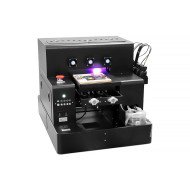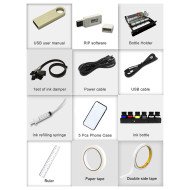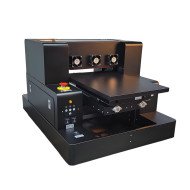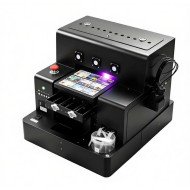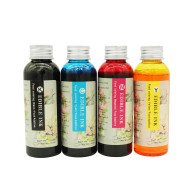
Transforming Desserts: The Speed vs. Quality Dilemma of Edible Food Ink

Imagine a bustling bakery filled with the tantalizing aroma of freshly baked goods, the clinking of mixing bowls, and the constant hum of confectionery creativity. Amidst this sweet chaos, a new addition promises to revolutionize the way cakes and pastries are crafted—the edible food ink.
The allure of edible ink lies in its ability to transform ordinary desserts into edible works of art without the painstaking labor of traditional decoration techniques. But as the ink flows onto the surface of icing, a question arises: is speed worth sacrificing quality? As we dive into the world of edible food ink, we explore whether this innovative tool truly enhances the art of dessert making or presents hidden trade-offs that could compromise the very essence of culinary excellence.
Why Printing Speed Can Be a Recipe for Disaster
In the realm of small bakeries and confectionery shops, speed is often seen as a lifeline, especially during peak seasons when demand skyrockets. Edible food ink promises rapid, precise designs, allowing bakers to churn out customized creations at an unprecedented pace. However, the rapid output can sometimes come at the expense of quality. Ink consistency, color vibrancy, and design precision are factors that can vary with speed, leading to potential imperfections that might not meet professional standards.
Key Insight: While faster printing speeds can boost production, they can also lead to inconsistencies in design quality, impacting customer satisfaction.
Hidden Costs of Maintenance and Ink Quality
At first glance, edible food ink might seem like a cost-effective option. But beneath its shiny, art-enhancing allure lies a series of maintenance challenges. Regular cleaning and replacement of ink cartridges are crucial to prevent clogs and ensure the longevity of the printer, leading to additional costs over time. Moreover, the ink itself varies widely in quality, impacting vibrancy and adherence to sugar-based substrates, which can prompt frequent purchases of premium cartridges.
Key Insight: Hidden maintenance costs, including the need for constant ink replacement, can drain resources and complicate budgeting for small bakeries.
The Balance Between Artistry and Automation
The charm of handcrafted desserts lies in their uniqueness, a testament to the artisan's skill and creativity. Edible food ink introduces a paradox: automation versus artistry. While it streamlines processes, it may dilute the 'personal touch' that distinguishes bespoke confectionery from mass-produced goods. Finding a balance between artistic expression and automated precision is essential for maintaining the integrity of artistry in baked goods.
Key Insight: Automation may lead to a loss of the personal, handcrafted charm in desserts, affecting brand identity and customer loyalty.
Environmental Compliance in Edible Ink Usage
In today's environmentally conscious age, edible food ink usage presents unique challenges. As bakeries strive to reduce their carbon footprint, the sourcing and disposal of ink cartridges require careful consideration. Ensuring compliance with environmental standards is essential not only for ethical business practices but also for appealing to eco-conscious consumers.
Key Insight: Compliance with environmental regulations can influence consumer perception and brand reputation, emphasizing the importance of responsible ink cartridge management.
User Error Horror Stories: When Good Desserts Go Bad
Despite its innovative potential, edible food ink isn't immune to user errors. Whether it's incorrect printer settings, unsuitable substrates, or mishandling during application, user mistakes can lead to disastrous outcomes, tarnishing the meticulous effort behind dessert creation. Proper training and understanding of printer functionalities are paramount to avoiding such horror stories.
Key Insight: Bakeries must invest in thorough training and equipment understanding to minimize errors and safeguard product quality.
What If Scenarios: Mastering the Art or Missing the Mark
Scenario 1: The Artisan Innovator
As an artisan bakery owner, integrating edible ink allows for intricate designs on unconventional substrates, transforming your creations into visual masterpieces. The ink's precision caters to unique customer preferences, enhancing your brand's artistic credibility.
Scenario 2: The Scaling Confectionery
A growing confectionery shop struggles with throughput demands. Edible ink seems like a dream come true, promising rapid production. However, unexpected maintenance costs erode profits, forcing a reevaluation of resource allocation.
Scenario 3: The Environmental Champion
Eco-conscious, your bakery emphasizes sustainable products. Navigating edible ink's environmental impacts becomes crucial. By adopting eco-friendly cartridges and efficient disposal, you uphold your green values while boosting consumer trust.
Expert Q&A: Addressing Crucial Concerns
Q1: Can edible ink be used on all dessert types?
Not all substrates support edible ink equally; sugar-based icings are optimal, but others may require adjustments in ink consistency and adhesion.
Q2: How can bakeries ensure the quality of printed designs?
Regular maintenance and premium ink usage are key, alongside calibrating printer settings for precise output.
Q3: What is the environmental impact of edible ink cartridges?
Most cartridges pose disposable challenges; opting for recyclable options mitigates environmental concerns.
Q4: How can bakeries reduce user errors with edible ink?
Comprehensive staff training on printer technology and substrate compatibility is essential.
Q5: Is edible ink a worthwhile investment for small bakeries?
When balanced with quality assurance and maintenance, edible ink can enhance productivity without sacrificing artisanal integrity.
The editing of desserts with edible food ink symbolizes a fascinating crossroads in confectionery craft. While it offers speed and innovation, careful consideration must be given to quality, maintenance, environmental impact, and user training. As bakers explore its potential, they must remember that tools are only as good as their execution.
Embrace the future of dessert artistry by exploring edible ink options. For more information on edible food ink products, visit GNFEI.com.