Tracking Invisible Costs in Standard Workflows of 40x60CM Heat Press Machines
The Industrial Reality of Integrating a 40x60CM Heat Press Machine in Production
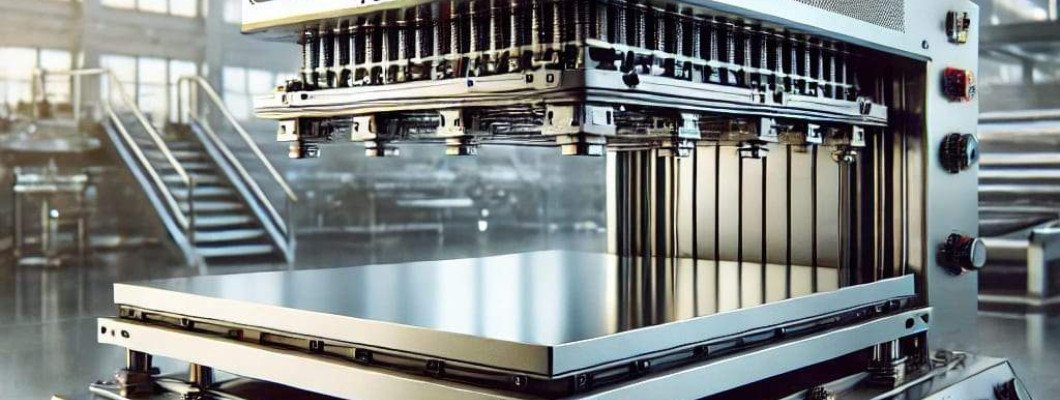
In mid-sized manufacturing setups focusing on textile printing or customized promotional goods, the introduction of a 40x60CM heat press machine represents a critical investment. The apparent upfront cost is often just the tip of the iceberg; hidden operational expenses can dramatically affect the total cost of ownership. For instance, the power consumption required to maintain consistent platen temperature—frequently set around 180°C to 200°C—can lead to substantial electricity bills. This is especially significant in regions with high energy tariffs or unstable supply.
Furthermore, maintenance cycles, replacement of heating elements, and platen surface wear directly influence downtime and throughput. An unnoticed factor is the variability in heat distribution, which impacts print quality and results in rework costs. The machine's thermal stability fluctuates due to ambient temperature changes and platen contact pressure inconsistencies, which complicate repeatability in industrial workflows.
Asset depreciation also follows a less linear path than simplified models suggest. The 40x60CM platen size, ideal for medium-format output, introduces challenges as operators push for higher throughput, potentially accelerating mechanical wear. The combination of electrical, mechanical, and human factors creates a web of hidden costs that can go unnoticed until cumulative impacts severely restrict operational efficiency and cost-effectiveness.
Technical Deep-Dive Into Operational Cost Drivers of Heat Press Machines
Heat Element Efficiency and Thermal Conductivity
The heating element's material composition affects energy efficiency. Resistance wire types such as Kanthal or Nichrome exhibit different electrical resistivities (approximately 1.45 Ω·mm2/m for Kanthal). The energy required to heat a 40x60cm platen to 200°C depends on thermal losses. Heat transfer through the steel platen (thermal conductivity ~50 W/m.K) can be modeled by Fourier's law. Assuming a thickness of 10 mm, the heat flux Q can be approximated as:
Q = k A (Tplaten - Tambient) / d
Where k is thermal conductivity, A is platen area (0.24 m2), d is thickness. For a 180°C platen in a 25°C environment, the heat loss can reach 430 W, indicating continuous energy input requirements.
Wear Components and Lifecycle Maintenance Costs
Common wear parts include silicone rubber pads, Teflon sheets, and heating elements. Silicone pads degrade from compression set and heat cycling—typically lasting around 6-12 months under standard daily cycles of 100-150 presses. Replacement costs vary between $20-$50 per pad, and downtime averages 1-2 hours per maintenance event, translating to throughput losses.
Pressure Application and Mechanism Fatigue
The lever or pneumatic pressure system requires calibration to apply uniform force across the platen. Uneven pressure leads to patchy heat transfer and inconsistent image quality, requiring multiple passes and increasing operational time and labor costs. Fatigue life of mechanical linkages is generally estimated using S-N curves, with failure probability increasing after approximately 10^5 cycles under nominal stress.
Comparative Table of Two Workflow Approaches
| Specification | Continuous Operation Workflow | Batch Operation Workflow |
|---|---|---|
| Daily Press Cycles | 150 | 75 |
| Energy Consumption (kWh/day) | 8.5 | 4.2 |
| Maintenance Frequency (months) | 4 | 8 |
| Downtime per Maintenance (hours) | 2 | 1 |
| Annual Replacement Parts Cost | $1,200 | $600 |
Platen Temperature Control Precision and Impact on Quality
Temperature stability within ±0.5°C is crucial. PID controllers integrated into modern heat press machines manage thermal cycling. However, sensor placement and response times introduce latency, leading to temperature overshoot or undershoot. Such deviations correlate exponentially with print quality degradation due to uneven sublimation or curing phenomena.
Scenario Analysis of the 40x60CM Heat Press Machine in Business Contexts
Small-Scale Custom Apparel Production
A boutique producing 50 garments per day prioritizes precision and minimal downtime. The hidden operational bottlenecks like platen wear or uneven heat distribution become costly as reprints erode profit margins. Maintenance every 8 months with moderate daily cycles suits this use-case.
Mid-Sized Promotional Printing Firm
Operating two shifts with approx. 150 presses per day demands rigorous maintenance scheduling and energy management. Failure to anticipate heating element degradation can lead to unexpected downtime during peak periods. Energy costs and maintenance replace a significant percentage of operational expenses.
Automated Workflow in OEM Secondary Production
Integration into a semi-automated line requires compatibility with industrial automation control units and consistent thermal profiles for process repeatability. The 40x60cm platen size limits throughput per cycle but balances with precision. Hidden operational costs may emerge from integration adjustments and additional sensor calibration needs.
Expert FAQ About Invisible Costs and Workflow Impact
What are the primary energy loss pathways in a 40x60CM heat press machine?
Energy is lost primarily through platen conduction to the frame, radiant heat emission from the platen surface, and heat transfer to the upper platens. Insufficient insulation exacerbates losses.
How does platen surface wear affect print quality over time?
Surface abrasions lead to uneven contact pressure and spotty heat transfer, causing color inconsistencies and substrate damage, which raises rework rates.
Can predictive maintenance reduce downtime effectively on these machines?
Yes. Monitoring electrical resistance of heating elements and platen temperature stability allows scheduling replacements just before failure, minimizing unscheduled downtime.
What role does ambient temperature play in operational costs?
Lower ambient temperatures increase heat loss requiring more energy input. Facilities without climate control face higher electricity consumption and potential quality fluctuations.
Is there a trade-off between platen size and throughput in industrial settings?
Absolutely. Larger platens enable bigger batch sizes but require more energy and exert more mechanical stress. The 40x60cm size balances manageable throughput with operational cost control.
Strategic Verdict on the Trajectory of 40x60CM Heat Press Machines
The 40x60CM heat press machine remains a mainstay in mid-tier industrial workflows due to its adaptability and balance of throughput with precision. However, its operational cost structure demands detailed attention to hidden energy consumption, maintenance schedules, and thermal management. Emerging technologies in advanced insulation materials, predictive maintenance sensors, and smarter PID controllers promise incremental gains in reducing invisible costs. Future iterations will likely integrate IoT connectivity for real-time usage analytics, but the fundamental challenges of balancing thermal efficiency and mechanical durability will persist. Strategic operational planning focusing on these cost drivers is essential for sustaining asset longevity and financial performance in diverse production environments.