
Touching Art: How to Use UV
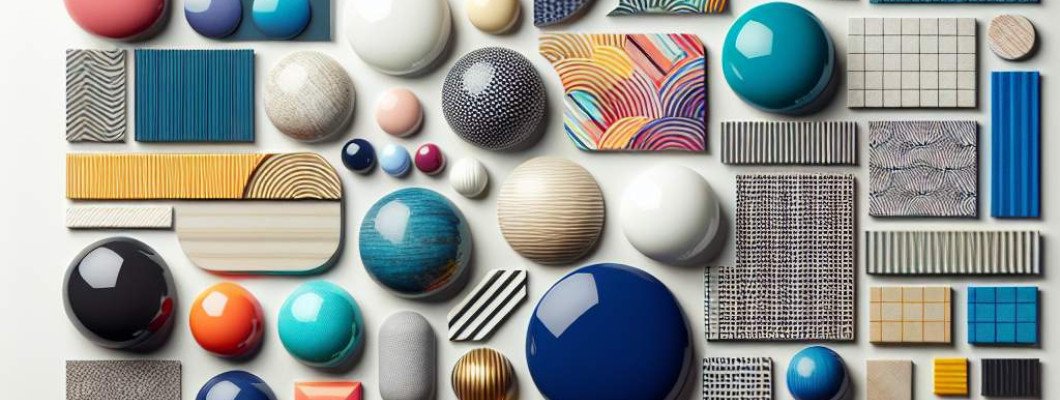
Are you struggling to bring your artwork to life with vibrant, eye-catching effects? Want to add a layer of uniqueness and innovation to your projects? If so, exploring **UV art** and how to effectively use UV technology in your creative process might be the game-changer you've been searching for. UV printing and art techniques have revolutionized the way artists and designers add personalization, texture, and luminous effects to their work. Whether you're a seasoned professional or just entering the world of modern art, understanding how to use UV can open up endless possibilities for your projects.
UV technology, or ultraviolet light curing, involves using ultraviolet light to quickly dry or cure inks, coatings, and adhesives. This method allows artists to create highly detailed, durable, and luminous art pieces. It's not just about printing — UV techniques embrace sculpture, mixed media, and decorative art forms, making them incredibly versatile. To truly harness UV art, you'll need to understand its applications, tools, and best practices.
Understanding UV Art: What Is It and Why Use It?
UV art leverages ultraviolet light to produce effects that are not possible with traditional paints or inks. When UV-sensitive inks or coatings are exposed to UV light, they instantly cure — transforming from liquid into solid in seconds. This rapid curing time translates to sharper detail, improved durability, and vibrant color retention.
But beyond basic printing, UV art includes techniques like glow-in-the-dark effects, neon finishes, and textured surfaces. Its high precision allows artists to integrate complex designs, metallic finishes, or even three-dimensional textures seamlessly on various surfaces.
Key Benefits of Using UV in Your Art Projects
- Fast Processing: UV curing accelerates production time, enabling quick turnaround on artworks and personalized batches.
- Enhanced Durability: UV coatings and inks resist scratches, water, and UV degradation, making artworks suitable for both indoor and outdoor display.
- Vivid Colors & Effects: UV inks offer intense, vibrant hues, as well as specialty effects like gloss, matte, or textured finishes.
- Versatility: Suitable for a broad range of materials such as wood, glass, ceramic, metal, plastic, and more.
- Eco-Friendly: Many UV inks are low in volatile organic compounds (VOCs), making them better for the environment.
How to Use UV Effectively in Your Art
Transitioning into UV art can seem complex at first, but with the right approach, you can create stunning, professional-quality pieces. Here's what you need to know to get started:
Choose the Right Equipment
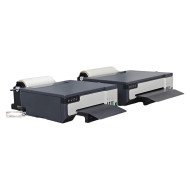
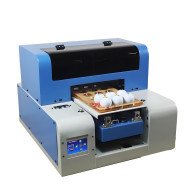
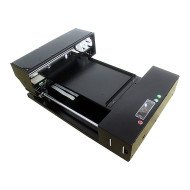
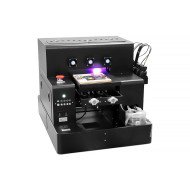
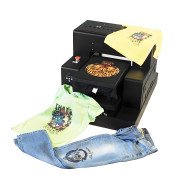
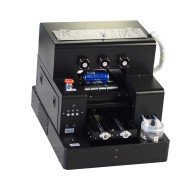
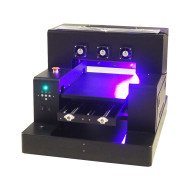
- UV Printer: Invest in a high-quality UV printer, like the ones available at GNFEI UV Printer. They offer precision, speed, and versatility needed for various creative applications.
- UV Curing Lamp: Essential for curing inks after printing, ensuring rapid setting and finishing of your pieces.
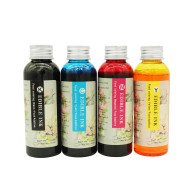
- UV-Responsive Inks and Coatings: Use only inks compatible with your printer for optimal results and durability.
Prepare Your Design
- Design Software: Use professional graphic design tools like Adobe Illustrator or Photoshop. Be mindful of color profiles and resolution for high-quality output.
- Layers and Effects: Incorporate glow effects, metallics, or textured overlays if desired. This enhances the visual impact of your UV art.
- Test Prints: Always run small test prints to check color accuracy and curing quality before producing larger runs.
Printing Process
- Material Preparation: Clean and dry your surface thoroughly. UV printing adheres best when substrates are free of dust and oils.
- Printing Settings: Adjust settings based on material thickness, ink type, and desired finish. Consult your UV printer manual for precise parameters.
- Print & Cure: Print your design, then immediately expose it to UV light to cure. Proper curing prevents smudging and enhances durability.
Finishing Touches and Care
- Additional Coatings: Apply clear UV coatings to add gloss, matte, or textured effects for extra dimension.
- Cleaning: Maintain your equipment regularly to prevent ink clogging, and handle cured artwork with care to sustain finish quality.
- Display and Preservation: UV art benefits from proper lighting conditions and stable environments to retain vibrancy over time.
By integrating these practical steps, you can elevate your art projects with professional-grade UV effects, creating works that stand out and endure. UV art isn't just about printing—it's about pushing creative boundaries and making your ideas shine brightly. Practice consistently, experiment with different materials and effects, and stay updated on the latest UV technology innovations.
Inspiration and Real-Life Examples
Many artists and designers are already using UV techniques to craft compelling pieces. For example, a boutique signage artist might combine UV printing on metallic surfaces with glow-in-the-dark inks, resulting in eye-catching displays that change appearance under different lighting conditions. Or consider a jewelry designer who uses UV coating to embed luminous effects on pendants and charms, captivating their clients during night events.
One interior designer chatted with a friend about a custom wall installation that utilized UV printing on glass panels, creating a luminous mosaic that transforms with lighting angles. These innovative uses showcase the potential of UV art to transform ordinary surfaces into extraordinary visual statements.
Compare UV Printing with Traditional Techniques
- Traditional Printing: Usually slower, less durable, and with limited effects—mainly relies on inks and paints that may fade or scratch over time.
- UV Printing: Fast, versatile, and capable of creating complex textures, metallic finishes, and luminous effects that stand the test of time.
Embracing UV technology allows creative professionals to break free from the constraints of traditional materials, opening new avenues for artistic expression and commercial design. The investment in good UV equipment pays off through high-quality, innovative artworks that attract attention and clients.
Frequently Asked Questions (FAQs)
What materials can I use with UV printing?
UV printing is compatible with a wide range of materials, including wood, glass, metal, acrylic, ceramic, plastic, and fabric. Always check your UV printer specifications for compatible substrates.
Is UV printing safe and environmentally friendly?
Many UV inks are low in VOCs and emit minimal fumes, making them safer for operators and environmentally friendly. Proper handling and disposal are still necessary, as with all industrial inks.
How durable are UV printed artworks?
UV-cured prints are highly resistant to scratches, water, UV damage, and general wear, making them suitable for both indoor and outdoor use.
Can UV techniques be combined with other artistic methods?
Yes. Artists often blend UV printing with hand painting, embossing, or other mixed media approaches to add depth and texture to their work.
What maintenance does a UV printer require?
Regular cleaning of print heads, curing lamps, and surfaces is vital. Follow your manufacturer's guidelines to keep the equipment in top condition and ensure consistent quality.




Leave a Comment