Top 5 Maintenance Secrets to Extend the Lifespan of Your UV Printhead

Proactive Cleaning Protocols: Preventing Clogs and Ensuring Ink Flow
Failures in UV printheads often originate from dried or partially cured ink obstructing nozzles. Many operators underestimate the necessity of strict cleaning regimens. Unlike solvent or dye-based printheads, UV ink characteristics — especially viscosity variations — demand adaptive approaches. Ignoring these nuances accelerates nozzle wear, decreases print quality, and hikes maintenance costs.
Optimal Cleaning Tools and Fluids for UV Printheads
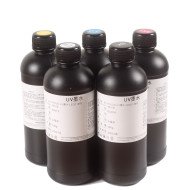
UV inks contain oligomers and photoinitiators that cure instantly under UV light but become sticky residue within minutes if left unused. Use manufacturer-recommended cleaning fluids containing surfactants and solvents specifically formulated to break down cured polymers without damaging the piezoelectric elements of the printhead. Avoid generic alcohol-based cleaners; these can corrode or compromise sealing elements.
For example, GNFEI supplies and vets cleaning kits tailored for major UV printhead brands like Ricoh Gen5 and Kyocera KJ4A to minimize risks of damaging sensitive parts.
Daily, Weekly, and Monthly Cleaning Cycles in Practice
Implement a tiered cleaning schedule:
- Daily: Perform nozzle checks and light flushing before and after printing sessions to prevent sediment buildup.
- Weekly: Conduct deeper soak cleans using approved fluids, removing semi-dried ink deposits that daily flushing may miss.
- Monthly: Thoroughly inspect for white ink or resin deposits—especially prevalent with UV-curable white or metallic inks—and employ ultrasonic cleaning devices for stubborn clogs in industrial settings.
Step-by-step example: For a Ricoh Gen5 UV printhead, start by system purging, detach the printhead if necessary, immerse in cleaning solution for 15 minutes, then flush with distilled fluid before reassembly. This regimented approach can extend printhead life by 30-40% over baseline maintenance.
Comprehensive White Ink Management: Handling Pigment Sedimentation
White UV ink is notorious for pigment separation and sedimentation, causing nozzle blockages and inconsistent opacity. This phenomenon arises because titanium dioxide particles settle quickly under gravity and viscous polymer matrices.
Physical Signs and Consequences of Pigment Sedimentation
Typical symptoms include:
- Intermittent white spotty prints or fading
- Increased nozzle firing failure
- Printhead errors flagged by software diagnostic tools
If left untreated, the resultant forced overdrive on printheads to purge clogs increases wear and energy consumption, impacting your operational margins.
Manufacturer-Recommended Agitation and Circulation Techniques
GNFEI emphasizes continuous agitation protocols during both idle and printing phases. Employ magnetic stirrers or built-in reservoir agitators with low-frequency vibrations to keep pigment particles evenly suspended without creating foam or air bubbles.
Regularly cycling the ink through the system every 30-60 minutes during idle times prevents sediment build-up. Manual shaking of cartridges before installation helps but is insufficient alone in industrial applications.
Environmental Controls: Balancing Temperature and Humidity for Printhead Longevity
UV printheads are sensitive to ambient conditions. Ink viscosity, curing kinetics, and mechanical tolerances interact with environmental temperature and humidity. Deviations can accelerate component degradation or lead to premature print failures.
Temperature Ranges and Their Impact on UV Ink Properties
Optimal operating temperature usually ranges between 20°C to 25°C. Below this, ink thickens, forcing higher nozzle pressure and causing uneven jetting. Above this, inks may pre-cure or volatility can cause inconsistent curing times, forming clogs inside nozzles.
Real-world data collected during GNFEI installations of large UV presses shows a 15% longevity decrease when printheads operate outside this range consistently.
Humidity’s Role in Printhead Material Stability
Humidities between 40% and 60% are ideal. Too dry environments promote static build-up and accelerated evaporation of organic solvents in the ink, leading to partial curing inside the nozzle plate. Conversely, excessive humidity risks condensation on electronic components, introducing corrosion risks.
Best practice includes climate-controlled print rooms or sealed printer enclosures with desiccant packs and inline hygrometers streaming real-time data to operators.
Precision Troubleshooting: Diagnosing and Repairing Printhead Anomalies
Not every printhead issue requires immediate replacement. Skilled diagnosis can avoid costly downtime and extend functional service life by months or years. The key is understanding symptom patterns and testing systematically.
Stepwise Troubleshooting Workflow
- Nozzle Check Pattern Fails: Isolate blocked nozzles using the printer’s diagnostic utility. Perform targeted cleaning cycles. Repeat test to confirm improvement.
- Irregular Jetting or Banding: Verify ink viscosity with a viscometer. Cross-check ambient parameters. Swap ink batches to rule out material contamination.
- Electrical Fault Codes: Inspect for moisture ingress or wiring flaws. Use a multimeter to test resistance on printhead connectors. Validate firmware versions and network communications.
GNFEI technicians advocate a tiered response: conservative remedial maintenance first, partial disassembly and ultrasonic cleaning second, then printhead replacement if all else fails—maximizing ROI while minimizing stalled production.
Economic Impacts of Printhead Downtime and Replacement
Consider a typical UV printhead costing around $2000. Average lifespan without maintenance is roughly 6,000 operational hours. Maintenance steps described can stretch this to 9,000 hours, saving 33% in replacement costs.
In terms of production, each 15-minute downtime may halt an industrial printer yielding $150 in output. Reducing maintenance-induced downtime by just 10 hours annually equates to $6000 operational gain, which more than offsets labor and cleaning supply expenses.
Material-Specific Cure and Adhesion Considerations for Printhead Performance
Correct curing of UV inks depends not only on lamp intensity and ink chemistry but also substrate properties. When printheads deliver ink that partially cures inside nozzles, adhesion imperfections and more frequent head wiping cycles become inevitable.
Substrate Surface Energy and Its Effect on Ink Wetting
Materials like glass and metals have high surface energy, promoting excellent ink spread but requiring precise curing timing to avoid pooling and antiadhesive effects.
Compared to pure cotton or cotton blends used in DTG applications, UV inks must adapt their curing kinetics, necessitating adjustable printhead parameters like temperature and waveform firing precision. GNFEI offers consultative services helping clients align their material portfolios with optimal printhead setups to minimize waste and hardware strain.
UV Cure Times and Print Speed Trade-offs
Faster print speeds generate lower cure times per unit area, risking partial curing inside the printhead channel. Testing shows that reducing lamp intensity or repositioning curing lamps can prevent ink trips while maintaining throughput.
Precise calibration balances production velocity and component endurance—an essential dial for industrial-scale operations competing on turnaround time without compromising equipment longevity.
Conclusion: Establishing A Maintenance Culture for Printhead Sustainability
Extending the service life of UV printheads exceeds mere cleaning or troubleshooting—it demands embedding meticulous best practices into everyday operations. Equip your team with real-time diagnostic tools, adopt GNFEI-certified consumables, and maintain environmental controls to safeguard printhead integrity long-term.
Industrial printing is an ecosystem where subtle improvements in maintenance cut costs and boost uptime exponentially. Continual learning from field data ensures evolving procedures keep step with ink innovation and market demands.
For those poised to deepen engagement with UV technology, substantive investment in maintenance mastery transforms printheads from finite assets into durable components underpinning business resilience.