The Transformational Impact of DTG Printing on Small Businesses
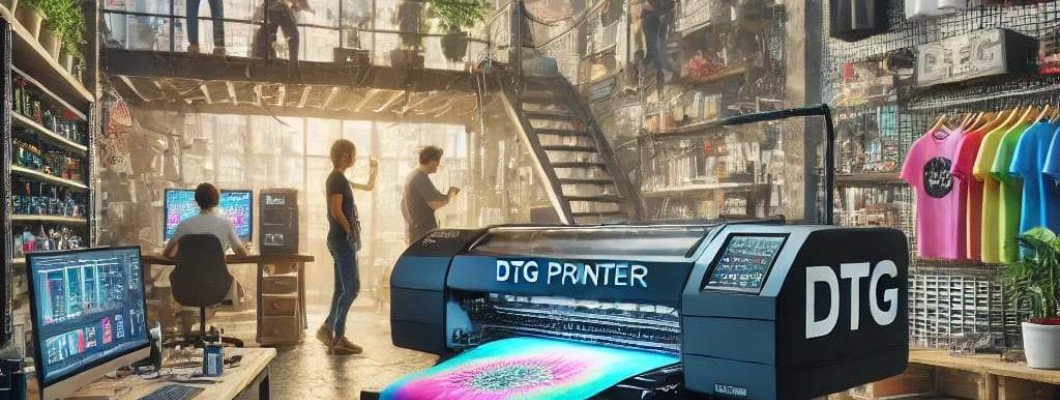
Imagine a bustling local store where customized apparel flies off the shelves, each piece a unique statement crafted with a customer’s personal touch. At the heart of this thriving enterprise is Direct-to-Garment (DTG) printing—a technology transforming the landscape for small businesses across the globe.
Understanding Operational Costs and ROI
As small businesses explore DTG printing, understanding the cost structure becomes crucial. The upfront investment includes the printer, maintenance, and consumables like ink and pre-treatment solutions. While these initial expenses can seem daunting, the return on investment (ROI) can be substantial. Compared to traditional screen printing, DTG offers flexibility in smaller print runs without the need for extensive setup, allowing businesses to respond swiftly to market demands.
To maximize ROI, businesses must consider the hidden costs of operation. Maintenance and regular cleaning are pivotal for ensuring consistent print quality and preventing costly breakdowns. Moreover, the power consumption of DTG machines, while relatively lower, should be factored into operational expenses. Implementing energy-efficient practices can further enhance cost-effectiveness.
Environmental Impacts of DTG Printing
With growing consumer awareness, the environmental impact of business operations is under scrutiny. DTG printing emerges as a more eco-friendly option compared to traditional methods. It uses water-based inks and minimizes waste by only using the exact amount of ink necessary for production. Additionally, the absence of screens reduces toxic chemical discharge into the environment. Small businesses can leverage these strengths to align with sustainable practices, appealing to eco-conscious consumers.
Scaling Hurdles for Small Businesses
Scaling a DTG operation poses unique challenges. As demand grows, businesses must manage increased production without compromising quality. Investing in automation for pre-treatment and drying processes can streamline operations. Similarly, software that integrates orders from multiple sales channels will enhance workflow efficiency. However, scaling requires strategic funding and space management, particularly for small establishments with limited real estate.
Transformative Impacts on Workforce Dynamics
The adoption of DTG printing necessitates a shift in workforce skills. Employees traditionally versed in screen printing techniques may need training in digital design and machine operation. This transformation offers opportunities for upskilling and career growth, fostering a more technologically adept workforce. Small businesses should invest in comprehensive training programs to empower employees and boost productivity.
Capturing Market Opportunities
In an intensely competitive market, differentiation is key. DTG printing allows for niche market penetration through personalized products. Businesses can capitalize on trends such as limited edition releases or collaborations with local artists. The ability to quickly adapt designs and offerings provides a competitive edge, appealing to a diverse customer base. Additionally, with faster turnaround times, small businesses can enhance customer satisfaction and build brand loyalty.
Case Study 1: The Vintage Boutique
Located in a bustling neighborhood, The Vintage Boutique embraced DTG printing to revive its sagging sales. By offering custom vintage-inspired prints, they attracted a new demographic eager for unique apparel. The investment paid off within a year, with profits rising by 30% due to the low-cost, high-margin nature of bespoke items.
Case Study 2: EcoGarb
EcoGarb, a startup focused on sustainable fashion, utilized DTG for its organic clothing line. The business highlighted its use of eco-friendly inks and materials, appealing to environmentally conscious consumers. Within two years, EcoGarb expanded its product range and saw a 50% increase in customer base, largely driven by its green credentials.
Case Study 3: ArtWear Creations
ArtWear Creations found its niche by collaborating with local artists. Each piece, printed on demand, showcased original artwork, transforming garments into wearable art. The DTG system enabled rapid prototyping and minimal inventory, allowing ArtWear to offer a broader range of designs, resulting in significant brand recognition and customer loyalty.
Technical FAQ
- How does DTG differ from classic screen printing? DTG prints directly onto fabric using inkjet technology, ideal for detailed designs and low-volume production without extensive setup.
- What maintenance does a DTG printer require? Regular head cleaning, ink checks, and software updates ensure quality and prevent downtime.
- Can DTG prints withstand regular washing? Yes, with proper pre-treatment and post-care, DTG prints can be as durable as other printing methods.
- Is DTG suitable for all fabric types? It is best for cotton and cotton blends, although advancements are expanding its applicability.
- What are the typical power requirements? DTG printers are energy-efficient, usually requiring a standard electrical outlet without special facilities.
Strategic Summary
DTG printing offers a transformative opportunity for small businesses, combining cost-effectiveness, environmental sustainability, and market adaptability. By understanding operational costs, addressing scaling hurdles, and leveraging workforce transformation, businesses can position themselves competitively. Investing in this technology not only meets current consumer demands but also aligns with future trends towards personalization and eco-consciousness. For small businesses looking to make a dynamic impact, DTG printing presents a strategic path forward.