The Tech Dynamics Behind Edible Food Ink in Printing
The Industrial Reality of Edible Food Ink
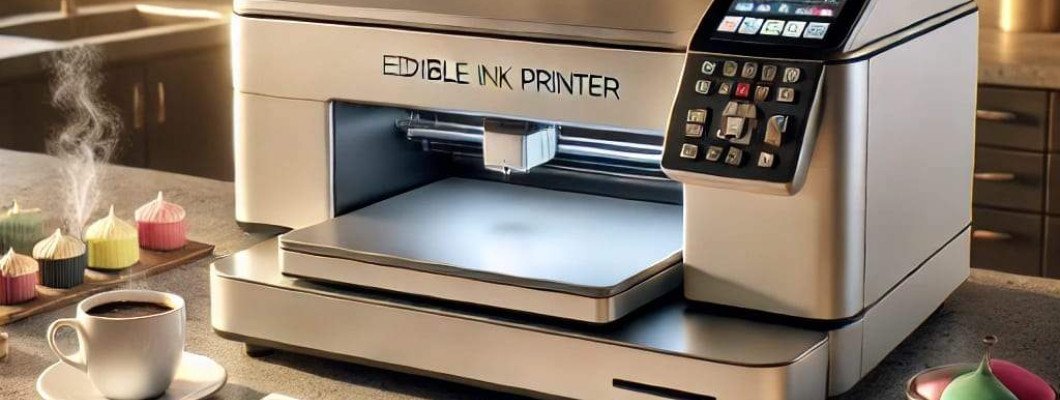
The advent of edible food ink represents a fascinating convergence of technology and gastronomy. Printers equipped with edible ink capabilities are becoming essential tools in the culinary industry, allowing chefs and food manufacturers to produce high-definition, personalized creations on consumable substrates. Yet, this innovative shift is not without its technical challenges. Understanding the industry's reliance on precision and safety standards is crucial. In this scenario, the operational bottlenecks often stem from the intersection of food safety compliance and intricate printing mechanisms. To achieve optimal results, stakeholders must navigate a complex web of regulations, quality assurance tests, and precision engineering.
Technical Deep-Dive into Edible Ink Systems
Edible Ink Chemistry
At its core, edible ink is composed of food-grade dyes and carriers, often requiring stringent adherence to health regulations. These inks must meet specific viscosity and droplet size parameters to function correctly within specialized printheads. Typically, droplet sizes range from 5 pl to 15 pl, ensuring both vivid color reproduction and minimal spread.
Printhead Precision
The printheads utilized in edible ink printers are designed to handle the unique properties of edible inks. Differences in ink viscosity demand modifications to standard piezoelectric or thermal printhead technologies, often requiring enhanced thermal management to prevent clogging and ensure consistent droplet ejection.
Hardware Comparisons
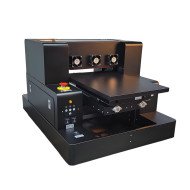
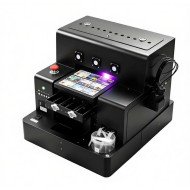
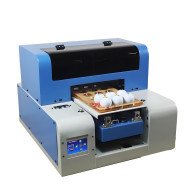
Comparing traditional inkjet printers to those equipped with edible ink adaptations reveals disparities in build materials and safety features. Edible ink systems often incorporate stainless steel components and food-safe plastics to prevent contamination.
Regulatory Compliance
Compliance with food safety standards such as FDA or EU regulations is non-negotiable. Manufacturers must ensure all materials and processes meet rigorous health and safety criteria, often necessitating extensive testing and quality assurance protocols.
Performance Efficiency
Efficient inkjet printing with edible inks requires a balance between throughput and precision. Machines need to handle various substrates, from sugar sheets to fondant, without compromising resolution. Standard resolutions range between 300 dpi and 1200 dpi, catering to different application needs.
| Aspect | Traditional Inkjet | Edible Inkjet |
|---|---|---|
| Printhead Type | Piezoelectric | Modified Piezoelectric/Thermal |
| Materials | Standard Plastics | Food-safe Plastics/Stainless Steel |
| Droplet Size (pl) | 1-5 pl | 5-15 pl |
| Resolution (dpi) | 1200-4800 dpi | 300-1200 dpi |
| Compliance | General Safety | FDA/EU Food Standards |
Scenario Analysis: Business Use-Cases
High-Volume Bakeries
The bakery industry sees immense potential for edible ink printers in creating custom designs at scale. For bakeries focused on efficiency, throughput is key. Machines must balance speed with adherence to food safety standards, an area where edible inkjet technology excels by minimizing downtime for cleaning and regulatory checks.
Event Catering
Caterers benefit from the personalization that edible ink technology provides, allowing for bespoke designs on cakes and pastries. The ability to rapidly produce high-resolution images on consumable substrates enhances client satisfaction and opens new avenues for creative expression.
Food Manufacturing
Food manufacturers integrate edible ink printing to streamline product branding directly onto consumables. This application necessitates robust equipment capable of handling large runs without compromising quality, a challenge met by advanced printhead and substrate compatibility features.
Expert FAQ
What are the challenges with edible ink viscosity?
Viscosity affects droplet formation and ejection reliability, which can influence image fidelity and printer maintenance cycles.
How do regulations influence printer design?
Design choices are heavily dictated by compliance requirements, often necessitating materials that meet food-grade safety standards.
What substrate options are viable?
Consumable substrates vary, including sugar sheets, wafers, and fondant, each requiring specific handling and print settings.
Can edible ink printing match traditional inkjet resolutions?
While lower in comparison, edible ink printing achieves adequate resolution for most aesthetic and branding needs (300-1200 dpi).
Are maintenance cycles different?
Regular maintenance is essential to prevent clogging due to edible ink properties, requiring more frequent cleaning procedures.
Strategic Verdict
Edible food ink technology is at a transformative stage, melding culinary art with precision engineering. Its trajectory seems promising, particularly for applications requiring enhanced personalization. As equipment design continues to advance, we can expect further integration of smart technologies to optimize both compliance and creative possibilities.