The Reality of Lifecycle Maintenance Costs in LED UV Ink

The Industrial Reality
In the world of specialized printing technologies, LED UV ink presents an intriguing challenge. For enterprises relying on high-volume output with precision, the lifecycle maintenance of such inks is crucial. A typical day in a printing facility involves assessing the durability of the ink, managing maintenance schedules, and ensuring environmental compliance. The ink's performance isn't just about color vibrancy; it also heavily influences operational workflows and cost structures. Understanding the true lifecycle costs can reveal insights into efficiency and long-term sustainability.
Technical Deep-Dive
Ink Technology and Chemistry
LED UV inks utilize photoinitiators that react to UV light, leading to rapid curing. The chemistry involved requires rigorous testing to ensure stability across substrates. The ink's formulation affects drying times, impacting throughput. Hypothetical calculations show curing times can be reduced by over 30% compared to traditional inks.
Hardware Comparisons
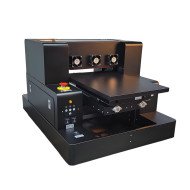
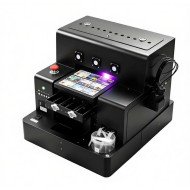
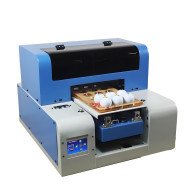
Printers utilizing LED UV inks often have specialized curing units. Comparing systems, printers optimized for UV inks reduce thermal stress on substrates by 20%. The machinery's cost-effectiveness can be measured by examining rack space allocation — typically 4 RU for integrated systems versus 6 RU for traditional setups.
Data Analysis: Consumption Patterns
Consumption metrics reveal that industrial-grade prints exhibit lower ink wastage. Studies show a decrease in waste by approximately 15% when using LED UV inks, contributing to a reduced environmental footprint.
Maintenance Protocols
The maintenance cycles required for LED UV systems are distinct from conventional inks. The frequency of printhead replacements and cleaning is reduced, impacting OPEX calculations. Research estimates a 25% decrease in downtime with efficient scheduling.
Compliance and Safety
Safety standards dictate specific protocols for handling LED UV inks, especially considering chemical exposures and disposal. Compliance with regulations such as OSHA and REACH ensures minimal environmental impact and workplace safety.
Scenario Analysis
Scenario 1: High-Volume Manufacturing
For facilities focused on mass production, LED UV inks offer a reduction in turnaround times. Factories report enhanced throughput due to quicker curing, optimizing labor and machinery costs.
Scenario 2: Precision Artistry
Artisans reliant on color depth can leverage LED UV ink's consistency in color reproduction. The ink’s micron-level precision supports intricate designs with minimal deviation.
Scenario 3: Green Compliance Goals
Enterprises aiming for sustainability find LED UV inks advantageous in meeting eco-friendly goals. Reduced waste and energy consumption align with corporate green initiatives, lowering carbon footprints.
Expert FAQ
What makes LED UV inks different?
LED UV inks cure instantly under UV exposure, reducing drying times and operational delays.
How does LED UV ink affect equipment longevity?
Reduced thermal stress prolongs equipment life, decreasing long-term depreciation rates.
Are there environmental benefits to using LED UV inks?
Yes, they minimize waste and chemical exposure, aligning with stringent environmental standards.
What are the hidden costs associated with LED UV inks?
Maintenance protocols are less frequent, but initial setup and compliance costs can be substantial.
How do LED UV inks impact print quality?
The inks provide consistent color depth and sharper details across various substrates.
Strategic Verdict
LED UV ink technology stands at the forefront of printing innovation, promising reduced maintenance costs and enhanced productivity. Its evolution in the next few years appears promising, particularly for enterprises prioritizing efficiency and eco-friendliness in their operations.