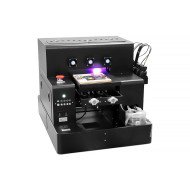
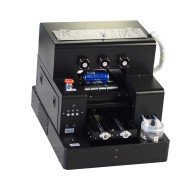
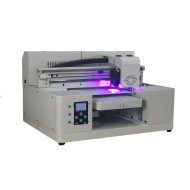
The Hidden Costs of DTG Printer Machines That No One Talks About
The Hidden Costs of DTG Printer Machines That No One Talks About
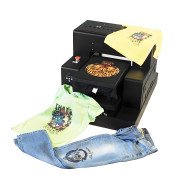
The dtg printer machine is revolutionizing textile printing with vibrant, high-quality results and efficient production. But while many are drawn to its ability to print directly onto garments with unparalleled precision and ease, the full cost implications often go unnoticed. By diving deeper into the hidden costs associated with DTG printer machines, businesses can make more informed purchasing decisions and maximize their return on investment (ROI).
Understanding the True Cost of a DTG Printer Machine
On the surface, the upfront price of a DTG printer machine is one of the first factors buyers consider. Depending on the brand and model, these machines can range from $10,000 for entry-level units to upwards of $50,000 for industrial-grade platforms. However, there are additional factors that contribute to the overall expense – factors that are critical for calculating your total cost of ownership (TCO).
Initial Investment and Installation Costs
The initial expenses, including the purchase and installation of a DTG printer machine, may seem straightforward, but there are hidden layers to this cost:
- Technical Set-Up: Some models require dedicated installation or assembly by trained technicians, often at an added cost.
- Workspace Preparation: High-performance machines may demand controlled environments with proper ventilation, stable electrical supply, and specific humidity levels to prevent print errors and machine damage.
- Training for Operators: Skilled staff are essential to operate a DTG printer machine efficiently, which may require training sessions from the vendor for a fee.
Recurring Consumable Expenses
A DTG printer machine doesn’t stop at the price of the hardware. Consumables like inks, pre-treatment solutions, and cleaning agents are necessary to ensure high-quality prints and smooth machine operations. Let’s break these down:
- Ink Costs: As the lifeblood of DTG printing, specialized textile inks are relatively expensive. To achieve vibrant colors and sharp graphics, you’ll likely go through significant quantities of ink, particularly for designs with large solid areas.
- Pre-Treatment Solutions: Pre-treatment is vital for printing on dark garments to retain ink vibrancy and durability. These solutions add to the per-shirt cost and must be applied correctly to avoid streaks or fading.
- Maintenance Consumables: Maintenance kits, such as printhead cleaning swabs, nozzle flushes, and platen covers, are required to avoid costly repairs or downtime.
Maintenance and Downtime: The Silent Costs of a DTG Printer Machine
Maintenance is an often-overlooked aspect of owning a DTG printer machine. Unlike other textile printing methods, DTG units operate with precise and delicate mechanisms that demand regular care. Here are some key considerations:
Frequent Machine Servicing
DTG printers rely on advanced printheads and nozzles to produce their signature high-resolution output. However, these components are prone to clogs, especially if the printer is idle for extended periods. Regular servicing appointments, coupled with the replacement of worn-out parts, can lead to significant costs over time.
Downtime Impacts Profitability
Every minute your DTG printer machine is down for maintenance or repairs represents lost revenue. In high-demand production environments, this can severely impact profitability. Furthermore, some vendors may face delays in delivering replacement parts, prolonging downtime and frustrating customers.
Operational Bottlenecks with a DTG Printer Machine
Although these machines promise incredible efficiency, it’s crucial to consider operational challenges that may slow production:
Throughput Constraints
DTG printers are ideal for small-batch orders and on-demand garment customization, but they can struggle with high-volume requirements due to their slower print speeds compared to screen printing. Businesses scaling their production lines may find this a limiting factor.
Learning Curve for Your Team
While DTG printer machines are innovatively designed for ease of use, they still require experienced operators to handle pre-treatment, design adjustments, and maintenance. Time and resources will need to be allocated for staff to master the equipment, reducing your initial productivity.
Environmental and Utility Costs of DTG Printer Machines
Another layer to the operational costs lies in the impact on resources, ranging from utilities to environmental considerations:
- Electricity Consumption: DTG printers operate on high-performance mechanisms that consume substantial power. Over time, energy consumption can inflate your power bills.
- Water Usage: Cleaning and pre-treatment processes often require ample water, especially if a business produces at a large volume.
- Disposal of Hazardous Materials: Ink waste, expired solutions, and cleaning agents may require environmentally responsible disposal methods, adding to your operational expenses.
Maximizing ROI From Your DTG Printer Machine
Despite these hidden costs, the benefits of a DTG printer machine, such as customization, vibrant prints, and reduced inventory waste, can deliver a strong ROI when used strategically. Here’s how to ensure your investment pays off:
Choose the Right Printer for Your Production Needs
Not all DTG printers are created equal. Assess your business goals to select a machine that aligns with your production capacity, design complexity, and garment materials. Industrial models like the dtg printer machine from GNFEI Technology strike the perfect balance between performance and durability.
Reduce Waste Through Efficient Workflow Practices
Streamline your workflow by minimizing ink wastage, optimizing design layouts, and using proper pre-treatment techniques. Regular preventative maintenance can also prevent costly repair issues before they arise.
Offer Premium, Custom Products
Capitalize on the unique selling proposition of DTG printing: personalized, high-quality garments. By focusing on niche markets and unique designs, you can justify higher price points and boost profitability despite the higher operational costs.