
The Growing Role of DTG Printer in Personalized E-commerce Platforms
Are You Struggling to Keep Up with Personalized E-commerce Trends?
If you run an online store or are thinking about launching one, you"ve probably noticed how important personalization has become. Customers no longer just want generic products—they want unique items that reflect their style and personality. The challenge? Meeting this demand without killing your margins or bogging down production. That"s where innovations like the DTG printer come into play. It"s transforming the way we approach custom apparel, making it faster and more affordable than ever before.
Understanding the Growing Role of DTG Printers in E-commerce
What is a DTG Printer Anyway?
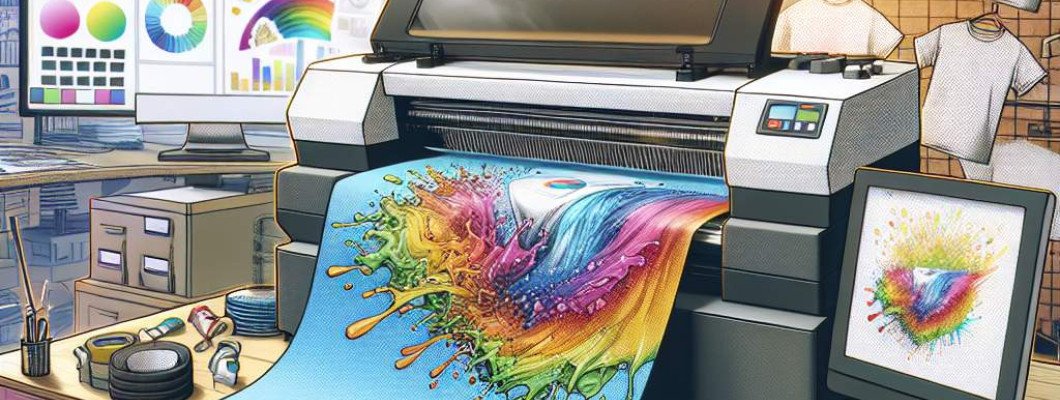
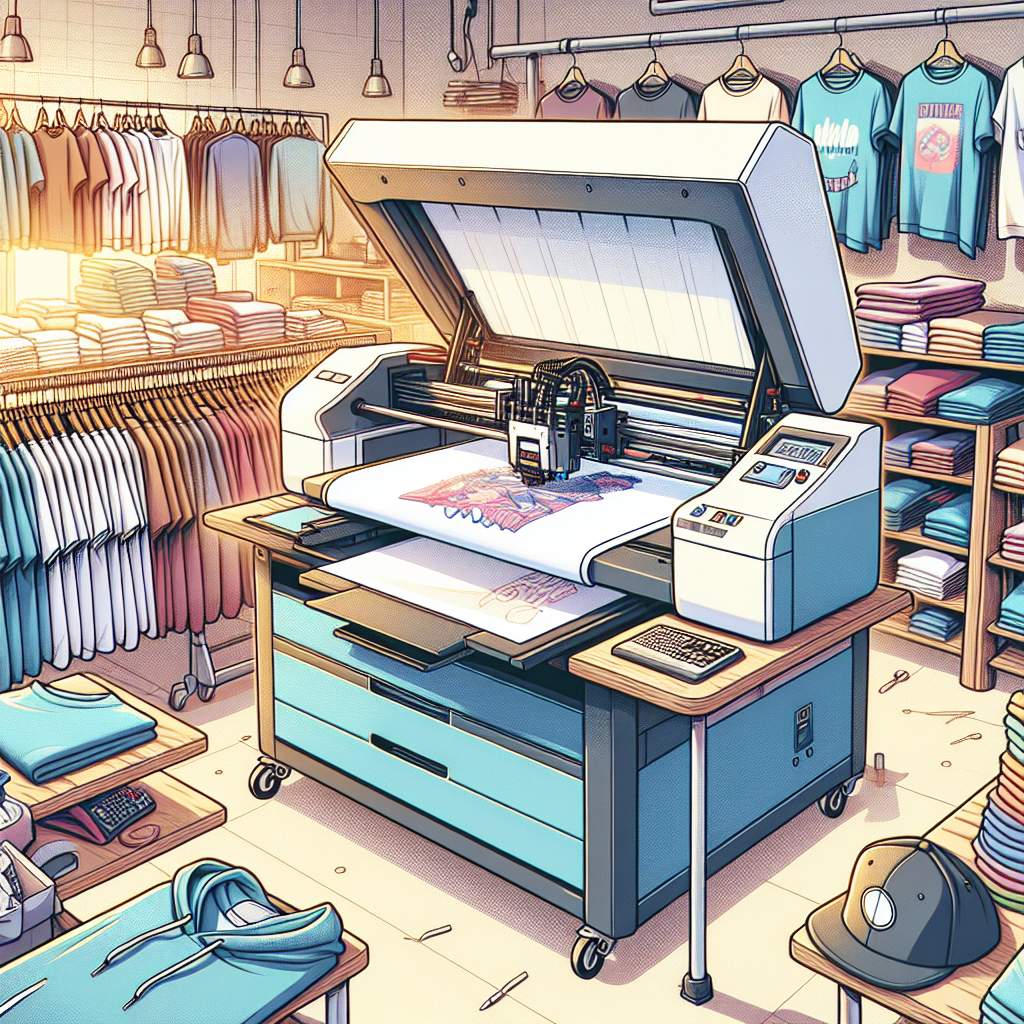
DTG stands for direct-to-garment. Think of it as a high-tech inkjet printer but for textiles. It sprays water-based inks directly onto fabric, allowing detailed and vibrant designs to be printed on T-shirts, hoodies, and more. Unlike traditional screen printing, DTG doesn't require creating screens for each design, which significantly reduces setup time and costs.
Why Are DTG Printers Now Essential?
- Speed and Flexibility: Print on demand, with no minimum order quantities.
- Cost-Effective for Small Batches: Perfect for personalized, small-run orders.
- High-Quality Output: Sharp, detailed images with a soft finish.
- Eco-Friendly: Uses water-based inks that are less harmful to the environment.
For example, imagine chatting with a friend who runs a small online clothing shop. She was hesitant about printing tech because of high upfront costs and minimum order constraints. Once she started using a DTG printer, she could offer customized designs without large investments. Her customers loved the fast turnaround, and her margins improved.
How DTG Printing Is Shaping Personalized E-commerce Platforms
Lower Barriers for Entry
Traditionally, starting a custom apparel business involved significant upfront costs—screen printing setups, bulk orders, inventory. Now, with a DTG printer, anyone with a computer can start small and grow over time. This democratizes the fashion industry, allowing entrepreneurs worldwide to jump in without breaking the bank.
Enabling Truly On-Demand Manufacturing
Say goodbye to excess inventory. When a customer places an order, the product is printed and shipped. This print-on-demand model minimizes waste and stockpiling costs. It"s perfect for niches like fan art, custom sportswear, or personalized gifts. Such flexibility helps brands respond quickly to trends, keeping their offerings fresh and relevant.
Enhancing Customer Experience
No one likes waiting weeks for a custom T-shirt. DTG printers provide quick turnaround times, often producing finished products within a day. Plus, high-resolution printing ensures each design is vibrant and durable, increasing customer satisfaction. When I discussed this with an online boutique owner, she shared how her repeat sales skyrocketed since switching to DTG—happy customers, happy business.
Choosing the Right DTG Printer for Your Business
What to Look For?
- Print Quality: Vibrant colors and fine detail matter.
- Speed: Match your order volume—some printers print faster than others.
- Ease of Use: User-friendly interfaces reduce training time.
- Maintenance and Durability: Long-term operational costs are a key factor.
- Support and Warranty: Reliable customer service keeps your business running smoothly.
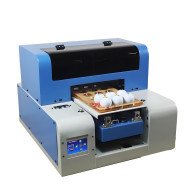
One of the most popular options is the A3 DTG printer — it balances high quality with affordability, making it suitable for startups and growing brands alike. It"s a solid investment to help you expand your product line.
Integrating DTG Printing Into Your Business Workflow
Steps to Get Started
- Research and select a printer based on your needs.
- Learn the software. Most DTG printers are compatible with design tools like Illustrator or Photoshop.
- Set up your workspace. Ensure you have proper ventilation and protective gear.
- Create or source designs. Unique art drives sales.
- Test your printer to ensure print quality and durability.
- Start marketing your personalized products. Use social media, your website, and online marketplaces.
Remember, like any new technology, there"s a learning curve. But the long-term gains—fast turnarounds, happy customers, low overhead—are well worth the effort.
Future Trends in DTG and E-commerce
What"s Next?
- Automation: Faster, smarter printing processes will reduce turnaround times even further.
- Advanced Inks: More eco-friendly and vibrant inks will improve sustainability and design quality.
- Integration with AI: AI-driven design automation and order management will streamline operations.
- Global Reach: Affordable DTG options will enable entrepreneurs worldwide to go global more easily.
Thinking ahead, if you"re serious about staying competitive, investing in a good DTG printer now makes sense. Plus, it opens doors to innovation you might not have considered before.
FAQs on DTG Printers in E-commerce
1. Can I print on all types of fabrics?
DTG works best on 100% cotton or cotton-rich blends. Some synthetic fabrics might not absorb the ink as well, leading to less vibrant results.
2. How durable are DTG prints?
When done properly, DTG prints are quite durable, lasting through numerous washes without fading. Proper curing during printing is essential.
3. Is DTG printing expensive to set up?
Compared to traditional screen printing, initial costs are lower, especially for small batches. The main expense is the printer itself and maintenance.
4. Can I offer large-volume orders with DTG?
While DTG is excellent for small, on-demand runs, high-volume production might require hybrid setups or different printing methods like screen printing.
5. How does DTG compare to sublimation printing?
DTG is ideal for a variety of fabrics, especially cotton, and offers detailed, multi-color designs. Sublimation works best on polyester fabrics with vibrant, durable colors but isn"t suitable for cotton.














Leave a Comment