The Gap Between DIY and Industrial-Grade Printing
The Industrial Reality
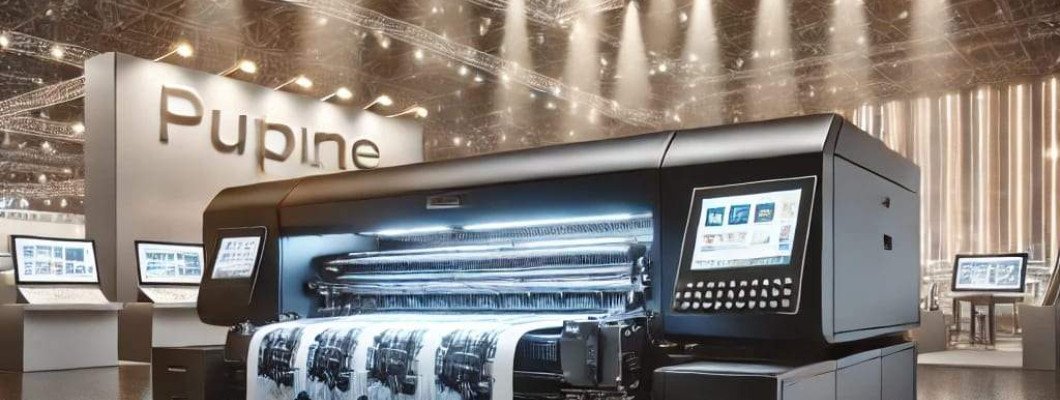
In the complex ecosystem of printing technologies, the Rose Flower Printer aims to bridge a crucial gap. Unlike typical consumer-oriented models, this device boasts capabilities that cater to industrial demands. However, realizing these features in a practical setting poses unique challenges. With an emphasis on precision and versatility, users often encounter hurdles that are seldom apparent in DIY solutions.
Technical Deep-Dive
Understanding High-Precision Printing
At the core of the Rose Flower Printer's capabilities lies its ability to deliver exceptional color depth and micron-level precision. The engineering behind such performance necessitates advanced printhead technology, capable of handling variable ink viscosities and delivering droplets as small as 1 picoliter. This level of precision requires meticulous control of the piezoelectric elements within the printhead.
Substrate Versatility
The Rose Flower Printer is renowned for its substrate versatility, accommodating various materials from standard paper to high-grade textiles. The challenge rests in maintaining consistent quality across different substrates, which can vary in absorbency and texture. The printer's adjustable platen pressure and automatic substrate detection system are critical components in achieving optimal results.
Hardware Comparisons and Performance
| Feature | DIY Printer | Rose Flower Printer |
|---|---|---|
| Droplet Size | 10 pl | 1 pl |
| Color Depth | 256 colors | 16.7 million colors |
| Max Substrate Width | 210 mm | 1000 mm |
| Substrate Types | Paper only | Paper, Textile, Vinyl |
Operational Limits and Maintenance
Maintaining peak performance is contingent upon regular maintenance cycles, particularly for high-precision machinery such as the Rose Flower Printer. Printhead cleaning and calibration are routine tasks that demand attention to detail and can impact uptime significantly. Understanding the thermal management of its components is equally crucial, as overheating can lead to premature wear and tear.
Raw Data Analysis and Efficiency
A critical examination of the Rose Flower Printer shows an energy consumption rate of 250 Watts during peak operation, a stark contrast to traditional models that may consume upwards of 400 Watts. With lower energy demands, the printer not only reduces operational costs but also aligns with eco-friendly practices.
Scenario Analysis
Consider three distinct business scenarios where the Rose Flower Printer's specifications impact outcomes significantly.
Scenario 1: High-End Fashion Label
Fashion labels require versatile printing solutions to manage intricate textile patterns. The printer's substrate versatility enables seamless transitions between different fabric types, ensuring consistent output without sacrificing quality.
Scenario 2: Fine Art Printing Studio
Art studios demand immaculate color reproduction; the Rose Flower Printer's 16.7 million color spectrum ensures that every print is a potential masterpiece, meeting the artist's exacting standards.
Scenario 3: Commercial Advertising Agency
For agencies handling diverse materials such as vinyl and banner prints, the printer's wide substrate compatibility and impressive feed width prove invaluable.
Expert FAQ
Q1: What is the lifespan of the printhead?
A1: Under optimal conditions, the printhead lifespan is approximately 2 years, contingent on maintenance and usage intensity.
Q2: How does substrate detection affect print quality?
A2: Automatic substrate detection ensures tailored settings for each material, crucial for maintaining consistent print quality.
Q3: Is there a risk of color banding at high speeds?
A3: The printer's advanced piezoelectric control minimizes color banding, even at rapid printing speeds.
Q4: Can the printer handle metallic inks?
A4: Yes, metallic inks are compatible, though they require specific adjustments to the ink delivery system.
Q5: What role does thermal management play?
A5: Effective thermal management prevents overheating, crucial for maintaining printhead precision and overall device reliability.
Strategic Verdict
The Rose Flower Printer stands as a testament to bridging the gap between DIY and industrial-grade printing solutions. Its precision, versatility, and efficiency position it as a robust choice for enterprises demanding high-quality outputs across diverse materials. While challenges in maintenance and substrate handling remain, the printer's innovative developments herald a promising trajectory in industrial printing technologies.