The Financial Audit of Headstone Photo Printers Tracking Hidden Workflow Costs
The Industrial Reality of Headstone Photo Printing Costs
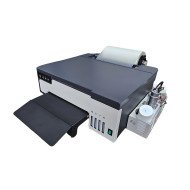
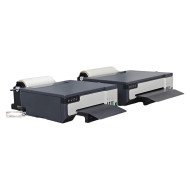
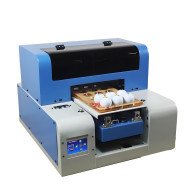
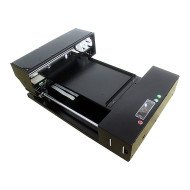
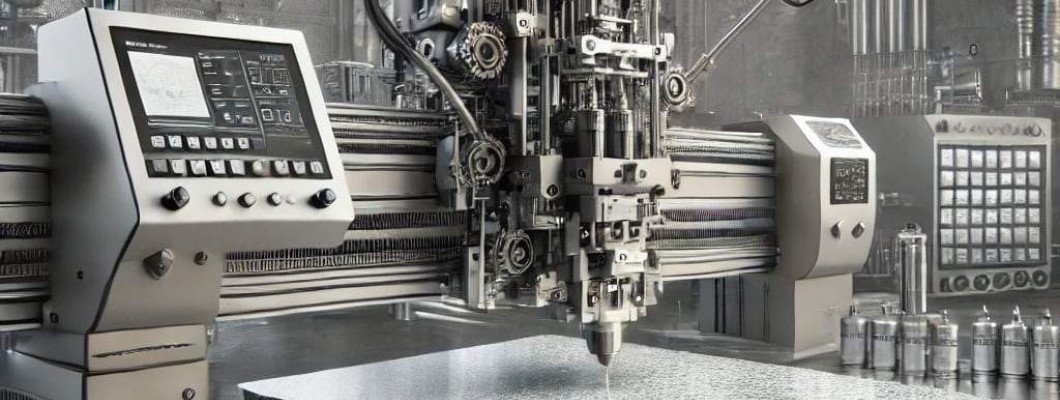
In modern memorial production environments, the deployment of headstone photo printers—specialized solutions for etching photographic-quality images onto stone surfaces—presents a unique financial and operational challenge. Despite the apparent simplicity of reproducing grave marker photos, the asset management and cost structures underpinning these systems reveal complexities often unaccounted for in upfront budgeting. Companies may acquire the printer based on headline specifications such as resolution and throughput, but ongoing operational costs such as consumables, maintenance intervals, and depreciation on precision printheads drive total cost of ownership (TCO) well beyond initial capital expenditure.
Take, for example, the high-precision inkjet or laser etching modules used for photorealistic detail. Their consumables involve not only inks—frequently specialized UV-stable or chemically hardened formulations—but also substrate preparation agents and routine printhead replacements that require skilled labor and downtime. Furthermore, the environmental conditions such as dust control and temperature regulation directly influence device uptime, which translates into productivity delays. Such factors merge into an operational bottleneck, exacerbating labor costs and complicating scheduling in workflows where timely project delivery is critical.
The headstone photo printer’s depreciation schedule is accelerated due to its niche application and wear from continuous precision printing on abrasive substrates like granite and marble. This depreciation, combined with maintenance contracts often bound by stringent service-level agreements, can lead to hidden escalations in operational expenses that standard financial models might miss.
Technical Deep-Dive into Cost Drivers and Hardware Trade-offs
Printhead Longevity and Replacement Economics
Most headstone photo printers employ piezoelectric or thermal inkjet heads with micro-nozzles calibrated to between 10 and 24 picoliters (pl) droplet size, achieving resolutions of 600–1200 dpi. Assuming an average printhead service life of 2,000 operational hours, replacement costs range from $3,000 to $7,000 per unit. If a printer performs 50 prints per day with an average print time of 30 minutes, a full replacement cycle may be necessary every 80 business days. This equates to a printhead cost allocation of approximately $37.50 to $87.50 per printhead cycle per day, an often hidden variable impacting cost per output.
Ink Chemistry and Consumable Degradation
Technical formulations for headstone photo ink must maintain UV resistance and stone adhesion, with chemistry prone to chemical degradation if improperly stored. Ink replacement frequency can vary from 1 liter every 500 prints to more frequent refills depending on print complexity and substrate absorbency. Pricing ranges from $250 to $600 per liter, inflating costs beyond initial estimates.
Environmental Control and Uptime Impact
Dust infiltration in granite processing facilities expedites printhead clogging. Engineering controls such as filtration systems and positive pressurized enclosures add 15–30% to capital and operational expenses but stabilize uptime from 85% to 95%. Downtime costs are estimated at $200 per idle operational hour when factoring labor and missed order deadlines.
Depreciation and Asset Lifespan
Financially, these printers are depreciated on a 3-year schedule due to intense usage and industry-specific wear. Residual values after 36 months average 20–25% of acquisition cost, necessitating the inclusion of accelerated depreciation in budgeting models to reflect diminished resale demand in secondary markets.
Comparing Two Printer Maintenance Strategies
| Parameter | In-House Maintenance | Outsourced Service Contracts |
|---|---|---|
| Average Downtime (per quarter) | 12 hours | 6 hours |
| Annual Cost ($) | 8,000 (parts + labor) | 15,000 (contract fixed fee) |
| Printhead Replacement Frequency | Every 6 months | Every 9 months |
| Uptime Percentage | 88% | 94% |
| Impact on Throughput (prints/month) | 450 | 500 |
Scenario Analysis of Headstone Photo Printer Financial Impacts
Scenario 1 Small Monument Shop
A local monument shop producing 100 photo-etched headstones monthly faces tight margins. Initial capital outlay is manageable, but with in-house maintenance and frequent printhead changes, total operational cost per print rises significantly. Downtime delays translate to slower invoice turnover and cash flow constraints.
Scenario 2 Regional Memorial Manufacturer
A mid-sized manufacturer running two shifts employs outsourced service contracts to maximize uptime. The higher fixed service cost is offset by increased monthly throughput and reduced emergency repairs, optimizing labor allocation and improving customer fulfillment rates on time-sensitive projects.
Scenario 3 Mass Production Facility
Large-scale industrial supplier integrates headstone photo printers into automated lines. Capital costs are amortized across high units, but environmental controls and scheduled maintenance are mandatory to prevent bottlenecks. The combination of high throughput and equipment redundancy supports a cost-competitive price-per-print model.
Expert FAQ on Hidden Financial and Operational Factors
What causes accelerated degradation of headstone photo printheads?
Exposure to abrasive stone dust, chemical inks with reactive solvents, and high print duty cycles all increase mechanical wear and clog rates.
How does environmental dust control affect operational ROI?
Improved air filtration reduces printhead failures and cleaning cycles, boosting uptime and lowering unplanned service costs by up to 30%.
Is outsourcing printer maintenance financially advantageous?
While more costly in fixed fees, outsourcing delivers fewer unplanned downtimes and predictable maintenance budgeting, improving long-term cash flow.
What are effective strategies to extend printhead lifespan?
Regular cleaning cycles, controlled humidity, and strict operational protocols reduce nozzle clogging and prolong usable service hours.
How do depreciation schedules influence asset replacement strategy?
Accelerated depreciation reflects rapid technology obsolescence and intense wear, pushing organizations to plan capital reinvestments on a 3-year cycle to stay competitive.
Strategic Verdict on Headstone Photo Printer Economics
In essence, the financial viability of headstone photo printers depends heavily on managing operational intricacies beyond upfront hardware costs. Analyzing printhead wear rates, consumable usage, environmental impacts, and maintenance strategies reveals substantial influences on total cost per print and asset lifespan. Sophisticated budgeting must incorporate accelerated depreciation and operational contingencies to avoid crippling hidden expenses. Forward-looking businesses will benefit from integrating predictive maintenance and environmental controls that optimize uptime, offsetting the high fixed costs associated with these specialized devices. Ultimately, the economic success of deploying headstone photo printers rests on a rigorous financial audit of all workflows rather than relying on vendor marketing claims or nominal specifications alone.