The Financial Audit of A3 T-Shirt Printing: Unseen Costs and Realities
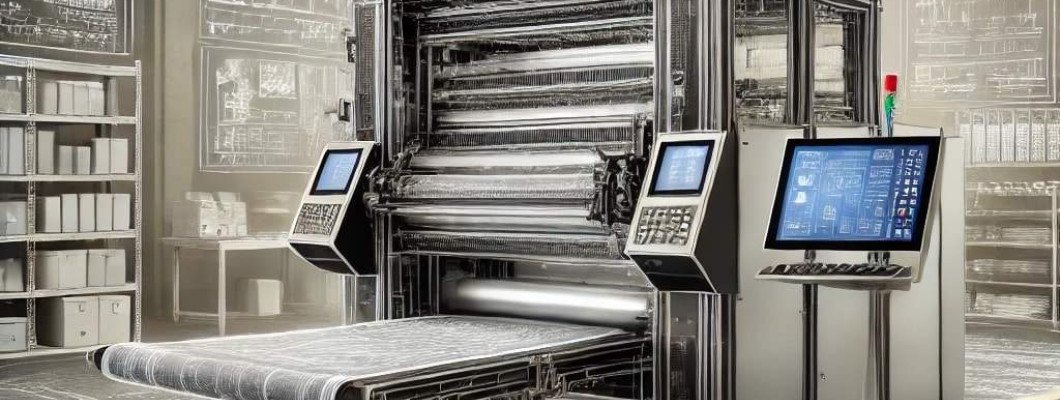
The Industrial Reality
In the world of textile printing, especially when it comes to A3 T-shirt printing machines employing Direct-to-Garment (DTG) and Direct-to-Film (DTF) technologies, the financial landscape is often clouded by invisible costs. For scalable business owners, understanding the operational nuances that impact your bottom line is crucial. The financial audit of these machines reveals not only the overt costs but also the hidden expenditures that could affect long-term profitability.
Technical Deep-Dive
Understanding DTG and DTF Technologies
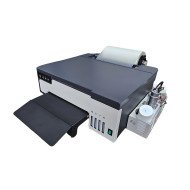
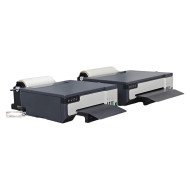
DTG and DTF printers are revered for their ability to produce high-quality prints on fabrics with precision. DTG utilizes inkjet technology to apply water-based inks directly to garments, allowing for detailed and vibrant prints. In contrast, DTF involves the transfer of prints onto film, which is then applied to the fabric using a heat press. Both technologies have distinct benefits and challenges.
Operational Costs and Efficiency
The operational efficiency of DTG and DTF printers hinges on various factors including ink usage, power consumption, and substrate compatibility. A typical DTG printer may consume 150-200 watts during operation, whereas a DTF printer’s heat press could consume around 500 watts. Understanding these power dynamics is essential for accurate cost projections.
Maintenance and Lifecycle Management
Maintenance costs can constitute up to 15-20% of the total operational expense annually. The precision components, such as printheads and ink delivery systems, require regular cleaning and calibration. A deeper understanding of how the lifecycle of these parts impacts financial planning is critical.
Cost Comparison Table
| Aspect | DTG | DTF |
|---|---|---|
| Power Consumption (Watts) | 150-200 | 500 |
| Ink Usage (ml per print) | 10-15 | 15-20 |
| Maintenance Costs (Annual %) | 15% | 20% |
Infrastructure and Compliance
Integrating these printers into existing workflows demands consideration of infrastructure. Environmental compliance, especially regarding waste management from inks and films, requires strategic planning. Regulations may differ regionally, affecting how businesses have to manage their operations.
Scenario Analysis
Use Case 1: Small Business Growth
For small businesses scaling from prototype to mass production, the choice between DTG and DTF affects throughput and labor costs. DTG suits low-volume, high-quality demands, while DTF excels in medium to high-volume environments.
Use Case 2: High-Precision Artisan Needs
Artisans prioritizing micron-level precision may favor DTG for its superior color depth, while DTF’s substrate versatility serves broader creative needs.
Use Case 3: IT Management and Compliance
Infrastructure managers must focus on thermal management and compliance, aligning printer specs with rack density and environmental standards.
Expert FAQ
What is the maximum dpi for DTG and DTF printers? Most DTG printers offer up to 1200 dpi, while DTF typically ranges between 1440 and 2880 dpi.
How often should printheads be replaced or serviced? Frequency depends on usage intensity but generally ranges from 6 months to a year.
Can DTG inks be used on DTF films? No, DTG inks are specifically designed for direct fabric application.
What are the common failure points in DTG printers? Printheads and ink delivery systems are prone to clogging and require regular maintenance.
How does heat impact DTF print quality? Incorrect heat settings can affect adherence and brightness, demanding precise thermal management.
Strategic Verdict
Both DTG and DTF printers present unique opportunities and challenges. Understanding the intricate details of operational costs, infrastructure integration, and lifecycle management is key to making informed investment decisions. The trajectory of these technologies suggests a growing emphasis on hybrid solutions that maximize both efficiency and print quality.