The Financial Audit of a Color Version Latte Coffee Printer Reveals Hidden Workflow Costs

The Industrial Reality of Coffee Printer Integration in Cafes
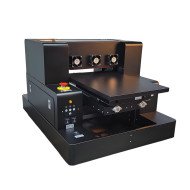
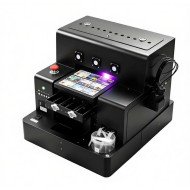
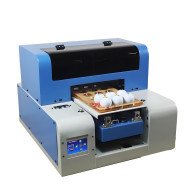
Consider a mid-sized specialty coffee shop aiming to differentiate its beverage offerings through premium latte art using a Color Version Latte Coffee Printer. At first glance, the introduction of such advanced printing technology promises visual enhancement and potential customer engagement premiums. However, operationalizing this equipment unveils a complex financial and workflow overlay that extends well beyond the initial purchase price.
In practical terms, the latte printer demands dedicated maintenance cycles, specialized consumables, and integration into existing barista workflows. Each printed cup introduces time overhead, potentially reducing throughput unless throughput is adjusted by additional staffing or process automation. The depreciation of the printer’s key components—printheads, ink reservoirs, and mechanical actuators—further compounds lifecycle costs. This scenario is exacerbated when factoring in the stability and shelf life of edible inks, the calibration frequency to ensure consistent color fidelity, and potential downtime from clogging or alignment failures.
From a financial standpoint, these often-invisible costs manifest as incremental operational expenses (OPEX) layered atop the capital expenditure (CAPEX) of purchasing the printer. Without rigorous analysis and monitoring, cafe owners may misestimate return on investment (ROI), risking asset obsolescence or degraded customer experience due to variable print quality.
Technical Deep Dive into Cost Drivers and Performance Metrics
Ink Consumption and Cost per Print Calculation
The printer's use of edible, color-matched inks introduces a significant consumable cost parameter. Assuming an average ink droplet size of 10 pico-liters (pl) and a typical print resolution of 600 dpi over a 50 mm diameter circular print area on a latte surface, the volume of ink per printed design approximates 0.8 ml per cup. If the ink cartridge contains 30 ml at $45 per cartridge, the direct ink cost per latte art print is approximately $1.20. This cost alone represents a considerable premium over unprinted beverages and must be factored into pricing strategies.
Printhead Wear and Maintenance Scheduling
Printhead life expectancy is rated at roughly 10,000 printing cycles before quality degradation becomes noticeable. Printhead replacement costs around $300, and scheduled maintenance, including nozzle cleaning and recalibration, extends printer uptime but incurs labor and downtime costs. If the printer operates 8 hours daily, printing 100 cups each hour, printhead lifespan equates to just over a single month. Factoring replacement and scheduled maintenance costs into an amortized daily cost increases the effective equipment expense by approximately $15 per day.
Calibration and Color Consistency Metrics
Frequent color calibration is necessary due to ink chemistry variations and temperature fluctuations affecting jetting behavior. Employing spectrophotometric analysis tools to measure color fidelity after every 500 prints is industry best practice. Calibration cycles consume approximately 15 minutes of downtime and require skilled technicians, adding approximately $10 daily in labor costs. Missed calibrations risk color drift and customer dissatisfaction.
Throughput Impact and Labor Cost Implications
Each printed latte requires 45 seconds of printer engagement beyond the standard preparation time, reducing theoretical maximum throughput. To maintain service levels, additional baristas or automation must compensate for this lag. Assuming a $15 hourly wage and a need to add one full-time equivalent (FTE) for print management and maintenance, labor costs increase by $120 per day, representing a critical bottleneck in scaling operations without significant investment in automation.
Energy Consumption and Physical Footprint Considerations
Operating power consumption averages 150 Watts during print cycles, translating to approximately 1.2 kWh in an 8-hour daily operation, equating to $0.18 daily at $0.15 per kWh electricity cost. The unit’s footprint of 0.3 square meters in a typically crowded coffee prep environment may necessitate workspace reorganization, indirectly impacting operational efficiency and potentially requiring capital expenditure in workspace modification.
| Cost Factor | Scenario A: High-Volume Daily Use | Scenario B: Low-Volume Boutique Use |
|---|---|---|
| Ink Cost per Print | $1.20 | $1.20 |
| Printhead Amortized Cost per Day | $15 | $5 (less frequent use) |
| Calibration Labor Cost | $10 | $5 |
| Additional Labor for Throughput | $120 | $40 |
| Energy Cost | $0.18 | $0.06 |
| Workspace Modification | Required | Optional |
Scenario Analysis of Business Use Cases
Scenario One A High-Traffic Chain Integrates Latte Printers
For a chain coffee shop with 500+ daily lattes, the Color Version Latte Coffee Printer introduces significant CAPEX and OPEX. The need for multiple units to avoid throughput bottlenecks elevates capital investment while labor costs surge to maintain throughput. The resulting coffee price increase risks market competitiveness. Precise cost control and efficiency improvements in print speed and maintenance are prerequisites for viability.
Scenario Two Boutique Artisan Cafe Using Printers Selectively
A boutique cafe with limited daily capacity (50-70 cups) may deploy the printer primarily for premium, high-margin drinks. Lower throughput pressure reduces amortized maintenance and labor costs, making the printer a differentiated service tool with manageable cost impact. The trade-off favors quality over volume, aligning with artisan branding strategies.
Scenario Three Event-Based Use of the Printer for Marketing
Using the printer only for special events or promotional campaigns mitigates ongoing maintenance costs and labor impacts by limiting operating hours. The printer acts as a marketing asset with controlled capital utilization but requires regular recalibration and maintenance before each use to ensure print quality. This scenario imposes less strain on daily workflows but limits recurring revenue potential.
Expert FAQ About Printers in Food Service Environments
How does ink chemistry impact maintenance frequency?
Edible inks often contain particulate pigments and organic solvents that can precipitate or dry in nozzles if usage is intermittent. This requires more frequent flushing cycles and nozzle cleaning compared to conventional industrial inks, increasing maintenance frequency and labor.
What redundancy strategies minimize downtime?
Deploying parallel printheads with automatic switchover or installing multiple printers ensures continuous operation during service or printhead failure. This redundancy increases upfront CAPEX but reduces costly downtime during peak hours.
How does environmental control affect color fidelity?
Temperature and humidity fluctuations directly affect ink viscosity and jetting behavior, causing color shifts. Implementing controlled micro-environments around printers with HVAC or local conditioning stabilizes output consistency but adds infrastructure costs.
What is the typical ROI timeframe for these printers?
Considering CAPEX of $10,000-$15,000 plus OPEX detailed above, ROI typically extends beyond 18-24 months unless premium pricing and operational efficiencies are aggressively pursued.
Are software updates critical to performance?
Yes, firmware updates often include print optimization algorithms and nozzle maintenance protocols that enhance print quality and longevity. Neglecting updates can degrade output quality and increase failure rates.
Strategic Verdict on Financial Viability and Operational Scaling
The Color Version Latte Coffee Printer exemplifies an intersection of advanced printing technology and specialty food service, where the financial audit exposes substantial hidden operational expenditures beyond headline CAPEX. Without thorough monitoring and optimization of consumables, labor, and maintenance cycles, achieving a positive ROI challenges many operators. Scalability is constrained predominantly by throughput limitations and maintenance demands, requiring investment in either process automation or workforce enhancement.
Future iterations must focus on extending printhead life beyond 10,000 cycles, reducing ink consumption per print, and accelerating print speed. Technological improvements targeting these vectors will directly improve cost efficiency and commercial sustainability. Until such advancements occur, the printer fits best within low-to-mid volume, high-margin niche applications rather than mass-market deployment.