
The Evolution of DTG Shirt Printing and Screen Print vs DTG
The Evolution of DTG Shirt Printing and Screen Print vs DTG
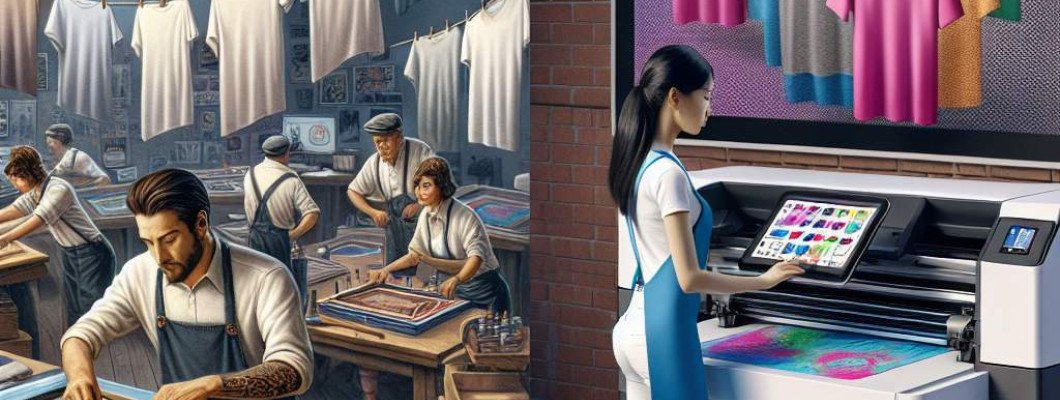
In the world of apparel customization, printing techniques have come a long way from basic methods to sophisticated digital processes. Among these, **Direct-to-Garment (DTG) printing** and traditional **screen printing** are the most prominent. Each method has its own history, advantages, and limitations, making them suitable for different kinds of projects. Understanding the evolution from classic screen printing to modern DTG technology provides valuable insights into how manufacturers and designers can choose the best process for their needs.
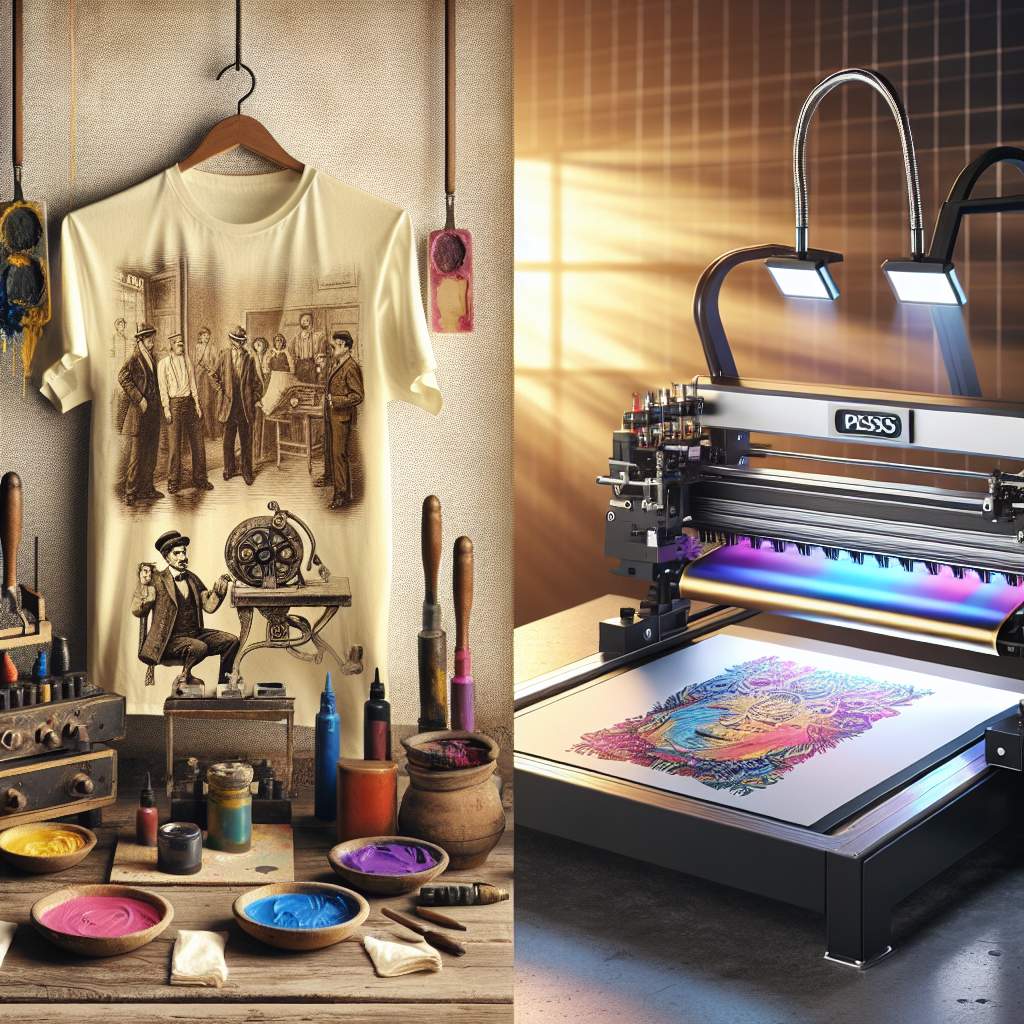
Let"s start by exploring the roots of screen printing, a technique that has been around for centuries. Historically, screen printing, also known as silk screening, dates back to ancient China, where it was used for decorative purposes. The method involves creating a stencil (or screen), then applying ink through the open areas of the stencil onto fabric or other surfaces. It became popular in the 20th century for mass production of posters, textiles, and apparel. The process is relatively straightforward but requires significant manual labor, especially when producing multi-color designs. Despite its age, screen printing remains widely used today due to its durability and cost-effectiveness for large runs.
As technology advanced, so did the printing techniques. In the late 20th century, digital printing methods emerged, and one of the most significant developments was **direct-to-garment (DTG) printing**. Unlike screen printing, which relies on physical stencils and ink overlays, DTG uses high-quality inkjet technology to print designs directly onto fabric. This transition from manual to digital has revolutionized the industry. DTG allows for highly detailed, full-color images to be printed quickly and with minimal setup costs, making it an ideal solution for small-batch and on-demand printing. The accuracy and vibrant color reproduction of DTG have steadily improved, pushing the boundaries of what digital textile printing can achieve.
Comparing Screen Printing and DTG: Pros and Cons
Both techniques have their own strengths and weaknesses. Screen printing excels when producing large quantities of the same design. It offers excellent color vibrancy, durability, and cost efficiency at scale. On the other hand, DTG shines in scenarios where short runs or highly detailed designs are required. Since DTG doesn"t require creating screens or stencils, it"s more flexible for customization, custom artwork, and small orders. Here"s a quick comparison:
- Cost: Screen printing requires higher setup costs due to screen creation, but becomes economical for bulk orders. DTG has lower initial setup costs, making it better for small quantities.
- Design Complexity: DTG handles detailed images with a wide color palette effortlessly, while screen printing can be limited in complexity and color but excels in bold, simple designs.
- Speed: For large orders, screen printing is faster once set up. DTG offers faster turnaround for small batches and instant printing without extensive preparation.
- Durability: Screen prints tend to be more durable and wash-resistant, especially with plastisol inks. DTG prints are improving in durability but typically require special pretreatment and washing instructions.
Choosing between the two ultimately depends on your specific project requirements and budget considerations. For instance, a brand producing thousands of identical shirts might prefer screen printing, whereas a custom clothing shop or promotional business benefits greatly from DTG's flexibility.
The Technological Advancements in DTG
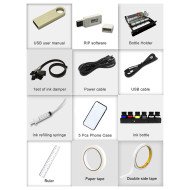
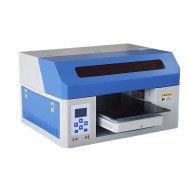
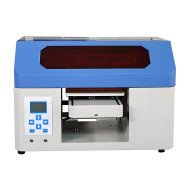
Over the past decade, DTG printing has seen remarkable advancements. Early models were often limited by lower print resolution and slower speeds, but modern printers are now capable of producing high-definition images with unmatched detail and vibrancy. Digital inks have become more eco-friendly and long-lasting, and the support software for design integration has improved significantly, making the workflow more streamlined. For example, the **A3 DTG Printer** from GNFEI offers high-speed printing, superior color accuracy, and easy operation—perfect for entrepreneurs looking to expand their product range. You can learn more about it here.
Furthermore, innovations such as automatic pre-treatment, enhanced printheads, and UV-curable inks have extended the durability and versatility of DTG prints. These developments mean that DTG can now be used on a broader range of fabrics, including blends and darker textiles, with minimal hassle. As these technologies continue to evolve, the gap between screen printing and DTG in terms of quality and durability narrows further, making digital methods an increasingly attractive option for many businesses.
Environmental Impact and Sustainability
Another important consideration is the environmental impact of these printing techniques. Traditional screen printing often involves the use of plastisol inks, which contain PVC and phthalates, raising concerns about environmental safety and recyclability. Additionally, the process can generate waste in the form of excess ink and chemicals used for cleaning screens. Conversely, DTG uses water-based inks that are generally more eco-friendly. The digital nature of DTG printing also reduces waste, as perfect prints can be produced without excess inventory. As sustainability becomes a critical factor in consumer decision-making, many brands are shifting toward greener printing options like DTG because of its lower ecological footprint.
The Future of Textile Printing: Trends and Predictions
The future of shirt printing looks promising, with ongoing innovations making digital printing more accessible and versatile. Hybrid methods combining screen printing"s durability with DTG"s detailed images are emerging. Additionally, advancements in ink formulation, automation, and machine learning are set to further enhance productivity and quality. The growth of on-demand printing aligns perfectly with global trends toward customized and sustainable apparel. As consumers demand more personalized items, the demand for flexible printing solutions will continue rising. Businesses investing in cutting-edge DTG technology now position themselves at the forefront of this shift, offering high-quality, eco-friendly, and rapidly produced garments.
Final Thoughts
From its humble beginnings rooted in artisanal silk screens to the technological marvels of today"s digital DTG printers, the evolution of shirt printing reflects the broader progress of manufacturing technology. While traditional screen printing remains a reliable, cost-effective choice for large-scale production of simple designs, DTG"s flexibility and capacity for intricate, vibrant images make it ideal for modern demands. Whether you"re a startup focusing on custom apparel or an established brand seeking innovative solutions, understanding these methods will help you make informed decisions for your business. If you are interested in upgrading your printing capacity, consider exploring the latest DTG machines like the A3 DTG Printer. Embracing the right technology today will shape the future of your apparel production.













Leave a Comment