
The DTG Printer Advantage in a Market Driven by Personalization
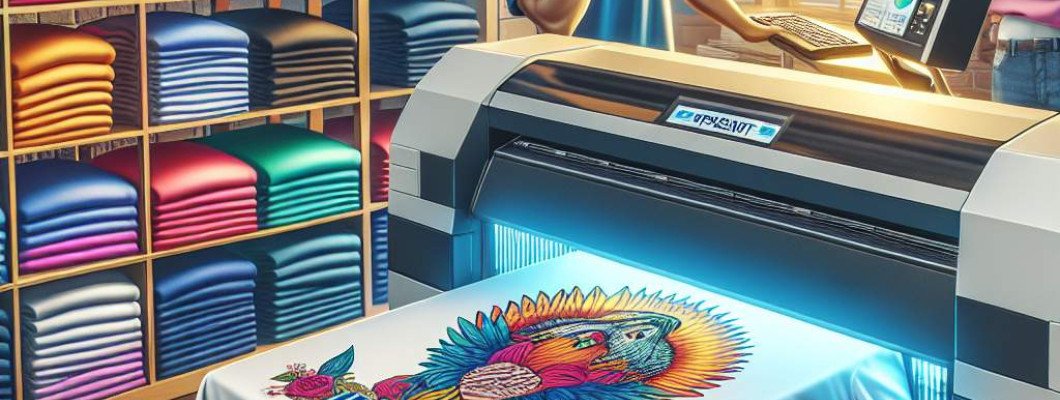
Struggling to Stand Out with Your Custom Apparel Business?
If you"re in the market for personalized products, you already know how fierce the competition is. Every player claims to offer the best quality or quickest turnaround. But what really gives some brands an edge? The answer often lies in the tools they use — especially when it comes to printing technology. Have you considered how a DTG printer can transform your business? If not, now might be the time to explore this game-changing technology.
What Is a DTG Printer and Why Should You Care?
Understanding the Basics of Direct-to-Garment Printing
A DTG (direct-to-garment) printer is a device that applies ink directly onto textiles, like T-shirts, hoodies, and other apparel. Unlike screen printing, which involves creating stencils and layers, DTG uses digital files to produce detailed and colorful designs quickly and efficiently. It"s like printing on paper but on fabric — fast, precise, and capable of complex designs.
The Real Advantage of DTG in a Personalization Market
Imagine having the ability to print a single customized shirt for a customer without the need for minimum orders. That"s where a DTG printer shines. It allows you to offer on-demand, personalized products with high detail and vibrant colors. This matches the rising consumer demand for unique, one-of-a-kind items and enables brands to be more responsive to trends and customer preferences.
Top Benefits of Using a DTG Printer in Your Business
1. Supreme Print Quality and Detail
DTG printers produce images with incredible detail, even for complex designs with multiple colors or gradients. The inks are absorbed into the fabric, resulting in soft, durable prints that won"t crack or peel over time. If you"ve ever been disappointed with low-quality prints, a DTG may be your solution.
2. Faster Turnaround Times
With digital printing, there"s no need for lengthy setup processes like making screens or stencils. You upload your design, and the printer produces your product in minutes. This means you can fulfill last-minute orders or small batches without delays.
3. Cost-Effective for Small Batches and Custom Orders
Traditional screen printing gets expensive when run sizes are small. DTG reduces setup costs dramatically, making it ideal for small runs or one-offs. If your business depends on personalization or limited editions, this flexibility is a huge advantage.
4. Easy to Use and Maintain
Modern DTG printers are designed for ease of use. They typically come with user-friendly interfaces and require minimal training. Plus, maintenance routines are straightforward, lowering your ongoing operational costs.
5. Eco-Friendly and Less Wasteful
Compared to other printing methods, DTG produces less waste — no screens or excess ink mess. The water-based inks are also less harmful to the environment, appealing to eco-conscious consumers.
Choosing the Right DTG Printer for Your Business
What to Look For
- Print Quality: Look for printers with high-resolution capabilities for sharp, vibrant images.
- Speed: Consider your order volume. Fast printers can handle larger workloads.
- Ease of Use: User-friendly interfaces save time and reduce errors.
- Maintenance: Check for ease of cleaning and minimal downtime.
- Support and Service: Reliable vendor support is crucial for smooth operation.
To get a sense of what"s available, check out the A3 DTG Printer — a versatile option for small to medium operations.
Integrating a DTG Printer into Your Workflow
Setup and Training
Once you acquire your DTG printer, spend time on setup and training. Most manufacturers offer tutorials or support services. Remember, the initial investment in learning pays off in smoother daily operations.
Design Preparation and Workflow
Efficient design preparation is key. Use vector files or high-resolution images. Make sure your software is compatible, and keep your color profiles calibrated for consistent results.
- Use design software like Adobe Photoshop or Illustrator.
- Pre-treat your garments if necessary — some fabrics require it for optimal printing.
- Perform test prints to confirm color accuracy and quality before production.
Case Study: Turning Personalization into Profits
Take Sarah, a small business owner. She specialized in custom sports jerseys. After switching to a DTG printer, she reduced her turnaround from days to hours. Her customers loved the ability to order one shirt at a time, with detailed logos and full-color images. Her sales increased steadily, and she was able to expand her offerings into on-demand fashion collections. If you want to see similar results, investing in a quality DTG printer might be your next big move.
FAQ About DTG Printing for Your Business
Q1: Can I print on all types of fabrics?
Most DTG printers work best on 100% cotton or cotton-blend fabrics. Some newer models can handle synthetic blends better, but always check the compatibility before making a purchase.
Q2: How durable are DTG prints?
When done right, DTG prints are highly durable, withstanding multiple washes without fading or cracking. Proper curing and using the right inks are essential.
Q3: Is the initial investment high?
DTG printers can be a significant upfront expense, but consider the savings on setup, the ability to do small and custom runs, and the quality improvements. It"s often a smart investment for growing personalization businesses.
Q4: How much space do I need?
Most home and small business models are compact enough for a dedicated workspace or garage setup. Larger commercial units require more room but offer higher speeds and capabilities.
Q5: Can I use DTG printers for other products besides T-shirts?
Yes, many DTG printers can print on other textiles like tote bags, pillowcases, or certain types of clothing, expanding your product range and market.
Thinking about boosting your personalized apparel offerings? The A3 DTG Printer is a reliable choice that can give you an edge in this fast-growing market. Don"t wait — start embracing digital textile printing today.
















Leave a Comment