
The Business Value of Adding a T-SHIRT PRINTER to Your Production Line

Are you struggling to keep up with the demand for customized apparel? Or maybe you're wondering how to make your production line more efficient? Adding a T-shirt printer to your manufacturing setup might be the game-changer you need.
When I first considered integrating a T-shirt printer, I didn't realize how transformative it could be. It"s not just about printing shirts; it"s about unlocking new business opportunities, reducing lead times, and offering more personalized products. If you're on the fence, let me walk you through why this investment is worth it and how it can boost your bottom line.
The Real Business Benefits of a T-shirt Printer
1. Faster Turnaround Times
With an in-house T-shirt printer, you control your workflow entirely. You no longer need to rely on third-party printing services that might have long queues or shipping delays. This means you can go from design approval to finished product in a fraction of the time. For small to medium businesses, this speed can be the difference between winning and losing a client.
Imagine a customer spots a trending meme or viral design—being able to print and deliver quickly gives you a competitive edge. The ability to handle rush orders without delay is a major advantage.
2. Increased Customization Options
Today's consumers love personalized products. Adding a T-shirt printer gives you the flexibility to create custom designs on demand. You can offer limited editions, event-specific apparel, or personalized gifts, all without significant upfront costs.
Plus, you can experiment with new designs in real-time, adjusting as needed without waiting for external orders. This agility is crucial in a fast-evolving market.
3. Cost Savings and Higher Margins
Outsourcing printing can eat into your profit margins. When you have your own T-shirt printer, you'll save on per-unit costs in the long run, especially when scaling up production. Additionally, you eliminate shipping fees and potential quality issues associated with third-party printers.
Look at it this way: once the initial investment is covered, each shirt you print increases your profit margin. It's a smart move for growing businesses.
4. Greater Control Over Quality & Workflow
Quality control becomes much easier when you handle printing internally. You can set your standards, ensure consistency, and make adjustments on the fly. Plus, your team can refine techniques and optimize processes over time, resulting in better products.
This control also reduces errors—no more miscommunications or delays that come with third-party vendors. It"s all in your hands.
How to Choose the Right T-shirt Printer for Your Business?
Size and Production Capacity
- If you're just starting or have a small team, a compact printer with moderate speed might be ideal. Think of it as a tool to grow into.
- For larger operations, consider models with higher output rates, multi-color capabilities, and advanced features.
Print Quality and Durability
- Look for printers with high-resolution outputs and durable inks. Your designs should look vibrant and last wash after wash.
- Review customer feedback and samples before making a purchase.
Ease of Use & Support
- Choose a model that's user-friendly, especially if your team is new to printing tech. Good manufacturer support is also critical.
- Consider training and warranty options to protect your investment.
Cost & Return on Investment
- Compare initial costs against long-term savings. Remember, a top-tier model might cost more upfront but save you money over time.
- Factor in maintenance, ink costs, and potential upgrades.
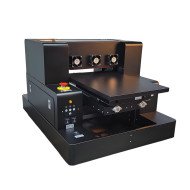
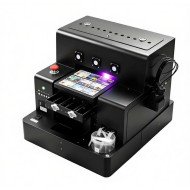
If you want a reliable, high-quality option, check out the A3 DTG Printer. It"s designed for small and medium-sized businesses looking to scale efficiently.
Real-Life Success: How Our Customers Are Winning
One client started using a T-shirt printer six months ago. They mainly printed local team jerseys and personalized event shirts. Their turnaround time went from a week to just 48 hours.
Sales doubled, and customer satisfaction soared because they could fulfill last-minute orders effortlessly. They also started offering limited-edition designs, which attracted more online traffic.
This story isn"t unique. Many businesses find that bringing printing in-house not only cuts costs but opens up new revenue streams.
FAQs About Adding a T-shirt Printer to Your Production Line
Q1: Is it worth investing in a T-shirt printer for a small business?
Yes. It reduces dependency on external vendors, speeds up order fulfillment, and increases your ability to customize, which appeals to today"s consumers. The initial cost is often offset by savings and increased sales.
Q2: What are the ongoing costs involved?
Expect expenses for inks, maintenance, and occasional parts replacements. Modern printers like the A3 DTG Printer are designed to be efficient with consumables, helping you keep costs predictable.
Q3: How much space do I need?
Many desktop models fit into a small workshop or backroom. Larger industrial printers require more space and staff, so choose based on your current and projected capacity.
Q4: Can I print on different fabric types?
Most quality printers can handle cotton, polyester, and blends. Check your chosen model"s specifications to ensure compatibility with your materials.
Q5: How quickly can I start printing after purchase?
With good training and initial setup, you can be printing in a few days. Most suppliers offer training and support to get you up and running fast.
Adding a T-shirt printer to your production line is a strategic move that can significantly boost your efficiency, margins, and product diversity. It"s about taking control and expanding what your business can do.














Leave a Comment