T-Shirt Printing Machine: Revolutionize Custom Apparel Production
T-Shirt Printing Machine: Revolutionize Custom Apparel Production
When it comes to launching and scaling your custom apparel business, investing in a high-quality t-shirt printing machine is non-negotiable. Whether you're diving into direct-to-garment (DTG), screen printing, sublimation, or heat transfer, each technique requires precision machinery tailored to your specific needs. With so many options available, it’s crucial to understand the technical specs, cost implications, and operational efficiency behind these machines to make an informed decision.
How T-Shirt Printing Machines Work
A t-shirt printing machine enables businesses to apply custom designs to apparel using various methods, including direct-to-garment (DTG), sublimation, heat press, and screen printing. Each method offers unique advantages based on your project requirements:
- Direct-to-Garment (DTG): Provides high-resolution designs directly onto fabric, ideal for intricate patterns and vibrant color details.
- Sublimation Printing: Uses heat to transfer dye onto polyester-based fabrics, offering crisp, durable prints.
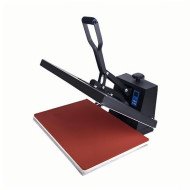
- Heat Transfer Printing: Applies vinyl or pre-printed transfer designs onto t-shirts using a heated press.
- Screen Printing: Utilizes stencils and mesh screens to manually or automatically apply designs in bulk.
Key Factors to Consider When Choosing a T-Shirt Printing Machine
1. Printing Volume and Speed
If your business handles high-volume orders, opting for industrial-grade machines that offer high-speed prints without compromising quality is essential. For small-scale businesses, compact DTG or heat transfer machines are more cost-effective and manageable while still delivering professional results.
2. Fabric and Design Compatibility
The type of fabric you plan to print on plays a critical role in machine selection. DTG and sublimation printers excel on lightweight fabrics like cotton and polyester, while screen printing machines handle thicker materials like canvas and denim.
3. Cost of Ownership
- Initial Cost: Advanced DTG printers can range between $15,000 and $50,000, while a reliable heat press is available within the $500-$2000 range.
- Maintenance: DTG printers may require frequent cleaning cycles and nozzle replacements, especially in humid environments.
- Consumables: Ink, vinyl transfers, or sublimation dyes must be factored into long-term costs.
4. Ease of Use and Upgradability
For beginners, machines with intuitive interfaces and streamlined workflows minimize the learning curve. Additionally, consider equipment with modular components that allow for upgrades as your production demands grow.
Top T-Shirt Printing Techniques: A Comparison
| Technique | Pros | Cons |
|---|---|---|
| Direct-to-Garment (DTG) | High detail, vibrant colors, suitable for small-batch production. | Higher initial costs and slower on bulk orders. |
| Screen Printing | Cost-effective for bulk, excellent for block designs. | Requires stencils and is more labor-intensive. |
| Sublimation Printing | Durable prints with minimal setup time. | Limited to polyester fabrics. |
| Heat Transfer | Inexpensive, compact, and beginner-friendly. | Less durable and slower for higher volumes. |
Maintenance Tips for Prolonging Machine Lifespan
Maintaining your t-shirt printing machine ensures consistent output and stretches its service life. Here are industry-proven tips:
- Daily Cleaning: DTG printers require regular nozzle and head cleaning to prevent ink clogs.
- Temperature Control: For heat presses, monitor heating plates to avoid uneven prints.
- Lubrication: Screen printers with manual components benefit from occasional oiling for seamless movement.
- Software Updates: Update firmware for optical alignment enhancements on machine tracking systems.
- Storage Solutions: Store your machine in humidity-controlled environments to prevent mold or material degradation.
Final Verdict on T-Shirt Printing Machines
Investing in the right t-shirt printing machine is a decisive factor in the long-term success of your custom apparel business. Analyze your printing needs—be it DTG for detailed prints, sublimation for durable designs, or screen printing for bulk orders—and prioritize ease of use, scalability, and maintenance. Remember, the perfect machine doesn’t just amplify productivity; it future-proofs your business against shifting market demands.