
Sustainable material trends pushing t-shirt printer use for recycled-fabric and eco-friendly garment lines

Struggling to Keep up with the Latest in Eco-Friendly Fashion? You"re Not Alone.
As a t-shirt printer or apparel brand, have you noticed a shift towards sustainability? More customers are demanding eco-conscious options, and brands are adjusting fast. If you"re wondering how to stay competitive and align with these trends, the answer lies in adopting new materials and advanced printing techniques that support recycled fabrics and eco-friendly garments. Let"s explore what"s driving this change and how you can leverage it for your business.
Understanding the Rise of Sustainable Materials in T-Shirt Printing
Over recent years, sustainable materials have moved from niche to necessity. Consumers want brands that prioritize environmental impact, and the use of recycled fabrics is turning into a major selling point. But what exactly are these materials, and how are they tested for quality and durability?
What Are Recycled Fabrics?
- Recycled Polyester: Made from plastic bottles or textiles, this fabric reduces waste and carbon footprint.
- Organic Cotton: Grown without chemical pesticides, it's a healthier choice for the environment and consumers.
- Bamboo and Hemp: Fast-growing plants that need minimal water, ideal for eco-conscious apparel.
Integrating these into your designs isn"t just about materials — it"s about storytelling. Consumers love brands transparent about their eco efforts.
How Sustainable Trends Are Reshaping T-Shirt Printer Use
Traditional t-shirt printers often relied on standard inks and fabrics. But now, innovations in both are fueling a new wave of eco-friendly production lines. Here's how this change is happening.
Advances in Eco-Friendly Inks
- Water-Based Inks: Generate fewer emissions and are biodegradable.
- Plastisol-Free Options: Reduce reliance on PVC-based inks, minimizing environmental impact.
- Natural Pigments: Derived from minerals and植物, offering vibrant colors while being safe for the planet.
Switching to these inks supports recycled and organic fabrics and aligns your brand with sustainable practices.
Printer Technology Supporting Eco-Friendly Garment Lines
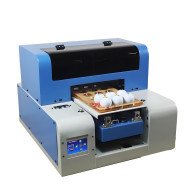
Not all printers are equal when it comes to eco-conscious production. Modern t-shirt printers like the A3 DTG Printer are designed specifically for these trends.
- Fewer Waste Products: Minimize fabric wastage through precise printing capabilities.
- Lower Energy Consumption: Newer models are energy-efficient, reducing your overall environmental footprint.
- Compatibility with Various Eco Materials: Support for recycled fabrics and natural fibers.
Investing in such technology ensures you"re not just keeping pace but leading the change towards sustainable apparel manufacturing.
Implementing Sustainable Fabric Lines in Your Business
Transitioning to eco-friendly products might seem challenging at first, but it"s straightforward with the right approach:
- Source Recycled and Organic Fabrics: Build relationships with suppliers specializing in sustainable textiles.
- Optimize Your Printing Process: Choose printers compatible with eco-friendly inks and sustainable materials.
- Train Your Team: Educate staff on sustainable practices and the benefits of recycled fabrics.
- Promote Your Eco Efforts: Highlight your green initiatives through marketing channels to attract conscious consumers.
For example, I recently spoke with a local brand that shifted to recycled cotton tees. They saw their sales increase as customers appreciated their commitment to sustainability. They used eco inks and a newer printer like the A3 DTG Printer for high-quality design printing on recycled fabrics.
Technology and Trends Driving the Future of Eco-Friendly Garment Production
The future of sustainable t-shirt printing is bright. Here"s what's trending now and what"s coming next:
- On-Demand Printing: Reduces waste by producing only what"s ordered.
- Bio-Based Inks: Made from renewable resources that break down naturally.
- Smart Labeling: Tracking the eco-footprint of each product for transparency.
- Innovations in Fabric Recycling: Breakthroughs that turn old garments into new textiles seamlessly.
Staying ahead means adopting these trends early. Investing in technology that supports eco-friendly materials, like state-of-the-art printers, can set you apart.
FAQs about Sustainable Material Trends in T-Shirt Printing
1. Can I print on recycled fabrics without damaging the material?
Yes, modern printers like DTG (Direct to Garment) systems are designed to print delicately on recycled fabrics without compromising quality. Just ensure you choose compatible inks and settings.
2. Are eco-friendly inks as vibrant and durable as traditional inks?
Absolutely. Advances in bio-based and water-based inks mean you get vibrant colors and lasting prints that meet or exceed conventional standards.
3. How do I source sustainable fabrics for my apparel line?
Look for certified suppliers specializing in organic, recycled, or natural fibers. Building relationships with reputable vendors ensures quality and consistent supply.
4. Is transitioning to eco-friendly printing cost-effective?
While initial investments in eco inks and advanced printers might seem higher, long-term savings on waste reduction and marketing benefits can outweigh costs.
5. What are some eco-friendly brands succeeding today?
Brands like Patagonia and Tentree are proving that sustainability boosts reputation and sales. Smaller brands using recycled fabrics and eco inks are also gaining ground fast.
Switching to sustainable material trends really makes sense in today"s market. If you"re ready to upgrade your printing setup, check out the A3 DTG Printer — designed for eco-conscious production and high-quality results. Engaging with these trends now ensures your brand stays relevant and responsible for the future.
















Leave a Comment