
Sustainable material experiments accelerating with UV printer compatibility across recycled substrates

Struggling to Make Your Sustainable Material Experiments Stick?
If you're constantly working on eco-friendly projects, you know how tricky it can be to find the right materials and methods. Are your sustainable materials not reproducing well? Or maybe the printing process isn"t as compatible with recycled substrates as you'd like? Well, you"re not alone. Many manufacturers and designers face these roadblocks when trying to scale eco-conscious products.
Recently, I started experimenting with recycled substrates for a client"s project. We wanted the final product to be as environmentally friendly as possible, but our traditional printing methods kept giving inconsistent results. That"s when I discovered how UV printer compatibility with recycled substrates is changing the game. And honestly, it"s a real breakthrough in sustainable material experiments.
Understanding UV Printer Compatibility with Recycled Substrates
Why Is This Such a Big Deal?
UV printing is known for its durability, high-quality finish, and fast curing time. But what really makes it stand out in eco-friendly manufacturing is its ability to print on a wide variety of materials, especially recycled and less conventional ones.
Traditional printers often struggle with porous or uneven surfaces, which are common with recycled substrates. UV printers, however, use ultraviolet light to instantly cure ink, allowing it to adhere well even on rough or recycled surfaces. That means better ink adhesion, fewer rejects, and more consistent results — all crucial for sustainable material experiments.
How Compatibility Accelerates Your Experiments
- Expanded Material Palette: You can now print on paper, plastic, glass, metal, and composites made from recycled content.
- Reduced Waste: Fewer failed prints mean less material waste and faster prototyping cycles.
- Enhanced Finishes: The high-quality, glossy, or matte finishes achievable help elevate eco-friendly designs without compromising aesthetic appeal.
- Cost-Effective Scaling: Once you've nailed the process, scaling your projects becomes more practical and economical.
It"s like chatting with a friend who just cracked a code in sustainable design—suddenly, everything clicks into place. This compatibility makes it easier to test new ideas, iterate faster, and push eco-innovation forward.
Choosing the Right UV Printer for Recycled Substrates
Key Factors to Consider
- Material Compatibility: Confirm that the printer can handle recycled cardboard, PET, or composite materials.
- Print Resolution: Higher DPI settings offer finer detail for intricate designs or branding on eco-friendly packaging.
- Speed and Throughput: For larger runs, a fast printer reduces bottlenecks.
- Ease of Use and Maintenance: Look for user-friendly features—especially important when experimenting with new substrates.
- Environmental Features: Some printers are designed to minimize VOC emissions, aligning better with sustainability goals.
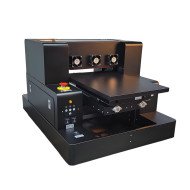
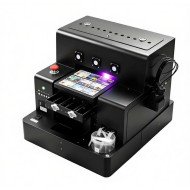
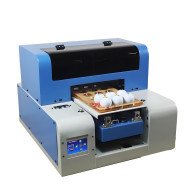
For many of us, finding the perfect machine can feel overwhelming. During my research, I found that the Spot UV Printing Machine offers excellent compatibility with recycled materials, plus it delivers a glossy finish that makes eco-printed products pop.
Best Practices for Accelerating Sustainable Material Experiments
Walkthrough Tips
- Test Various Recycled Substrates: Not all recycled materials will behave the same. Start with small batches to find optimal settings.
- Adjust Ink Settings: Optimal curing and adhesion often require tweaking ink flow, curing time, and thickness.
- Pre-Treat Surfaces: Some recycled substrates benefit from light surface treatments to improve ink adhesion.
- Use High-Quality UV Inks: Invest in eco-friendly, low-VOC UV inks designed for recycled or porous surfaces.
- Document Your Experiments: Track what works and what doesn"t. This will save time and help with scaling.
Think of it as refining your recipe—you tweak, test, and optimize until you get that perfect finish. I did this with a batch of recycled paper hanging on the wall, and after a few adjustments, the results looked amazing—no smudges or peeling.
Future of Sustainable Printing with UV Compatibility
What"s Next?
The technology is only getting better. As UV printers become more adaptable and environmentally friendly, so will our options for sustainable material experiments.
Many businesses are now investing in printers that are explicitly designed for recycled and biodegradable substrates. Expect to see more innovation, like printer heads optimized for porous surfaces or inks formulated to be even greener.
This progress means you'll be able to push your sustainability goals further, creating eco-friendly designs that perform as well as conventional options—and sometimes better.
FAQs About UV Printing and Recycled Substrates
- Can any UV printer print on recycled materials?
Not necessarily. Make sure the printer is compatible with porous or irregular surfaces. Check the manufacturer specifications. - Is UV printing eco-friendly?
Yes, especially when using eco-certified inks. UV printing itself reduces waste and energy consumption compared to traditional methods. - What are common recycled substrates suitable for UV printing?
Recycled cardboard, PET plastic sheets, glass, and composite materials are often compatible. - How do I prepare recycled substrates for printing?
Lightly clean or lightly sand rough surfaces; consider applying a primer if needed—test small batches first. - Can I upgrade my existing printer for better compatibility?
Some printers allow upgrades or modifications. Consult with the manufacturer or a professional to ensure compatibility and avoid damage.













Leave a Comment