
Sustainability takes centre stage with uv printer machines slashing energy use and VOC emissions by 70%
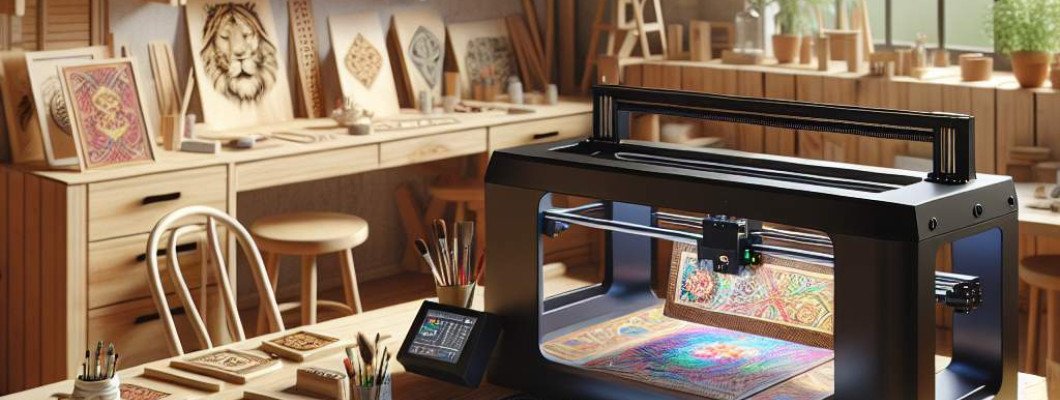
Struggling to make your printing business more sustainable while staying profitable?
If so, you"re not alone. Many companies are looking for ways to reduce their environmental impact without sacrificing quality or efficiency. With growing pressure to cut down on energy use and emissions, it"s no surprise that UV printer machines are becoming the go-to solution for eco-conscious printing. Recently, I had a chat with a fellow printer who was skeptical at first but then was blown away by how much these machines can slash VOC emissions and energy consumption—by up to 70%. Pretty impressive, right?
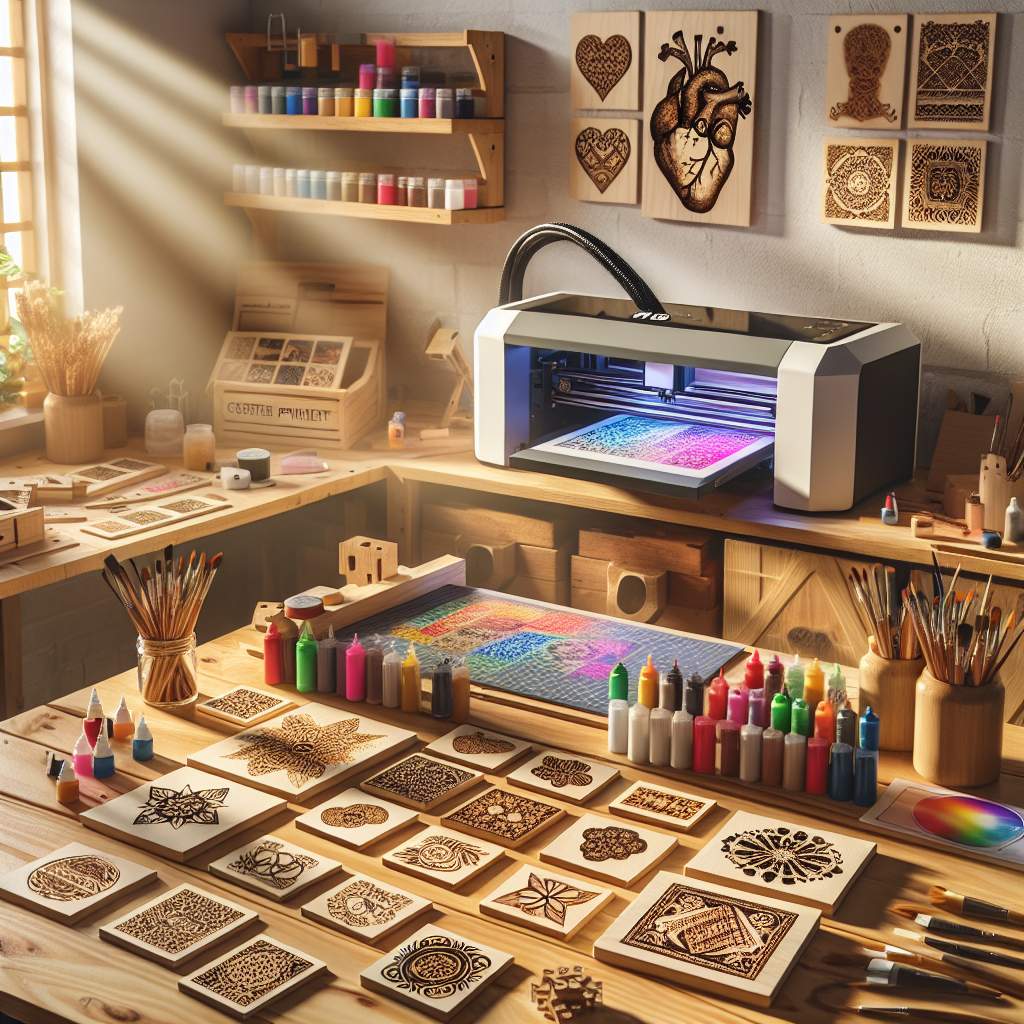
Why Sustainability Now Is Non-Negotiable in Printing
The Shift to Eco-Friendly Technologies
Environmental concerns are no longer just buzzwords—they"re reshaping industries. Consumers now prefer brands that prioritize sustainability, and regulations are tightening around emissions. For printers, this means adopting greener solutions isn"t optional; it"s essential for survival. UV printing technology aligns perfectly with this shift, offering significant reductions in VOCs (volatile organic compounds) and energy use.
How UV Printer Machines Are Leading the Green Revolution
Cutting Energy Use by Up to 70%
Imagine slashing your energy bills and environmental footprint at the same time. UV printers are highly efficient because they use LED or UV lamps that cure ink instantly—cutting down power demand compared to traditional solvent-based printers. Plus, newer models have optimized power management features, making their operation incredibly energy-efficient. This isn"t just good for the planet; it"s great for your bottom line.
For example, a small business owner I know switched to a UV printer and noticed his energy costs drop immediately. It also reduced his cooling needs because these machines emit less heat. And because they cure ink instantly, workflow speeds up—more profit for less energy.
Reducing VOC Emissions by Up to 70%
VOC emissions are a big deal because they contribute to air pollution and pose health risks. Traditional solvent-based inks release high levels of VOCs, which many workplaces struggle to control. UV inks, on the other hand, are almost VOC-free—meaning they emit much less harmful chemicals into the environment. This compliance boost can open doors to new markets and clients who prioritize sustainability.
One user told me that switching to UV inks helped her meet strict air quality standards and attract eco-conscious customers. It"s a win-win.
The Benefits of Investing in Eco-Friendly UV Printing Technology
Enhanced Image Quality and Durability
Many think going green means sacrificing quality. Not true with modern UV printers. These machines produce vibrant, sharp images that last longer because the ink cures instantly and adheres better to various surfaces. Clients notice the difference, and it helps you stand out from the competition.
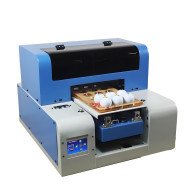
And if you"re wondering about the details, check out this impressive product: Spot UV Printing Machine Glossy UV Coating Printer.
Lower Operating Costs and Faster Turnaround
Think about it—less energy consumption means lower utility bills. Plus, quick curing lets you complete jobs faster, reducing lead times and increasing throughput. When you use less material waste and less energy, your overall costs go down.
One small shop I know adopted UV technology and nearly doubled their daily output without increasing their energy bill. They also cut down on messy chemical handling—saving time and reducing hazards for staff.
Real Users, Real Results: Making the Switch
Case Study: A Local Sign Shop Goes Green
Jane runs a busy signage shop and was concerned about compliance and costs. She decided to invest in a UV printer. Within months, she saw a 65% reduction in VOC emissions and a 40% cut in energy bills. Her clients appreciated her eco-friendly approach, and she won several new contracts. This shift also improved her team"s working environment, reducing chemical odors and potential health issues.
Top Tips for Transitioning to Sustainable UV Printing
- Research and compare models: Look for printers with high energy efficiency and low VOC emissions.
- Training is key: Ensure your team understands how to operate and maintain UV machines properly for optimal results and safety.
- Evaluate your workflow: Integrate UV printing into your production line to maximize speed and efficiency.
- Communicate your green efforts: Share your sustainability story with customers—this can boost your brand reputation.
- Partner with suppliers: Work with makers of eco-friendly inks and materials to enhance your sustainability goals.
FAQs about Eco-Friendly UV Printer Machines
1. Are UV printers really more eco-friendly than traditional printers?
Yes, especially because they use less energy, produce fewer VOCs, and generate less waste. They also cure instantly, reducing the need for chemicals and solvents.
2. Can I print on different surfaces with UV printers?
Absolutely. UV printers can print on a wide variety of materials—plastic, glass, metal, wood, and more—making them versatile for many applications.
3. What"s the typical lifespan of a UV printer?
Most high-quality UV printers last 5-10 years with proper maintenance, making them a smart long-term investment for sustainable operations.
4. Does switching to UV printing require a big upfront investment?
While the initial cost can be higher than traditional printers, the savings in energy, materials, and increased productivity often outweigh the expense over time.
5. How can I ensure my UV printing process remains eco-friendly?
Use certified eco-friendly inks, maintain your machine regularly, and implement recycling and waste management practices for used materials.
```













Leave a Comment