
Sustainability Meets Style: The Role of DTG Printing in Eco-Friendly Fashion
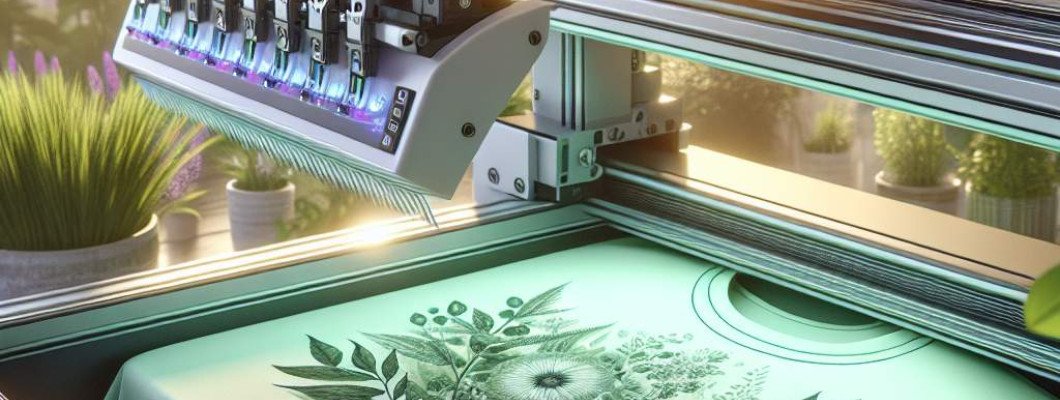
Are You Struggling to Make Your Fashion Line More Eco-Friendly?
If you"re in the apparel business, you"ve probably heard about sustainability and how it"s reshaping the industry. But just talking about eco-friendliness isn"t enough — you want real results that align with your style and your values. That"s where DTG printing (Direct-to-Garment) technology comes in. Combining **sustainability with style**, DTG offers a game-changing way to produce eco-friendly fashion without compromising on quality or creativity.
What Is DTG Printing and Why Does It Matter?
DTG printing is a digital textile printing method that applies ink directly onto fabric. Unlike traditional screen printing, which requires creating stencils and often uses more water and chemicals, DTG is much cleaner and more efficient. It uses water-based inks that are environmentally friendly, which means less waste and fewer pollutants going into our environment. In simple terms, DTG printing lets you print full-color designs directly onto clothing with minimal waste and energy.
Benefits of DTG Printing in Eco-Friendly Fashion
- Less Water Waste: Traditional screen printing can use hundreds of gallons of water per design, whereas DTG uses significantly less, making it a more sustainable option.
- Lower Chemical Use: Water-based inks are gentle on the environment compared to plastisol inks used elsewhere.
- Reduced Waste: DTG prints on demand, so you produce only what"s ordered, cutting down on excess inventory and scraps.
- High-Quality Images: Vivid, detailed designs are achievable, satisfying style-conscious customers.
- Fast Turnaround: Digital workflows mean quicker production times, supporting eco-friendly fast fashion principles.
How DTG Printing Fits Into Eco-Friendly Fashion Trends
More consumers are demanding sustainable options, and brands that adopt eco-conscious methods stand out. Using DTG printing aligns perfectly with these trends because it allows you to offer custom, on-demand products without the heavy environmental toll of traditional methods. Imagine chatting with a friend about your latest eco-friendly collection—how you can quickly turn a concept into a product with minimal waste, thanks to DTG tech.
Switching to DTG: What You Need to Know
If you"re considering making the switch, here are some key points:
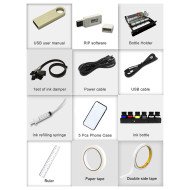
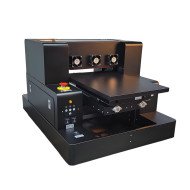
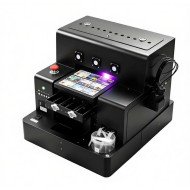
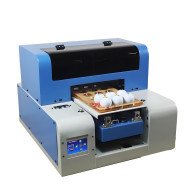
- Initial Investment: You need a quality DTG printer (like this A3 DTG Printer) which may seem costly upfront but saves money in the long run.
- Fabric Compatibility: Works best with cotton and poly-cotton blends. Be mindful of fabric choices for optimal results.
- Design Flexibility: Print photorealistic images or simple logos — DTG adapts to various styles easily.
- Maintenance & Upkeep: Regular cleaning of your print heads keeps quality high and waste low.
The Real Impact: Turning Eco Values Into Profit
Many brands are already seeing the benefits. One startup I recently chatted with switched to DTG for their eco-conscious streetwear line. They noticed a 30% reduction in waste right away and received incredibly positive feedback from customers wanting sustainable options. Plus, the ability to print small batches means less unsold inventory, which ultimately saves costs. It"s a win-win for their brand reputation and the planet.
Getting Started with Sustainable Fashion Using DTG
If you"re ready to step into eco-friendly apparel production, here"s a quick plan:
- Assess your fabric options — focus on natural, organic, or recycled materials.
- Invest in a reliable DTG printer — consider models like this A3 DTG Printer for high-quality results.
- Design with sustainability in mind — use artwork that resonates with eco-conscious consumers.
- Source environmentally friendly inks and dyes.
- Implement on-demand printing to reduce waste and overproduction.
FAQs About DTG Printing and Eco-Friendly Fashion
1. Can DTG printing really make my fashion line sustainable?
Yes. DTG reduces water, chemical use, and waste compared to traditional methods, making it a more eco-conscious choice when paired with sustainable fabrics.
2. How durable are DTG-printed designs?
Modern water-based inks are highly durable, with proper washing instructions maintaining the vibrant prints through many washes.
3. Is DTG suitable for all types of clothing?
It works best on cotton and blends, but advances in technology are expanding its compatibility. Check your fabric before printing to ensure good adhesion and quality.
4. What is the turnaround time for a DTG print?
Typically faster than screen printing, especially for small batches. You can often produce a single shirt within a few hours after design approval.
5. How can I market my apparel as eco-friendly?
Highlight your use of sustainable fabrics and environmentally friendly inks. Share your commitment to sustainability on social media and through your product storytelling.













Leave a Comment