
Sustainability mandates push retailers toward UV printer solutions to reduce VOC emissions and waste
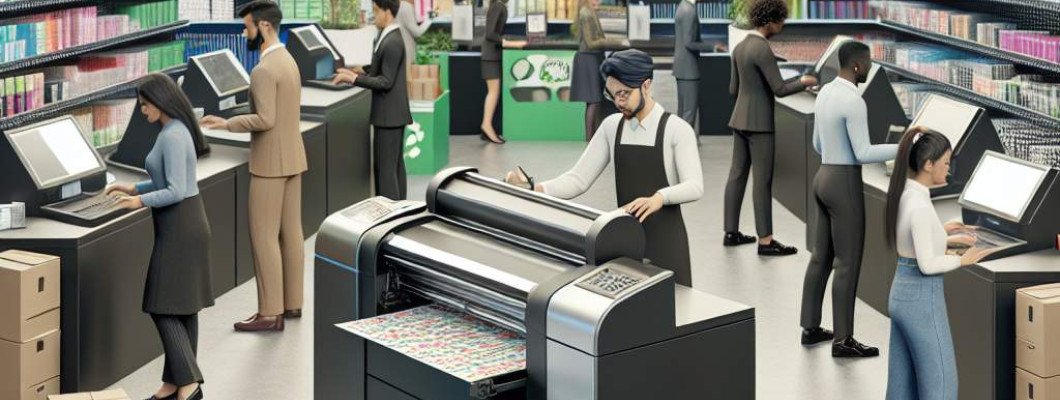
Are You Struggling to Meet Sustainability Goals in Retail Printing?
If you're in retail and dealing with the pressure to cut down on emissions and waste, you"re not alone. Many business owners are asking: how can I stay competitive while adhering to new environmental mandates?
Well, the answer might be easier than you think. UV printer solutions are gaining popularity because they help retailers cut VOC emissions and reduce waste—two crucial sustainability targets today. If you"re curious about how this technology works and how it can benefit your business, keep reading.
Why Are Sustainability Mandates Changing the Retail Printing Landscape?
Governments and industry regulators worldwide are imposing stricter rules on VOC emissions and waste disposal. These are not just recommendations; they are mandates aimed at protecting the environment and public health. Retailers, especially those printing labels, packaging, signage, and promotional items, are feeling the squeeze to adapt quickly.
Traditional printing methods often involve solvents and chemicals that release VOCs—volatile organic compounds—into the atmosphere. Additionally, leftover ink, misprints, and inefficient processes generate waste that"s costly and harmful. The push for sustainability is more than just a trend; it"s a necessity for businesses that want to future-proof themselves.
Integrating eco-friendly technologies like UV printers can help you meet or even exceed these new standards while maintaining high quality and efficiency.
How Do UV Printer Solutions Help Retailers Meet Sustainability Goals?
1. **Reduction of VOC Emissions**
UV printers use ultraviolet light to instantly cure ink on substrates. Unlike solvent-based inks, UV inks are solvent-free, so they produce little to no VOC emissions. That means less air pollution and a safer workspace for your team.
2. **Minimized Waste and Higher Efficiency**
With UV technology, ink dries instantly. This reduces overspray, smudging, and mistakes. If something goes wrong, cleanup is fast, encouraging less waste. Plus, you can print directly onto various surfaces, reducing the need for multiple printing steps or additional materials.
3. **Versatility and Material Compatibility**
UV printers work on a wide range of materials—plastics, metal, glass, wood, and more. This flexibility means you can take on diverse projects without compromising on quality or sustainability.
4. **Energy Efficiency**
Many UV printers are designed to be energy-efficient, which reduces your overall carbon footprint. They also tend to have lower maintenance needs, prolonging machine lifespan and reducing waste from parts and consumables.
Real-World Example: Transforming Retail Signage with UV Printing
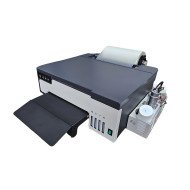
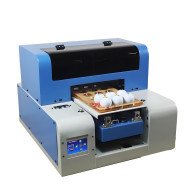
Let me tell you about a friend, Sarah, who runs a small retail store chain. She decided to switch to UV printing after her local government announced new regulations. Initially, she was worried about costs and learning curves. But she found that investing in a UV printer like the Glossy UV Coating Printer paid off.
Within months, Sarah"s shop reduced VOC emissions by 70%. Moreover, she was able to print more vibrant signage directly onto her store windows, shelves, and packaging—all with less waste. Her customers loved the eco-friendly message, which also gave her a marketing edge.
This story shows that switching to UV solutions isn't just good for the environment—it can boost your brand"s reputation and save you money in the long run.
Choosing the Right UV Printer for Your Retail Business
Not all UV printers are created equal. When evaluating options, consider these points:
- Size and Throughput: Make sure the machine fits your workspace and can handle your order volume.
- Material Compatibility: Check if the printer supports the substrates you commonly work with.
- Print Quality: Look for high-res capabilities to ensure your products look professional.
- Ease of Use: User-friendly interfaces reduce training time and errors.
- Cost and ROI: Balance upfront investment with the savings on materials and compliance.
For many retail projects, the Glossy UV Coating Printer offers a compelling mix of speed, quality, and eco-friendliness, making it a smart choice.
How to Integrate UV Printing in Your Business Workflow
Start small. Test out UV printing on a few projects to assess quality and turnaround times. Train your staff thoroughly—UV printing is straightforward but benefits from proper handling. Gradually expand your offerings, emphasizing your commitment to sustainability to attract eco-conscious clients.
Think about combining UV printing with digital marketing. Use eco-friendly signage as a selling point to differentiate yourself from competitors who still rely on traditional methods.
Finally, stay updated with local regulations and industry standards. As sustainability requirements evolve, keeping ahead will give you a competitive edge.
FAQs About UV Printer Solutions for Retail Sustainability
1. Are UV printers cost-effective for small retail businesses?
Yes, especially considering long-term savings on waste, compliance fines, and energy costs. They also open up new earning opportunities with eco-friendly products.
2. How much space do I need for a UV printer?
Many models are compact, but size varies. Check your available workshop space and choose a model that fits comfortably.
3. Can UV printers print on irregular surfaces?
Absolutely. UV technology excels at printing on non-flat surfaces like bottles, curved promotional items, and textured materials.
4. Is training necessary to operate UV printers?
Most models are user-friendly, but some training ensures you get the best results and maintain the equipment properly.
5. How quickly can I see ROI after switching to UV printing?
Generally within a few months, especially if you tap into the marketing angle of eco-friendliness and reduce waste costs.













Leave a Comment