
Stop Struggling with Vinyl: How UV DTF
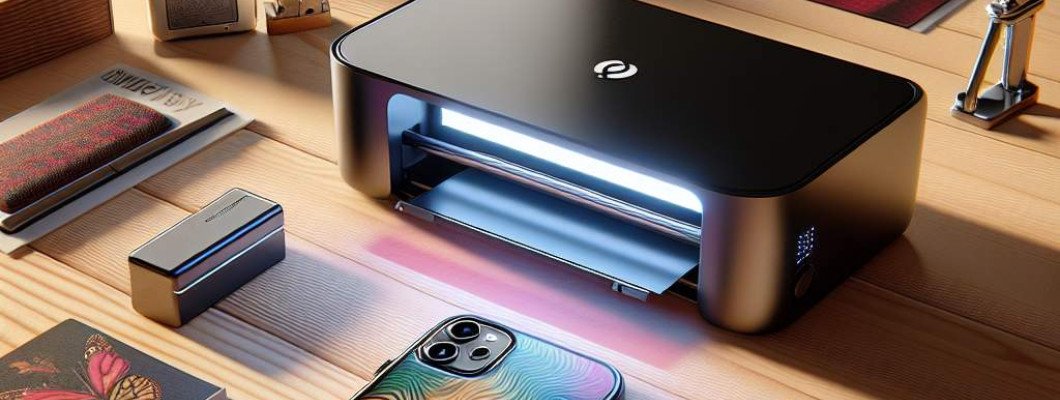
Are you tired of struggling with traditional vinyl transfers that crack, peel, or fade after just a few washes? Do you wish there was a more efficient, vibrant, and durable way to print custom designs on apparel and various surfaces? If so, you"re not alone. Many businesses and hobbyists face frustrations with conventional vinyl techniques, but there"s good news — UV DTF technology is changing the game.
Understanding the challenges of vinyl printing is the first step toward finding better solutions. Vinyl requires precise cutting, careful alignment, and often struggles with complex designs or gradients. Plus, the durability can be questionable over time, especially when exposed to washing or UV rays. These issues can slow down production, increase costs, and limit creativity.
What Is UV DTF and How Does It Improve Vinyl Printing?
UV DTF, or Ultraviolet Digital Transfer Film, is a revolutionary printing method that combines digital printing with UV-curable inks and transfer films. This process allows for full-color, high-resolution prints that can be transferred onto a variety of surfaces — textiles, plastics, metals, and more — with exceptional durability. Unlike traditional vinyl, UV DTF doesn"t require intricate cutting or weeding processes, saving you time and effort.
Here"s how UV DTF benefits you:
- Vibrant, detailed images with smooth gradients and bright colors.
- High durability resistant to cracking, peeling, and fading, even after multiple washes or outdoor exposure.
- Versatility suitable for different materials and irregular shapes.
- Cost-effective because it reduces material waste and minimizes labor-intensive steps.
- Fast production cycles allowing quick turnaround times for custom orders.
How to Start Using UV DTF: Essential Tips for Beginners
If you"re new to UV DTF, the transition might seem daunting, but with the right approach, it becomes straightforward. Here's a step-by-step guide:
1. Invest in Quality Equipment
Choose a reliable UV printer designed for DTF or UV printing. Look for features like adjustable print heads, high-resolution output, and compatible inks. For DTF transfers, an UV printer that can handle transfer films and supports UV-curable inks is ideal. Explore options at this link.
2. Use Compatible Transfer Films and Inks
The success of UV DTF depends on the quality of transfer films and UV inks. Use high-quality, flexible films that can conform to different surfaces. UV inks should be fast-curing, vibrant, and compatible with your printer"s specifications.
3. Master the Design and Printing Process
Design your graphics with high resolution, avoiding overly tight details that might clog the small nozzles. Adjust print settings for optimal ink deposition and color accuracy. Perform test prints to calibrate and ensure consistency.
4. Perfect Your Transfer Technique
Apply the printed transfer onto your target surface using a heat press or UV curing method, depending on the type of transfer film used. Proper pressure and temperature ensure a seamless bond.
5. Test for Durability and Finish
After transferring, test your finished product for adhesion, flexibility, and durability. Make adjustments to your process as needed for best results.
Common Mistakes to Avoid with UV DTF
- Poor alignment causing distortion — always double-check your registration before pressing.
- Using low-quality transfer films which can result in cracking or peeling over time.
- Incorrect curing parameters leading to incomplete adhesion or smudging.
- Neglecting surface preparation — ensure surfaces are clean and dry for optimal transfer.
- Ignoring maintenance — regular cleaning of the printer and parts prevents clogs and maintains quality.
Why More Creatives Are Choosing UV DTF Over Vinyl
The shift towards UV DTF isn"t just a trend — it"s a strategic move for many businesses seeking higher quality, more flexible solutions. Unlike vinyl, which is rigid and limited in design complexity, UV DTF can produce intricate images, soft finishes, and multi-layered designs with ease.
For example, imagine chatting with a friend who runs a custom apparel store. She"s frustrated with her vinyl cutter constantly breaking down and limited design options. Switching to UV DTF changed her business, enabling her to produce eye-catching, durable apparel without the hassle. She now offers full-color photos, complex logos, and varied textures — all without extra equipment or time-consuming processes.
Key Benefits of UV DTF for Your Business
- Expand your product range with high-resolution, multi-colored designs.
- Reduce waste because UV DTF uses minimal material and rework is easier.
- Increase profit margins with faster turnaround times and less labor.
- Achieve higher customer satisfaction with long-lasting, vibrant prints that stand the test of time.
- Stay ahead of competitors by offering innovative products made possible by UV DTF technology.
FAQs About UV DTF Technology
1. Is UV DTF suitable for small business or hobbyist use?
Absolutely. While it requires an initial investment, UV DTF can be scaled for small runs or personal projects, providing professional quality without needing extensive setup.
2. How durable are UV DTF prints compared to traditional vinyl?
UV DTF prints are highly resistant to cracking, peeling, and fading, often lasting as long as the surface they"re applied to, making them more durable than typical vinyl transfers.
3. Can UV DTF be used on different surfaces beyond fabric?
Yes. UV DTF is versatile and can transfer onto plastics, metals, glass, wood, and other materials, expanding your creative options.
4. What are the maintenance requirements for UV printers used in DTF?
Regular cleaning of print heads and calibration checks are essential to maintain high-quality output. Follow your printer manufacturer"s maintenance recommendations.
5. Is the UV DTF process environmentally friendly?
It tends to produce less waste and uses fewer harmful solvents compared to some traditional printing methods, making it a greener choice for your business.














Leave a Comment