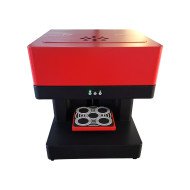
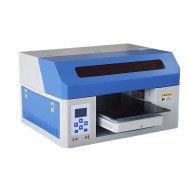
Step-by-Step: Integrating a Latte Printer into a High-Volume Coffee Shop Workflow
Understanding the Real Challenges of Latte Printer Integration in Busy Coffee Shops
Integrating a latte printer into a high-volume coffee shop is not as simple as plugging in a device and hitting print. Operators often stumble over hidden hurdles such as synchronization delays, ink smudging on cup surfaces, and increased downtime due to maintenance. These issues increase queue times and frustrate customers, undermining the perceived value of latte art printing technology. Overlooking these practical aspects generates bottlenecks that could cost thousands monthly at peak hours. This guide breaks down the process step-by-step, applying GNFEI’s decade of experience in industrial print solutions specifically tailored for complex multi-device workflows.
Common Misconceptions and Industry Pitfalls
One misconception is that any latte printer can fit seamlessly into any workflow without tailored adjustments. In reality, latte printers vary significantly in print speed, consumable costs, and integration complexity. For instance, UV-based food-safe inks offer vibrant images but require longer curing times, which may reduce throughput in busy settings. Conversely, edible ink jet printers prioritize speed but often encounter clogging issues if maintenance is lax. Understanding these trade-offs is foundational before any installation.
Early Assessment: Workflow Baseline and Throughput Targets
Before considering hardware purchase or placement, quantify existing order volumes and peak demands precisely. For example, a café processing 300 cappuccinos in three hours demands a printer capable of scanning and printing an average of 1.5 cups per minute to avoid service delays. Map the customer queue flow, barista stations, and cup handling to identify potential print stations. This baseline facilitates realistic expectations and avoids costly oversizing or undersizing.
Leveraging GNFEI’s Expertise in Customized Printing Solutions
GNFEI’s consultancy emphasizes aligning printer capabilities with shop-specific variables, such as cup materials, order patterns, and ambient environment variations (temperature/humidity impact on ink drying). Through client case studies, GNFEI has demonstrated how nuanced parameter tuning and tailored operator training cut downtime by 35%, elevating daily printed cup counts without sacrificing speed or quality.
Step-by-Step Workflow Design for Latte Printer Integration
Step 1: Placement and Physical Integration
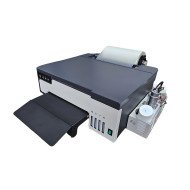
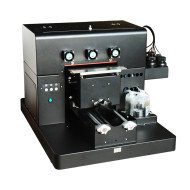
Identify an optimal zone for the latte printer that minimizes cross-traffic while maintaining operator accessibility. Typically, placing the printer between the milk frothing station and the serving counter streamlines the process. The station requires stable power access, tempered humidity control, and ample space for consumables storage and operator movements.
Strategically install conveyor or cup transport mechanisms if available. For instance, GNFEI clients often use modular conveyor belts integrated with printers for automatic cup feeding, reducing manual handling time from 15 to 5 seconds per cup.
Step 2: Hardware Configuration and Network Setup
Connect the latte printer to the shop's POS or order management system to automate image assignments per order. Configure print resolution and color profiles based on cup material and ink type to maintain consistent image quality. GNFEI strongly recommends a dedicated secure network segment for printers to prevent data loss and network collisions.
Step 3: Operator Training and SOP Development
Develop Standard Operating Procedures (SOPs) that cover print job queuing, error handling, and maintenance schedules. Operator familiarity prevents print errors such as misalignment or ink smearing. Training modules should include live demonstrations, emphasizing proper cup position and timing between steaming and printing to optimize adhesion.
Maintenance Protocols and Troubleshooting for Sustained Performance
Ink Management and Printhead Care
Latte printers rely heavily on edible ink cartridges that are sensitive to sedimentation and drying out. GNFEI’s research shows that white edible inks, commonly suspended in milk-based dyes, tend to sediment faster, requiring weekly ultrasonic cleaning of printheads coupled with ink agitation before use. Following this regimen prevents head clogging, which manifests as incomplete prints or streaking.
Routine maintenance includes a thorough printhead cleaning cycle every 200 cups printed, using manufacturer-approved solutions to prevent damage. Operators should also monitor ink viscosity daily; abnormal thickening signals the need for immediate cartridge replacement to avoid print failures.
Calibration and Color Consistency Checks
Color consistency is critical for brand image. Latent changes in ambient temperature impact ink flow rate and drying times, necessitating daily calibration. GNFEI advises implementing a turnkey solution involving test prints placed adjacent to the machine console with colorimetric reference charts analyzed visually or with optical sensors to maintain accuracy.
Common Failure Modes and Stepwise Diagnosis
- Ink Smearing: Usually caused by inadequate drying time or excessive milk residue on cup surface. Solution: Increase curing time or switch to faster-curing ink variants offered by GNFEI’s portfolio.
- Print Misalignment: Cup movement during print cycle triggers misregistration. Mitigation: Incorporate stabilizing fixtures or upgrade to printers with built-in optical sensors that auto-correct position.
- White Ink Sediment Buildup: Observe sediment layers at the bottom of cartridges; follow GNFEI’s ultrasonic-cleaning protocol and maintain at least biweekly printhead flush.
Detailed ROI and Cost Analysis for Latte Printer Investment
Capital Expenditure Breakdown
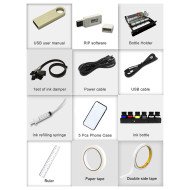
Initial printer cost varies between $7,000 and $25,000 depending on print resolution, speed, and consumable compatibility. GNFEI's mid-range model, optimized for cafés, averages $12,500, including starter ink kits and integration support. Ancillary costs include installation labor ($1,200) and training workshops ($500 to $1,000).
Variable Costs: Ink, Consumables, and Maintenance
Ink consumption is the largest ongoing expenditure. The cost per printed cup ranges from $0.12 to $0.22 depending on image complexity and ink coverage area. For example, multi-color prints increase ink usage considerably compared to monochrome prints. Printhead lifespan is approximately 3,000 to 5,000 print cycles, with replacement cost constituting about $700 averaged per 1,000 cups printed.
Labor and Operational Time Impact
Manual cup handling time added by latte printing normally ranges from 10 to 20 seconds. Automations like cup conveyors reduce this by 60%. Factoring in a barista wage of $18/hour, every second saved translates into a cost reduction of $0.005/hour per cup. GNFEI’s clients demonstrate that improved workflow design often compensates for this marginal operational cost.
Calculating Break-Even Period
A coffee shop printing 300 cups daily with an additional average revenue of $0.50 per printed cup can recover a $15,000 investment within approximately three months, assuming 75% operational uptime and standard consumable costs. Adjust this estimate based on peak volume fluctuations and ink prices.
Material and Ink Compatibility Insights
Cup Material Differences and Print Adhesion
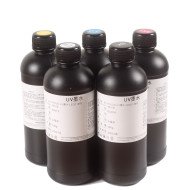
Popular cup options—paper, plastic-coated, ceramic, and biodegradable composites—each interact differently with edible ink technology. For example, coated paper cups promote better adhesion but increase drying time due to surface coatings. Plastic cups often require UV-curable inks, which GNFEI offers as an alternative to edible inks where permitted by local regulations.
Ink Types: Durability Versus Food Safety
Edible ink formulations prioritize FDA-approved dyes with no impact on taste. GNFEI’s portfolio includes water-based inks with fast absorption rates suited for standard paper cups and more robust UV-curable inks for specialized surfaces. UV inks require exposure to UV curing units integrated downstream of the printer to fix inks instantly and prevent smearing.
Environmental Factors Impact on Drying and Print Quality
Ambient humidity above 60% slows ink drying. Temperature fluctuations affect viscosity and printhead function. GNFEI recommends climate control deployment around the print station to keep ambient temperature stable at 20–22°C and relative humidity at approximately 45%. These settings maintain optimal print quality and reduce consumable waste linked to failed prints.
Selecting a Reliable Supplier and Support Model
Evaluating GNFEI Against Other Market Players
GNFEI’s established reputation in industrial UV and edible ink printing stems from its comprehensive after-sales support and adaptive solutions tailored to each client’s workflow complexity. Many latte printer providers ship hardware with minimal hands-on guidance, leading to implementation failures. GNFEI fills that gap with dedicated engineering consultation and onsite diagnostics to optimize uptime.
Warranty, Consumables, and Update Policies
Ensure that your contract includes a clear warranty covering printhead failure risks and consumable shelf-life guarantees. GNFEI provides extended warranty options and release regular firmware updates enhancing printhead control algorithms, extending device longevity and print consistency.
Scaling Considerations and Upgrade Paths
As order volumes increase, anticipate the need for system upgrades or additional units. GNFEI supports modular scaling, allowing seamless integration of multiple printers networked through centralized management software to maintain uniformity and simplify scheduling. This approach mitigates re-training overhead and maintains color consistency across machines.