
Smart manufacturing trends reshaping workshops where UV printer bridges digital design and physical output
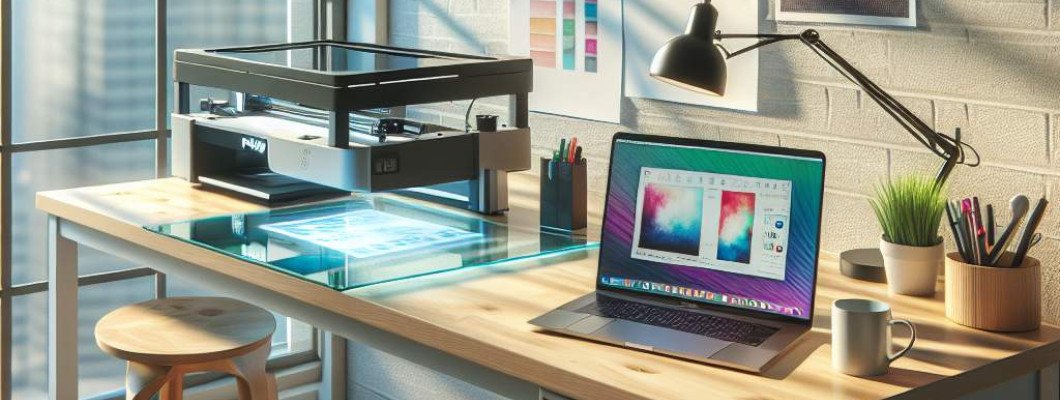
Struggling to keep up with the latest in manufacturing technology?
If you've ever felt overwhelmed by new trends or wondered how your workshop can stay competitive, you're not alone. The manufacturing world is changing fast, driven by smarter tools and digital innovations. One area that"s making a big difference is the integration of UV printers—bridging the gap between digital design and the real, physical world. Interested? Keep reading to find out how these smart manufacturing trends are reshaping workshops for the better.
Understanding Smart Manufacturing and Its Impact
What is smart manufacturing?
Smart manufacturing refers to the use of advanced technology—like IoT (Internet of Things), automation, AI, and digital printing—to create more efficient, flexible, and quality-focused production processes. It"s about making your workshop more connected and responsive. Instead of manual, slow methods, you get data-driven decision-making that boosts productivity.
Why is this important for workshops today?
- Faster turnaround times for orders
- Better customization options for clients
- Reduced waste and costs
- Increased flexibility in product design and manufacturing
This means you can stay competitive, meet client demands faster, and reduce operational costs—all vital in today's fast-paced market.
The Role of UV Printers in Modern Workshops
Bridge in digital design and physical output
Think about a time you wanted a unique, printed product, like customized signage or packaging. Traditional methods might require multiple steps and different machines. UV printers change that by printing directly onto a wide variety of surfaces in one go—whether glass, wood, plastic, or metal.
These printers use ultraviolet light to cure ink instantly, resulting in vibrant, durable prints with fine detail. The result? A seamless transition from digital design to finished quality—fast and accurate.
How UV printers are transforming workshop workflows
- On-demand production: Print what you need when you need it, without long setup times.
- High precision and quality: Sharp images, smooth finishes, and consistent results.
- Versatility in materials: Print on a variety of substrates, broadening your product range.
- Cost savings: Reduce the need for multiple machines and processes.
Imagine chatting with a friend who runs a gift shop—she recently switched to a UV printer and now offers customized products overnight. That"s the power of this technology in action.
Emerging Trends in Smart Manufacturing with UV Printing
Automation and smart integration
More workshops are adopting automation—think robotic arms or conveyor systems—integrated with UV printers. This creates a **smooth, semi-automatic workflow** from digital design to finished product. You can load designs, hit send, and walk away, confident the machine processes the job efficiently.
This trend also means better tracking of production progress, real-time quality checks, and fewer errors—making your workshop more reliable and scalable.
Advanced digital design tools
Design software is becoming more intuitive, with features like 3D previews and auto-correction. When coupled with UV printers, it enables rapid prototyping and custom batch runs. It"s perfect if you're working with clients who want personalized, high-quality products on short notice.
Eco-friendly and sustainable practices
Another trend is environmentally conscious manufacturing. UV printing uses less ink and produces less waste compared to traditional methods. Many workshops are also switching to energy-efficient UV systems, aligning with global sustainability goals.
Getting Started with UV Printing in Your Workshop
Assess your needs and space
Start by evaluating what products you want to produce and the surfaces you"ll print on. UV printers vary in size and capabilities, so choose one that matches your demand. Consider workflow integration—do you need automation or manual operation?
Choosing the right UV printer
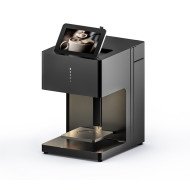
If you"re new, I recommend a versatile, easy-to-use model like this spot UV printing machine. It offers a good balance of quality, speed, and flexibility, perfect for small workshops venturing into digital printing.
Training and skill development
Invest in staff training to maximize the machine"s capabilities. Learning how to prepare digital files, maintain equipment, and troubleshoot issues will pay off in consistent quality and throughput.
Future Outlook: Why This Shift Matters
In the end, smart manufacturing trends—with UV printers as a core component—are reshaping workshops into high-tech, agile units. They let you meet modern demands, from personalized products to quick turnaround times, with less waste and more profit.
If you"re not adapting now, you risk falling behind. Embracing these innovations means you're not just keeping up—you"re leading the way in digital manufacturing. The future is here, and UV printers are proof that the physical and digital worlds are stronger together than ever before.
FAQs
1. What materials can UV printers print on?
UV printers can print on many surfaces, including glass, wood, metal, plastic, and even textiles. Their versatility makes them suitable for a broad range of industries.
2. How much does a good UV printer cost?
Prices vary depending on size and capabilities, but entry-level models start around a few thousand dollars, with professional-grade machines costing much more. The investment is worthwhile if it boosts your product quality and throughput.
3. What are the maintenance requirements for UV printers?
Regular cleaning, ink replacement, and system checks are needed. Most manufacturers provide maintenance guides, and training helps keep your machine in top shape.
4. Is UV printing eco-friendly?
Yes, it generally produces less waste and uses fewer inks compared to traditional printing methods. Many UV inks are now also more environmentally friendly, aligning with sustainability goals.
5. Can UV printers be integrated into automated workflows?
Absolutely. Many models support automation, allowing for seamless integration into production lines with robotic arms and other digital systems, which boosts efficiency and reduces manual errors.












Leave a Comment