
Small apparel startups minimizing inventory risk by building collections around dtf printer innovation
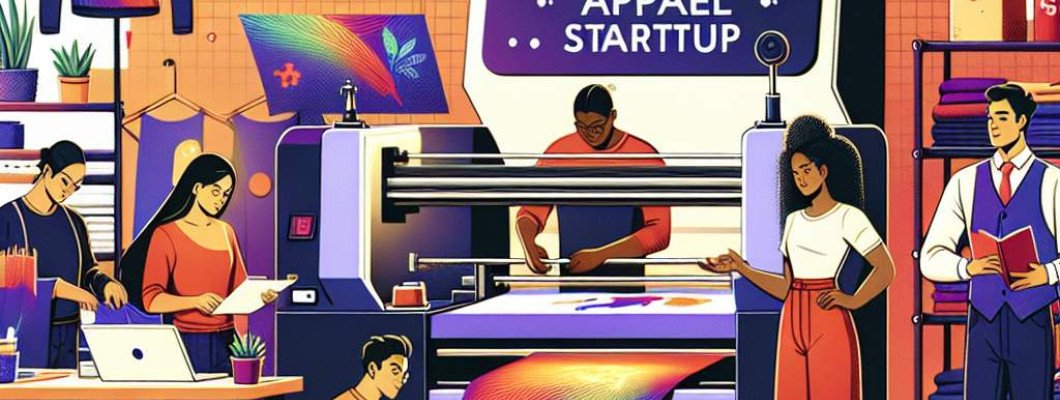
Struggling to see your apparel startup scale without risking excess inventory? You're not alone. In today's fast-paced fashion world, small apparel businesses are seeking smarter solutions to stay competitive. Have you considered leveraging DTF (Direct to Film) printer technology to build your clothing collections more efficiently? If so, you"re on the right track. These innovations are game-changers, enabling startups to minimize inventory costs while meeting customer demand with agility and style.
Traditional apparel manufacturing often involves large upfront investments in inventory. The risk? Unsold stock that eats into profits or becomes obsolete before it hits shelves. But now, with advances in DTF printing, small apparel startups can produce custom designs on demand, reducing storage needs and waste. Imagine being able to launch new collections quickly, test market trends, and adapt without the burden of big inventory. This approach allows your business to respond to customer preferences in real-time, creating a competitive edge in fast fashion markets.
Why DTF Printing Is a Game Changer for Small Apparel Startups
DTF printers enable businesses to print directly onto fabrics via a transfer film, offering vibrant, durable designs with excellent detail. Unlike traditional screen printing or bulk manufacturing, DTF printing is cost-effective for small batch runs or even individual pieces. This flexibility means you no longer need to order large quantities of each design, significantly cutting down your financial risk. Plus, DTF allows for quick turnaround times, so you can adapt your collections rapidly. For example, a startup who chats regularly with their customers can adjust design themes based on trends, all while maintaining low inventory levels.
Here's what makes DTF printers particularly suited for emerging fashion brands:
- Low Minimum Orders: Print small batches or single items without a hefty setup fee.
- Design Flexibility: Complex, multi-color designs are easy and affordable to produce.
- Fast Turnaround: From design to finished product in a matter of hours.
- Less Waste: Print only what you need, reducing fabric and ink waste.
- Cost Efficiency: Lower upfront costs compared to traditional manufacturing methods.
Building Collections Around Innovation
If you want to stand out in the crowded fashion scene, building your collections around DTF printing innovation can be revolutionary. Instead of mass-producing a single design, consider creating limited-edition runs, seasonal collections, or even personalized items tailored to specific customer segments. This strategy allows you to test trends without overcommitting resources. For instance, a small startup might begin with a few basic styles and gradually incorporate new designs based on customer feedback, all printed with their DTF printer.
To optimize this approach, focus on:
- Market Testing: Launch small batches to gauge customer interest before scaling up.
- Personalization: Offer custom options thanks to the flexibility of DTF printing.
- Trend Responsiveness: Quickly adapt designs based on current fashion trends or viral themes.
- Brand Identity: Develop a signature style by experimenting with textures, colors, and graphics easily printed with DTF technology.
Real-Life Success: From Idea to Market
Take Sarah, a budding apparel entrepreneur who wanted to start her own streetwear line. She was worried about inventory costs and her ability to keep up with ever-changing trends. After discovering DTF printing, she started small, creating limited runs of her designs on-demand. She used her DTF printer to test different patterns and styles, as her customers kept requesting customized graphics. Within a few months, her collection grew based on actual demand, not guesses, and her financial risk diminished significantly.
Sarah"s story is just one example of how small startups harness DTF innovation to minimize investment risks while maximizing creative freedom. Today, many fashion entrepreneurs are following a similar path—following market feedback, launching fresh collections on a weekly basis, and eliminating excess stock.
How to Integrate DTF Printing Into Your Apparel Business
If you're ready to switch to a more flexible, low-risk manufacturing method, here"s a simple process to get started:
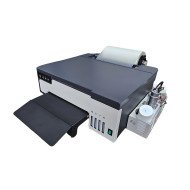
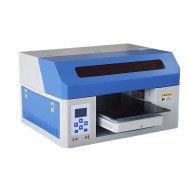
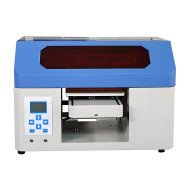
- Research & Select Your DTF Printer: Look for reliable models with good print resolution, durability, and affordable consumables. For a robust choice, explore options like the DTF/DTG printer here.
- Curate Your Designs: Develop versatile designs that can be customized or mixed-and-matched. Consider trending themes, seasonal motifs, or niche styles.
- Start Small: Produce limited runs first to test customer response and refine your quality control.
- Promote the Customization: Highlight your ability to offer unique, on-demand apparel. Use social media to showcase quick turnaround items.
- Gather Feedback & Expand: Use customer insights to refine your offerings and scale your collections gradually.
Why This Approach Matters in Today"s Market
Consumers increasingly value uniqueness, quick service, and eco-friendliness. Small apparel startups built around DTF printing meet these needs by offering limited-edition items, personalized options, and environmentally conscious practices—like less waste and lower energy consumption. This model aligns with modern fashion demands, giving small businesses a competitive edge without large investments or stockpiles.
Frequently Asked Questions (FAQs)
1. Is DTF printing more affordable than traditional screen printing for small batches?
Yes, DTF printing has lower setup costs and allows you to produce small quantities cost-effectively, making it ideal for startups.
2. How durable are DTF printed designs on apparel?
With proper curing, DTF designs are highly durable, resistant to cracking, peeling, and fading through multiple washes.
3. How quickly can I go from design to finished product using DTF?
Typically, you can have a design printed and ready for sale within a few hours, enabling rapid collection updates.
4. Can I print on different fabric types?
Yes, DTF printers are compatible with a wide range of fabrics including cotton, polyester, and blends, offering versatility for your collections.
5. What are the main advantages of building apparel collections around DTF innovation?
You can reduce inventory risk, respond swiftly to trends, customize designs easily, and decrease waste—all crucial benefits for a small startup aiming for growth and agility.
Taking advantage of DTF printing innovation is transforming how small apparel startups operate—building collections around flexible, on-demand manufacturing helps reduce inventory risk and accelerates market response times. If you"re ready to elevate your fashion business, explore high-quality DTF printers like the DTF/DTG printer here to start designing smarter today.













Leave a Comment