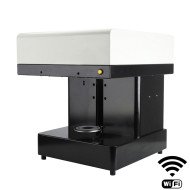
Scaling Print Shops Struggle with Flower Printing's Promise and Perils

The Hook: A Day in the Life of a Scaling Print Shop
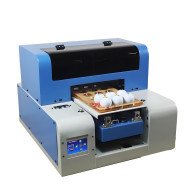
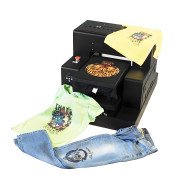
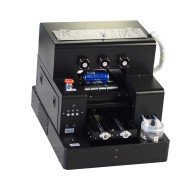
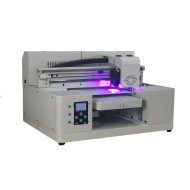
Picture this: The sun has barely crested the horizon when Derek, the owner of a bustling print shop, unlocks the door to another day of creative chaos. He’s greeted by a cacophony of humming machines, the steady rhythm of printers working overtime, and an eager team ready to tackle today’s orders. But looming overhead is a new challenge that threatens to disrupt the delicate balance he’s worked hard to maintain—the introduction of multifunction flower printers into his workflow.
As customers demand more intricate designs and rapid turnaround times, Derek faces a daunting decision. With each batch of artificial and natural flower prints, the pressure intensifies. Will it be the breakthrough that catapults his shop into new realms of profitability, or will it become the bottleneck that slows everything to a crawl?
The Deep Dive: Navigating the Scaling Nightmare
Understanding Scaling Bottlenecks
Integrating a multifunction flower printer into an existing print operation is not as simple as plugging it in and pressing 'start'. The complex nature of printing on flowers—both artificial and natural—brings unique challenges. Each flower type requires specific handling techniques, which means rigorous training for staff and potential delays in production as teams adapt.
The ROI Balancing Act
For Derek, the promise of increased profits is tantalizing. A single well-executed flower print could fetch a premium price, appealing to upscale event planners and florists. Yet, the initial investment isn’t trivial. A multifunction flower printer is a significant financial outlay, demanding careful ROI calculations and a strategy to amortize costs over time.
Hidden Maintenance Costs
Beyond the headline price of the printer, there are hidden costs lurking. Regular maintenance becomes paramount. Print heads dealing with varied substrates like petals can clog easily, requiring frequent check-ups and cleaning that drain time and resources.
Training Bottlenecks
Training is another key area where scaling print shops face hurdles. Mastering the art of flower printing demands precision, and even seasoned operators may find themselves stumped by the nuances inherent to different flower types. Each mistake not only costs time but also materials, nibbling away at profit margins.
The Environmental Impact
While the appeal of custom prints is undeniable, there’s a growing awareness around the environmental implications. The shift towards sustainable practices means taking a hard look at the materials used and their disposal. Could Derek’s decision to incorporate this technology tip the scales towards unsustainable practices?
The "What If" Scenarios: Transformative or Catastrophic?
Scenario 1: The Successful Integration
Imagine Derek's shop not only meeting but exceeding expectations. With carefully planned workflows and a team of experts mastering the printer's intricacies, his business flourishes. Within months, he expands into new markets, becoming known for quality flower prints that set him apart from competitors.
Scenario 2: The Stagnant Struggle
In another reality, Derek faces ongoing technical issues. The printer's complexity proves too much for his team, leading to delays and frustrated customers. Pushed to the brink, his business stagnates as competitors seize the opportunity to capture his market share.
Scenario 3: The Balanced Approach
Derek opts for a cautious, phased rollout. While slower to implement, this strategy ensures a thorough understanding of the printer’s quirks, optimizing its use without risking current operations. His calculated approach pays dividends, securing a steady stream of high-value orders.
The Expert Q&A: Demystifying the Flower Printer
Q1: How does the printer handle different flower types?
The printer utilizes adaptive technology to adjust pressure and ink distribution according to the substrate's texture, ensuring precision across all flower types.
Q2: What are the common maintenance challenges?
Frequent print head cleanings and ink line flushes are necessary to avoid clogs, especially with natural flower substrates that can leave residue.
Q3: How is ROI calculated with flower printing?
ROI depends on the volume and complexity of orders, factoring in initial cost mitigation, maintenance, and training expenses.
Q4: How does environmental compliance affect operations?
Environmental compliance requires careful selection of inks and substrates, and diligent waste management practices to minimize ecological impact.
Q5: What’s the training timeline?
Training varies but typically requires a 2-4 week period to ensure staff can confidently manage the printer's complexities.
The Verdict: Is Flower Printing Worth the Gamble?
In the volatile world of print shops, the decision to integrate a multifunction flower printer is fraught with both risks and rewards. For Derek and many like him, embracing this technology could mean the difference between stagnation and innovation. While challenges abound—from scaling bottlenecks to environmental compliance—the potential to capture new markets and enhance profit margins is compelling.
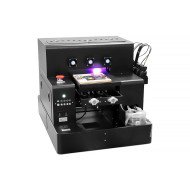
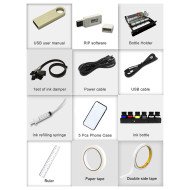
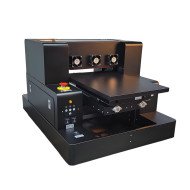
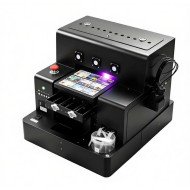
Ready to explore the possibilities? Check out GNFEI’s multifunction flower printer, a step towards redefining your print shop’s capabilities.