Scaling DTG Printing: Overcoming Growth Hurdles for High-Volume Success

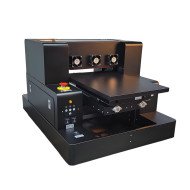
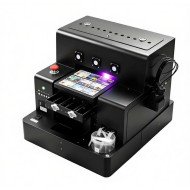
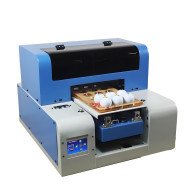
The room buzzes with the rhythmic hum of machinery, as stacks of blank shirts await their transformation into wearable art. In the fast-paced world of custom apparel, Direct-to-Garment (DTG) printers have emerged as a vital tool for companies seeking to meet large-scale demands with precision. Yet, gearing up for high-volume production requires more than just pressing a button. It demands a strategic approach to scaling, integrating technology, and maximizing efficiency—without sacrificing quality.
Understanding the Scaling Challenges
DTG printers promise flexibility and vibrant output, but moving from a small-scale operation to a high-volume factory introduces unique challenges. Key hurdles include:
- Cost Management: High upfront investments and ongoing maintenance are substantial.
- Workflow Optimization: Maintaining speed without compromising print quality.
- Technology Adaptation: Integrating printers with existing systems for seamless operation.
- Supply Chain Dynamics: Ensuring consistent availability of substrates and inks.
- Environmental Considerations: Balancing efficiency with eco-friendly practices.
Overcoming Equipment Costs
Initial investments in DTG printers can be daunting, but strategic financial planning mitigates the risks. Consider the following approaches:
- Leasing Options: Leasing reduces upfront costs and provides flexibility for scaling operations.
- ROI Analysis: Calculate long-term profitability based on projected demand and operational costs.
- Bulk Purchases: Discounts on bulk orders of inks and substrates can reduce per-unit costs.
Optimizing Workflow Efficiency
High-volume production demands streamlined processes. Key strategies include:
- Automated Systems: Integrate software to handle order processing, batch management, and inventory control.
- Staff Training: Ensure technicians are skilled in managing equipment to minimize downtime.
- Quality Control: Implement regular checks to maintain output standards.
Integrating with Existing Technology
Successful scaling requires harmony between new and legacy systems. Focus on:
- Software Compatibility: Choose DTG printers that support seamless integration with existing platforms.
- Custom Solutions: Develop tailored software to bridge gaps between systems.
- Data Analytics: Utilize analytics to monitor production flow and identify bottlenecks.
Supply Chain Coordination
Robust supply chain management ensures consistent output:
- Vendor Relationships: Establish strong relationships with suppliers to guarantee timely deliveries.
- Inventory Systems: Implement an efficient system to track stock levels and reorder supplies.
- Eco-Friendly Options: Source sustainable materials to appeal to environmentally conscious consumers.
Committing to Sustainability
As environmental concerns rise, sustainability becomes crucial:
- Eco-Inks: Use water-based inks to reduce environmental impact.
- Energy Efficiency: Invest in energy-efficient printers to lower power consumption.
- Recycling Programs: Implement recycling initiatives for substrates and packaging.
Real-World Case Studies
Consider the experiences of three hypothetical companies:
Company A: Apparel Giants
With a global reach, Apparel Giants invested heavily in DTG technology, focusing on workflow automation. Their success hinged on a robust training program for staff and strategic supplier partnerships, ensuring they met high demand without quality dips.
Company B: Boutique Print House
Starting small, Boutique Print House scaled through leasing DTG printers and sourcing eco-friendly materials. Their niche focus on premium quality attracted environmentally conscious customers, building a loyal base and steady growth trajectory.
Company C: E-commerce Innovators
This online behemoth embraced DTG printing to keep fulfillment in-house, enhancing margins. A data-driven approach allowed them to track production efficiency and optimize their supply chain, leading to significant cost reductions.
Technical FAQ
- How can DTG printer downtime be minimized? Regular maintenance schedules and trained technicians prevent frequent breakdowns.
- What are the best practices for ink management? Store inks properly and calibrate printers frequently to ensure color consistency.
- How to ensure print quality at high volumes? Implement automated quality checks and use high-resolution images for printing.
- What are the integration challenges with DTG printers? Compatibility with existing systems can be achieved through custom software solutions.
- How to balance speed and sustainability? Choose energy-efficient options and source eco-friendly materials without compromising production speed.
Strategic Summary
Scaling DTG printing operations for high-volume success demands a multifaceted approach. By strategically managing costs, optimizing workflows, integrating technology seamlessly, and committing to sustainability, businesses can turn challenges into opportunities. Embracing these strategies not only boosts efficiency but also aligns with industry trends favoring eco-conscious practices.