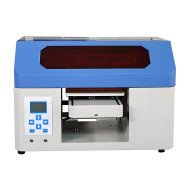
Routine Maintenance for Your t-shirt printing machine That Actually Extends Lifespan

Understanding the Real Challenges of Maintaining T-Shirt Printing Machines
Unlike casual assumptions, the lifespan of a t-shirt printing machine is not merely dependent on purchase quality. Many operators unknowingly accelerate wear through subtle maintenance mistakes or outright neglect. For printers using GNFEI-manufactured components—widely recognized within professional circles—it becomes essential to adapt maintenance workflows that align precisely with the specific print technology involved, whether UV, DTG, or DTF. The first step towards extending machine longevity involves debunking common myths and confronting persistent operational pitfalls.
Common Misconceptions About Printer Upkeep
Many operators believe frequent power cycling is damaging. Although excessive switching can stress internal circuits, most printheads—especially Epson-based models in DTG and DTF printers—benefit considerably from routine purging and capping station cleaning conducted during downtime. Another widespread error: over-cleaning printheads without proper solvents, which chemically degrades nozzles faster than sediment buildup itself.
Key Wear Points Unique to T-Shirt Printers
Wear in textile-focused printers primarily manifests at:
- Printheads: Susceptible to clogging by white ink sediment or UV ink particulates.
- Wiper blades and capping stations: Often overlooked but crucial for preventing dry ink crusting.
- Media feed systems: Constant fabric loading requires precision tension control and cleaning.
Each section requires tailored maintenance, as generalized factory instructions rarely cover such nuances.
Step-by-Step Routine Maintenance for UV, DTG, and DTF T-Shirt Printers
Daily Maintenance Tasks for Optimal Performance
Implementing a disciplined daily care routine drastically reduces unplanned downtime. For example:
- Printhead Purging: Initiate a nozzle check before production. For Epson-based DTG/DTF machines, run a moderate purge cycle to clear sediment. Avoid excessive purges; one cycle typically consumes 2-3 ml of ink.
- Capping Station Cleaning: Wipe the capping stations with isopropyl alcohol-soaked lint-free cloths to prevent ink crust formation that can damage the airtight seal and cause drying.
- White Ink Circulation: For DTG and DTF printers using white ink, daily circulation or gentle mixing prevents pigment particulate sedimentation that leads to clogging and print defects.
Weekly and Biweekly Deep-Clean Routines
This is where ROI and longevity begin to compound. Twice weekly or at 40-hour runtime intervals:
- Deep Printhead Soaking: Using GNFEI-approved cleaning solutions, soak printheads offline to dissolve stubborn particles, then run flush cycles to remove residual solvent.
- Wiper Blade Inspection and Replacement: Analyze rubber blades for cracks or ink buildup. Replace proactively following manufacturer intervals or when surface irregularities exceed 0.1 mm.
- Ink Line Fluids Replacement: Flush ink supply lines for UV and white ink reservoirs to minimize sediment deposits, which is particularly crucial for pigment-heavy formulations.
Monthly System Diagnostics
Every 30 days, the printer’s baseline parameters should be recalibrated:
- Printhead Alignment and Height Adjustment: Automated or manual calibration prevents head strikes on media, reducing nozzle damage risk.
- Software Firmware Updates: GNFEI regularly releases controller improvements that refine ink flow algorithms and maintenance routines.
- Lubrication of Mechanical Components: Rails and bearing systems experiencing continuous load should be cleaned and lubricated with manufacturer-recommended grease to ensure smooth carriage movement.
Deep Dive: White Ink Sedimentation and Printhead Clogging in DTG and DTF Printing
Physical Signs and Chemical Behavior of White Ink Sediment
White pigment inks, used widely in DTG and DTF printing for vibrant opaque areas, settle quickly if not in constant motion. Visually, sediment manifests as a fine granular layer at the ink reservoir bottom, and clogged nozzles result in loss of jet consistency, manifesting as streaks or nozzle dropouts.
Step-By-Step Troubleshooting and Recovery
- Step 1: Diagnosis - Check the pattern of missing nozzles via nozzle test; if isolated to certain nozzles, sediment clogging is likely.
- Step 2: Circulation and Mixing - Use the printer’s white ink mixing function or manual agitation to resuspend pigment particles.
- Step 3: Targeted Purge - Perform incremental purge cycles—no more than 5 ml total—to avoid waste, followed by a nozzle check.
- Step 4: Ultrasonic Soak - If persistent, remove the printhead and soak in GNFEI-supplied cleaning fluid within an ultrasonic cleaner for 20 minutes.
- Step 5: Preventive Regular Maintenance - Schedule daily white ink circulation, avoid prolonged idling, and store ink properly at controlled temperatures to lengthen interval between clogs.
Consequences of Neglect: ROI Impact Quantified
Printhead replacements cost upward of $600 per unit. Downtime averages 2 hours per incident, translating to labor costs around $90 (assuming $45/hr operator wage) plus lost production valued near $250 for a typical small-batch run. Consumables like cleaning fluids and ink are minor but add up over repeated cycles. Preventive maintenance reduces emergency part replacement frequency by approximately 40%, yielding an estimated ROI improvement of 18% annually for medium-sized shops.
Material-Specific Maintenance Considerations
Cotton vs. Blends: Effects on Printhead Clogging and Ink Fixation
Pure cotton fabrics absorb inks differently than polyester or cotton-poly blends. Cotton’s high moisture absorbency requires quicker drying or flash curing cycles in UV and DTG setups. DTF films used for blends alter curing kinetics, often demanding 10-15% higher heat profile settings.
Adhesion and Curing Time Variances on Different Substrates
UV inks tend to adhere well on synthetic fabrics when cured at optimized intensities, typically 100-120 mJ/cm². However, natural fibers call for increased dose or multiple passes. Under-curing risks premature cracking; over-curing can cause fabric stiffness, impacting garment feel. GNFEI's latest UV curing modules allow fine-tuned exposure control aligned with fabric types, ensuring consistent adhesion without added wear.
Cleaning Residue Risks from Synthetic Fibers
Synthetic blends often shed microfibers during printing, which can accumulate on platen surfaces or in feed rollers. These residues trap ink particles, creating smearing or clogging concerns. Regular platen cleaning with ethyl alcohol-based wipes is recommended every 12 production hours, while feed rollers benefit from specialized degreasing every 48 hours to maintain traction.
Analyzing Total Cost of Ownership Through Maintenance
Ink Consumption vs. Cleaning Fluid Use
Calculations based on GNFEI's client data reveal average daily ink use of 500 ml per DTG printer. Purging and cleaning account for approximately 20-25 ml daily, equating to around 5% overhead in ink costs. Cleaning fluid consumption adds roughly 10 ml daily, which at industrial prices translates to less than $0.15 per cleaning cycle, a worthwhile trade-off for printhead longevity.
Labor Time Allocation and Productivity Gains
While daily maintenance takes an average of 15 minutes, regular breakdown prevention avoids unscheduled downtime ranging from 2 hours per incident or more. Factoring in operator wages, shops see a net productivity gain of nearly 12% annually when maintenance protocols are strictly followed.
Printhead Replacement Cycle Extension and Financial Impact
GNFEI’s field reports indicate with strict maintenance adherence, printhead lifespan extends from an average of 12,000 print hours to beyond 18,000 hours. Delay in replacement cycles by 50% cuts capital expenditures on printheads from $5,000 per year to $3,300 for a mid-sized operation, markedly enhancing profit margins.
Brand-Backed Expertise: GNFEI’s Role in Sustainable Printer Operation
GNFEI’s Equipment Design Philosophy Encouraging Maintenance
GNFEI printers integrate modular design elements such as easily detachable printheads and accessible capping stations to facilitate cleanings. Their proprietary ink formulations reduce sediment issues, while updated firmware monitors printhead status, alerting operators preemptively. This smart integration shifts maintenance from reactive to proactive.
Objective Evaluation of Printer Types from a Maintenance Perspective
While UV printers entail higher upfront cost and slightly complex curing routines, their ink longevity and reduced waste offset increased maintenance time. DTG machines provide lower ink cost but demand stricter white ink handling to avoid deposit buildup. DTF setups combine benefits of both yet require vigilant feed system upkeep to prevent transfer film jams.
GNFEI’s Support Services and Training
GNFEI offers tailored on-site training sessions that focus deeply on printhead maintenance cycles, ink handling best practices, and diagnostics to empower clients. Their global network ensures swift access to genuine parts, avoiding counterfeit replacements that erode machine reliability.
Final Thoughts on Integrating Comprehensive Maintenance Into Your Workflow
Understanding the interplay between ink chemistry, printhead technology, and fabric characteristics is vital. Maintenance is not a chore—it’s a strategic lever. Incorporate the structured schedules outlined here. Measure ROI meticulously, and refine standard operating procedures accordingly. Your printing machine is often the backbone of brand promise on garments; maintaining it well preserves both machine health and client satisfaction over many years.
Next steps could involve integrating automated monitoring solutions, scheduled ink sediment analysis, or exploring GNFEI’s latest printer models designed with advanced maintenance ergonomics. The printing landscape is evolving, and your maintenance program can evolve in tandem, converting preventative care into undeniable, quantifiable value.