
Rising demand for personalization pushing factories toward garment printer centered production models
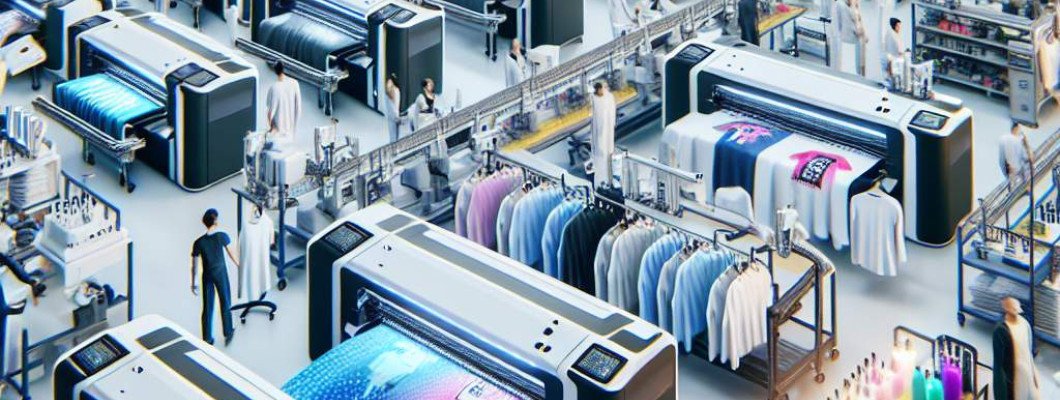
Are you noticing a shift in the way apparel is being produced and wondering how your manufacturing process can keep up? Increasingly, factories worldwide face the challenge of meeting the rising demand for personalized clothing. This trend isn"t just about offering custom designs—it's transforming production models itself, pushing manufacturers toward garment printer-centered strategies that prioritize flexibility, speed, and customization. If you"re aiming to stay competitive in today"s fast-paced fashion industry, understanding this shift is crucial.
Personalization has moved from a niche offering to a standard expectation among consumers. Today"s customers want unique styles, personalized fits, and custom graphics on their apparel. Think about how you interact with brands—many now expect to design their own T-shirts or hoodies online. This shift puts pressure on traditional manufacturing setups that rely heavily on batch production, where items are made en masse, then stored or shipped in large quantities. The bottleneck? It"s slow, inflexible, and often results in leftover inventory.
Enter garment printers—digital printing technology that allows factories to produce small batches or even single customized units efficiently. These printers have revolutionized the industry by enabling on-demand production. Instead of costly setups and lengthy lead times, factories can now print directly onto garments, offering clients personalized designs within hours. This agility not only reduces waste but aligns manufacturing with modern consumer expectations for fast, custom products.
Let"s explore how this transformation impacts manufacturing models:
- Mass Customization: Traditional mass production creates identical items for broad audiences. Today, digital garment printers enable mass customization—delivering unique products to each customer without sacrificing efficiency. It"s a game-changer for brands wanting to differentiate themselves in a crowded marketplace.
- Fast Turnaround: Digital printing drastically reduces lead times, making rapid prototyping and small-batch production possible. This allows brands to respond quickly to market trends or customer requests, maintaining a competitive edge.
- Reduced Waste and Costs: Conventional screen printing or embroidery involves setup costs and produces waste due to excess screen plates or unused inventory. Digital garment printers produce only what"s ordered, cutting waste and lowering overall costs.
- Flexibility in Design: Complex and colorful designs are now easier to print directly onto garments. This expands creative options for brands and designers, encouraging innovation and differentiation in products.
- Sustainable Production: As sustainability becomes a key concern, digital garment printing reduces environmental impact by minimizing water, energy, and chemical use compared to traditional methods.
A real-world example is a small apparel firm that invested in a high-quality DTG (direct-to-garment) printer. Before, they only produced in bulk due to manufacturing limits. Now, they can offer personalized designs, generate orders faster, and expand their market reach without huge upfront investment. This shift not only increased their profit margins but also built a loyal customer base eager for custom options.
For factories considering this transformation, choosing the right printing technology is key. Modern garment printers like the DTG and DTF printers are designed for high speed, vibrant color fidelity, and durability. These machines support a seamless transition to on-demand production, ensuring your factory can meet current and future personalization demands with confidence.
Adopting a garment printer-centric model involves more than just equipment. It requires integrating software for rapid order processing, ensuring your team is trained to operate new machinery efficiently, and rethinking your supply chain to support just-in-time production. The result? A nimble manufacturing process that responds rapidly to market trends and customer preferences.
From a strategic standpoint, shifting toward garment printers can unlock multiple benefits:- Enter new markets with personalized product offerings- Lower inventory costs through on-demand production- Minimize environmental impact and improve sustainability- Increase overall customer satisfaction with custom options- Accelerate product development cycles and reduce time-to-market
However, it"s essential to evaluate your factory"s specific needs. Consider factors like production volume, product complexity, and your current infrastructure. Investing in quality printers and comprehensive training will ensure a smooth transition. Collaborating with equipment providers who understand your industry can make all the difference in achieving long-term success with this innovative model.
As consumer trends continue to favor personalized apparel, the factories that adapt early by incorporating digital garment printing will not only survive but thrive. The rise of garment printer-centered production models marks a pivotal moment—one where technology and creativity converge to redefine manufacturing standards. Staying ahead means embracing these changes now and leveraging high-quality printing solutions to meet the evolving demands of the global market.
Interested in upgrading your factory"s production line? Explore advanced digital garment printers like the DTG and DTF printers. They deliver the speed, quality, and flexibility needed to capitalize on the personalization trend and future-proof your manufacturing operations.
FAQs about Garment Printing and Personalization
- What is the difference between DTG and DTF printing? DTG (Direct-to-Garment) involves printing directly onto fabric, ideal for detailed designs and small runs. DTF (Direct-to-Film) uses a transfer film, offering versatility and durability across various fabrics, suitable for larger batches.
- How much does upgrading to a garment printer cost? Costs vary based on the printer"s size and capabilities—entry-level models can start around a few thousand dollars, while industrial units may exceed $50,000. Consider long-term savings, reduced waste, and faster turnaround times when evaluating ROI.
- What are the typical production times with digital garment printers? Depending on the complexity and volume, digital printing can produce single items within minutes and small batches within a few hours, significantly faster than traditional methods.
- Is digital printing durable enough for everyday wear? Yes. Modern printers apply eco-friendly inks designed to withstand washing and wearing, especially when paired with appropriate curing processes.
- Can my existing factory infrastructure support digital garment printing? It depends on current equipment. Many setups require modifications to accommodate new printers, but digital printing is often compatible with existing production lines when properly integrated.
Upgrading your manufacturing approach by leveraging garment printer-centered models is no longer optional—it's essential for staying relevant in an increasingly personalized consumer market. With the right technology, strategic planning, and execution, your factory can take full advantage of these emerging trends and secure a competitive edge worldwide.
















Leave a Comment