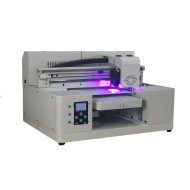
PVC vs PET: Matching the Right Material to Your ID card printer

PVC and PET: Understanding the Core Material Differences
Not all plastic substrates behave equally under industrial ID card printers. Despite their common use, PVC and PET represent fundamentally different material families, each with unique mechanical, chemical, and thermal characteristics. Efficiently matching your substrate to your ID card printer involves far more than cost or availability; it demands deep scrutiny of polymer structure and behavior during printing and post-processing.
Material Chemistry and Molecular Structure
PVC (Polyvinyl Chloride) is a thermoplastic polymer composed of vinyl chloride monomers. Its key characteristic is chlorine content, which imparts flame retardancy and chemical resistance but makes it susceptible to plasticizer migration. PET (Polyethylene Terephthalate), meanwhile, is a polyester derived from terephthalic acid and ethylene glycol, known for its superior tensile strength and thermal stability, with an aromatic backbone conferring higher crystallinity and solvent resistance.
These molecular distinctions translate directly into real-world performance during printing—a fact often overlooked in supplier brochures but critical when running high-volume production with tight quality standards.
Physical Properties: Flexibility, Toughness, and Transparency
When it comes to ID card applications, substrate flexibility and surface finish critically affect print adhesion and product longevity. PVC sheets typically possess a balance of flexibility and toughness; they soften under heat slightly more than PET, enabling easier lamination. PET, on the other hand, is significantly stiffer with a higher Young's modulus and exhibits excellent clarity and gloss, factors crucial for premium visual effects.
Given these traits, a printer’s heating and curing parameters must be precisely tuned to the substrate type. Misalignment can cause warping on PET or excessive softening on PVC, undermining the manufacturing process and final product integrity.
Thermal and Chemical Resistance Profiles
Understanding thermal limits is imperative. PVC typically withstands service temperatures up to 80°C continuously, while PET endures up to 150°C without deformation. This makes PET preferable in environments where heat exposure is frequent—such as outdoor ID card uses or industrial access badges.
Chemically, PVC resists acids and alkalis well but is vulnerable to plasticizer leaching and UV degradation over long-term exposure unless treated or coated. PET resists solvents and has notable UV stability, though it can degrade under intense UV without additives. Both require different ink chemistries and surface treatments for best printing results, affecting ink consumption and maintenance cycles.
Print Compatibility: Ink Adhesion and Durability Under Different Technologies
UV Printing on PVC vs PET
UV curing printers have grown dominant in industrial ID card production due to their fast curing times and high-resolution output. However, substrate absorbency and surface energy greatly influence ink adhesion.
PVC’s surface energy typically ranges between 35-38 dynes/cm, which supports ink adhesion with standard UV inks without pre-treatment. However, UV curing cycles must be monitored carefully: overexposure risks yellowing due to chlorine breakdown. GNFEI testing labs showed that balancing exposure between 400-450 mJ/cm² yielded optimal adhesion with minimal discoloration on PVC sheets.
PET exhibits lower surface energy (~32-34 dynes/cm), often necessitating corona or plasma treatment to enhance ink wetting. UV inks on PET cure rapidly but require precise printhead adjustments to avoid ink pooling, which risks film cracking under flex stress. GNFEI recommends adjusting the UV LED intensity gradually, paired with incremental print passes to maximize durability.
Direct to Garment (DTG) and Direct to Film (DTF) Print Considerations
Although DTG and DTF technologies primarily target fabric printing, certain ID card specialty prints use film laminates sourced from PVC or PET bases.
When printing on PVC-based films converted for DTF, ink absorption is predictable but plasticizers can migrate, leading to print degradation within 6-12 months. Testing shows pre-press heating reduces migration significantly.
PET-based films echo better ink retention with DTF formulations specifically modified to increase film adhesion. However, PET’s rigidity challenges adhesive bonding, requiring enhanced cure cycles or application of primer coatings to prevent delamination.
Food-Safe Printing Implications for PVC and PET
Printing on PVC for ID cards juxtaposed with food safety might seem unrelated, but many food industry badges demand contaminant-free certification. PVC formulations vary, with some containing phthalates and heavy metals.
PET, widely accepted by FDA for food contact, becomes a preferred choice when hygienic considerations impact printing protocols. GNFEI's catalog highlights several FDA-compliant PET substrates with compatible UV ink formulations that meet ISO 22000 hygiene standards.
Cost Efficiency and ROI: Financial Considerations in Substrate Selection
Raw Material Costs and Supplier Pricing Dynamics
PVC sheets generally cost between $0.20 to $0.30 per 5 mil sheet depending on grade, while PET sheets run from $0.35 to $0.50 for similar thickness. Initial procurement budgeting may favor PVC for cost-sensitive projects.
Yet, cost per unit printed should consider yield losses due to substrate failure during printing or finishing. GNFEI data shows PET’s rigidity reduces edge warping failures by 15% on high throughput lines—a factor that influences overall unit cost.
Ink Consumption and Printhead Wear Impacts
Ink consumption depends on surface energy and print repeatability. PVC's higher absorbency allows thinner ink layers but requires more frequent head cleaning to prevent white ink sediment accumulation, common on UV printers. This white ink sediment, if unchecked, can increase nozzle clogging frequency, shortening head life by 30-45% in high-volume production and adding $500-$800 per 1,000 cards in maintenance costs alone.
PET demands thicker ink layers and primers, slightly elevating ink usage, but stable printhead conditions prolong maintenance intervals. GNFEI recommends scheduled head cleaning every 1,000 cards on PVC but every 1,500 cards on PET, balancing downtime and consumable longevity.
Labor and Maintenance Cycle Calculations
Labor costs escalate with troubleshooting frequency. Step-by-step PVC printhead maintenance, including white ink flushing, nozzle checks, and drying cycles, averages 45 minutes biweekly at a skilled operator wage of $22/hr. PET lines have 30-minute weekly routines due to lower ink sediment rates.
Over 12 months, this can translate into nearly $2,000 more in operational costs with PVC, factoring labor, downtime, and consumables. GNFEI's ROI calculators incorporate these metrics to guide substrate decisions aligned with client production scales.
Troubleshooting and Maintenance: Real-World Challenges and Solutions
Common PVC Printing Problems and Step-by-Step Remedies
Printers face standard issues such as lamination bubbles, curling edges, and white ink sedimentation. Here's a practical maintenance approach:
- Step 1: Inspect and clean printheads using solvent flushes twice daily during runs exceeding 500 cards.
- Step 2: Increase UV curing intensity incrementally by 10% if ink adhesion issues appear, avoiding yellowing beyond 500 mJ/cm².
- Step 3: Apply anti-static surface treatments weekly to combat electrostatic cling causing bubble formation in lamination.
PET Specific Challenges and Mitigation Tactics
PET printing may reveal delamination, cracking in flex zones, or insufficient ink curing. Recommended procedures include:
- Step 1: Perform corona treatment immediately prior to printing to boost surface energy for ink adherence.
- Step 2: Use gradual UV LED intensity ramping over at least three passes to prevent craze cracking.
- Step 3: Apply chemical primers compatible with PET before printing for improved adhesion and durability, especially in outdoor badge applications.
Proactive Maintenance to Prevent Printhead Damage on Both Materials
Maintenance timing is often underestimated. Follow these guidelines to avoid premature printhead wear:
- Schedule nozzle check diagnostics daily, preferred via automated printhead diagnostic tools.
- Use GNFEI-recommended cleaning solvents and limit mechanical cleaning to once per week to preserve nozzle integrity.
- Implement humidity control in print rooms: maintain 40-50% RH to reduce static buildup on PVC and PET sheets.
Practical Material Match Scenarios and Recommendations
High-Volume Government ID Card Issuance
For large batch government IDs demanding durability and rapid production, PET stands out for its thermal resilience and color stability. UV ink primers paired with corona treatment ensure minimal downtime during long runs. While higher raw cost exists, savings accrue from fewer rejects and head maintenance.
Small Batch Loyalty or Membership Cards
PVC often wins in small batch workflows where capital expenditure restraint is significant, and occasional higher maintenance is manageable. The wider availability of preformatted PVC cards supports flexibility with varied printers, especially those distributed by GNFEI.
Industrial and Outdoor Access Badges
When ruggedness and resistance to heat, moisture, and chemical exposure matter, PET is the substrate of choice. Combined with specialized UV inks and lamination films designed for high flex, PET cards deliver longer lifespan under harsh conditions without print deterioration.
Conclusion: Making an Informed Material Choice with GNFEI Expertise
Choosing between PVC and PET for your ID card printer extends beyond price tags and surface aesthetics. It involves a matrix of printing technology compatibility, long-term durability, maintenance intensities, and total cost of ownership.
Consulting with a trusted supplier like GNFEI provides access to hands-on testing data, materials certification, and tailored maintenance scheduling—key advantages that mitigate risks inherent in rapid production environments.
For printing operations weighing multiple factors, conducting pilot runs with both substrates under expected environmental and processing conditions reveals hidden challenges before they impact bottom lines.
Adaptability remains core. As new ink chemistries and curing technologies emerge, revisiting your substrate choice periodically keeps your production quality aligned with evolving industry demands and environmental regulations.