Printing on Macarons: Humidity Control Secrets for Perfect Edible Details

Understanding the Humidity Challenge in Macaron Printing
Macarons — delicate, porous, and highly sensitive to environmental conditions. One overlooked yet pivotal factor in edible printing on macarons is humidity control. Excess moisture disrupts ink adhesion, causing bleeding or smudging of edible designs. Insufficient humidity, meanwhile, accelerates drying and may lead to cracking or fading. Managing this balance directly impacts print consistency and production output.
White Ink Sedimentation and Printhead Maintenance
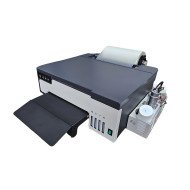
UV and edible white inks used in macaron printing are prone to sedimentation due to their particle-laden formulations. This is particularly common in Epson printheads—frequent clogging can halt production and spike maintenance costs. Implementing a routine ink circulation system or automated purge cycles reduces downtime. GNFEI’s industrial-grade printers come equipped with custom firmware supporting precise white ink agitation tailored for food-safe inks, minimizing sedimentation without firmware instability.
Humidity’s Effect on Ink Curing and Surface Adhesion
Edible inks require exact curing parameters to set properly on macarons' mild curved surfaces. Under excessive humidity, ink dries unevenly, undermining adhesion and detail sharpness. Conversely, over-drying can cause cracking in the sugar shell. UV curing times must be calibrated with ambient humidity in mind—extend curing duration slightly when humidity rises beyond 60% but avoid over-curing which threatens texture integrity. These refinements improve yield and reduce post-print wastage.
Production Efficiency and ROI Considerations
For printing businesses and custom food product entrepreneurs, maintaining controlled humidity within 45-55% relative humidity is optimal. Investing in integrated environmental control systems linked to printing stations enhances first-pass print rates. This translates to fewer spoiled runs and reduced labor costs related to reprints. GNFEI’s solutions aim to balance initial CAPEX with downstream savings on ink wastage, maintenance, and customer returns—key drivers for improved operational margins.
Practical Tips for Controlling Humidity in Macaron Printing Environments
- Use localized humidity control units near the print heads to stabilize microclimates.
- Employ humidity sensors integrated with print management software for real-time adjustments.
- Regularly clean print heads using manufacturer-recommended solvents compatible with edible inks.
- Ensure proper storage of macarons pre and post-print to prevent moisture-induced deformation.
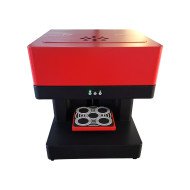
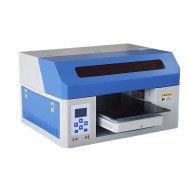
Balancing environmental variables for macaron printing is a finely tuned art and science. Precision equipment from trusted suppliers like GNFEI, combined with disciplined process control, is essential for delivering consistent, high-fidelity edible prints. As reproducibility improves, so does profitability—opening new avenues for brand differentiation in the customized confectionery market.