
Print service providers expand offerings using dtg printer machines tailored for dark garments
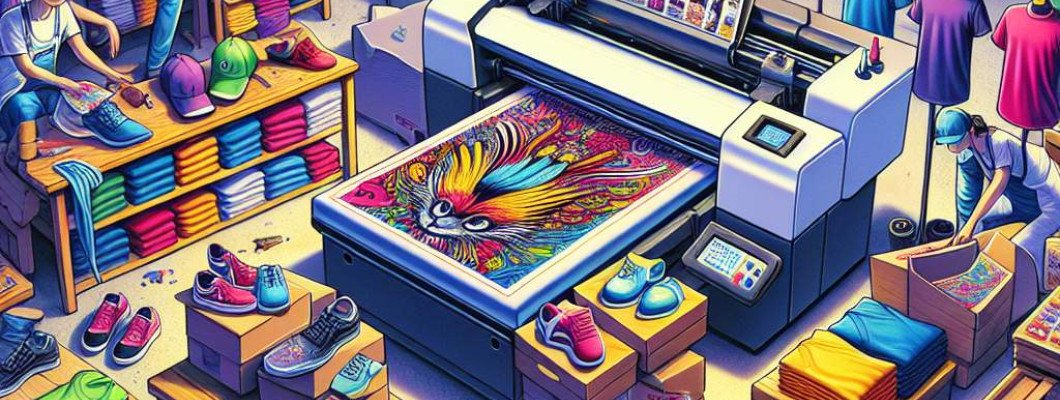
Struggling to expand your print service offerings for dark garments?
If you"re in the custom apparel business, you've probably noticed how dark garments can be a challenge to print on. Maybe you"ve stuck with traditional methods or hesitated to take on dark fabric projects because of quality concerns. Well, good news—Modern DTG printers are changing the game. They now give providers like us a real chance to grow and diversify. Let"s walk through how these machines are helping print shops expand their capabilities and boost revenue.
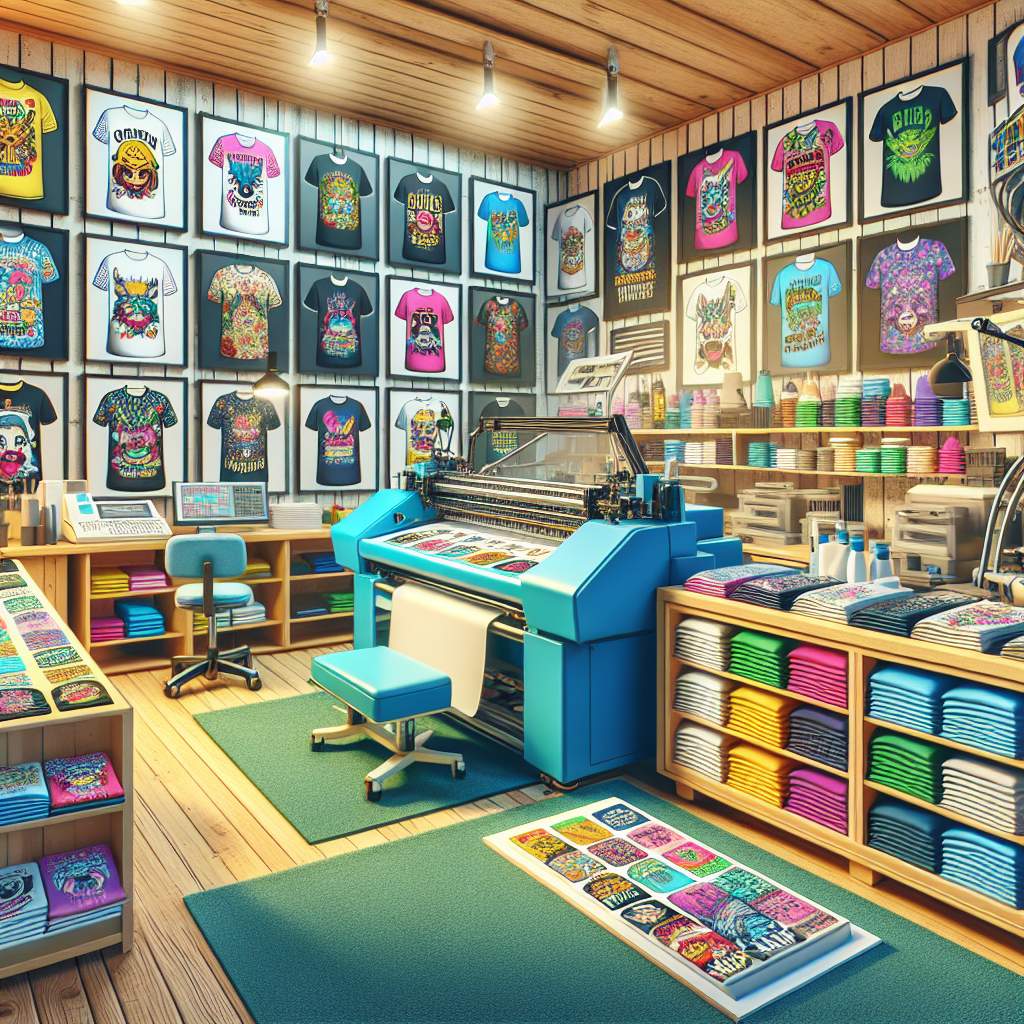
Why choosing the right DTG printer for dark garments matters
Not all DTG printers are created equal, especially when it comes to printing on dark fabrics. The key difference lies in technology that ensures vibrant, opaque prints. If your current printer struggles with these fabrics, you might notice dull colors or weak adhesion. To stand out, you need a machine specifically tailored for dark garments. These are designed to lay down thicker, more opaque inks that block the fabric"s color and produce stunning results.
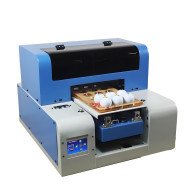
Benefits of using a DTG printer for dark apparel Check out this model
- Vibrant, opaque prints that pop on dark backgrounds
- Faster production times compared to heat transfers or screen printing
- High-resolution images for detailed designs
- Less waste—no screens to prepare or screens to clean
- Cost-effective for small and large orders
Imagine printing a vivid logo on a black hoodie that looks just as bright and detailed as on a white shirt—that"s the power of a good DTG printer tailored for dark fabrics. This opens up new possibilities for your shop to take on challenging clients or expand into new markets.
How modern DTG printers are tailored for dark garment printing
Here"s the scoop. Traditional DTG printers primarily excel on white or light-colored tees. But the latest models incorporate features like:
- White ink circulation systems for even ink flow and reduced clogging
- Specialized pretreatment options that penetrate dark fabrics and improve color vibrancy
- Multi-layer white ink modules allowing thicker white layers for maximum opacity
- Enhanced print head technology that ensures finer detail even on textured dark fabrics
For example, a friend in the industry recently upgraded to a high-end DTG machine. He now prints on dark joggers, hoodies, and sportswear with no issues. The quality is excellent, and customers love the new options. Investing in such a machine can truly transform your services.
Getting started: what to look for in a dark garment DTG printer
If you are considering making the switch or upgrading, here are some factors to keep in mind:
- White ink system: Ensure the printer has a reliable white ink circulation method.
- Color accuracy and resolution: Crisp prints are key to customer satisfaction.
- Ease of maintenance: Look for models that simplify cleaning and upkeep.
- Compatibility with pretreatment systems: Essential for dark fabrics to achieve vibrant prints.
- Support and warranty: Partner with brands that offer solid customer support.
Choosing the right machine isn"t just about features but also about your specific needs: volume, types of garments, and budget. Once you find the right fit, your ability to print on dark apparel will improve dramatically.
Tips for successful dark garment printing with DTG technology
Even the best equipment needs proper process management. Here are quick tips to ensure quality results:
- Pre-treat thoroughly: Even the best DTG requires pretreatment for dark fabrics. It enhances ink adhesion and color vibrancy.
- Use high-quality inks: Cheap inks lead to dull prints and inconsistent results.
- Adjust print settings: Fine-tune color profiles for each fabric type and color depth.
- Maintain your printer regularly: Clean print heads and circulate white inks properly to prevent clogs.
- Test with sample prints: Always run test prints before starting large jobs to optimize settings.
For example, I recently worked with a client printing athletic apparel. They pre-treated carefully, tweaked their settings, and now produce high-quality, vibrant dark garments in large batches. This small investment in process improvements has paid off in customer satisfaction and repeat business.
Expanding your business and attracting new clients
Adding dark garment printing capabilities can set you apart from competitors. Many customers want custom, high-quality options on black or navy apparel—they just aren"t offered everywhere. With a dedicated DTG machine for dark fabrics, you can explore new markets like sports teams, fashion brands, and corporate uniforms. Plus, your existing clients may also want darker options for their collections.
Market ideas to consider
- Custom athletic apparel for teams and gyms
- Fashion-forward streetwear with bold graphics
- Premium corporate merchandise on dark shirts and hoodies
- Niche markets like cosplay costumes or theatrical wear
Talk to your clients about these new options, and watch as your order volume grows. Investing in a machine tailored for dark fabrics isn"t just a technical upgrade—it"s a strategic move.
FAQs about DTG printers for dark garments
1. Can all DTG printers print effectively on dark fabrics?
No, only those with dedicated white ink systems and advanced print head technology are capable of vibrant dark garment printing.
2. How much does a good DTG printer for dark garments cost?
Prices vary widely, but you can expect to pay between $10,000 and $25,000 for a high-quality machine suited for dark fabrics. Check out options like this model for detailed specs and pricing.
3. What kind of maintenance does a DTG printer require?
Regular cleaning of print heads, circulating white ink to prevent clogs, and occasional calibration are necessary to keep prints sharp and consistent.
4. How do I prepare dark garments for printing?
Pre-treat garments thoroughly with the right solution, and let them dry completely. This step is crucial to achieving vibrant, durable prints.
5. Can I print on other dark materials besides cotton?
Yes, but compatibility depends on the ink system and pretreatment options. Check your machine"s specifications and consult the manufacturer for non-cotton fabrics.














Leave a Comment