
Personalization Trends: How DTG Printing Meets Diverse Consumer Demands
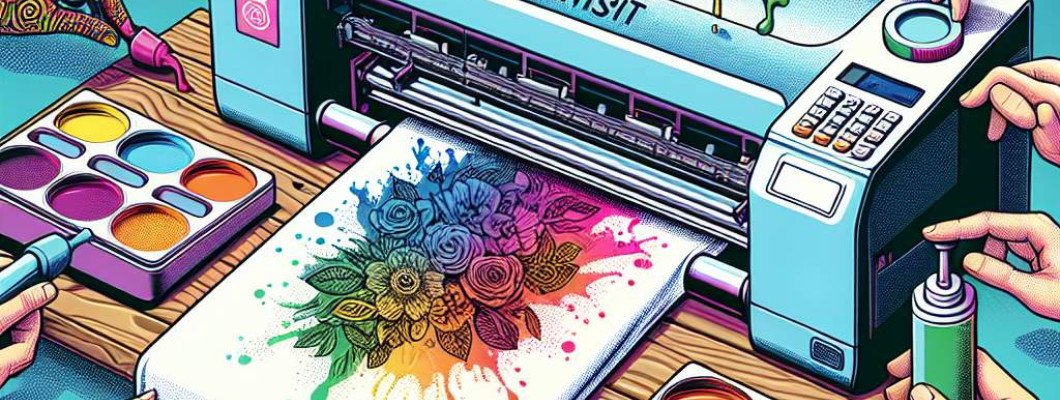
Are You Struggling to Keep Up with Changing Consumer Demands? Discover How DTG Printing Can Help
In today's fast-paced world, consumers want personalized products that reflect their individual style. Have you noticed a surge in demand for custom apparel, but your current printing methods can't keep up? If so, you're not alone. Direct-to-Garment (DTG) printing has become a game-changer for brands looking to meet these evolving needs.
Why Personalization Is the Future of Retail
Personalization isn"t just a trend anymore; it"s a core driver of consumer choice. People want unique items—things that tell their story or stand out from mass-produced products. This shift has pushed brands to rethink their production strategies.
Think about it: When was the last time you purchased a truly custom t-shirt or hoodie? Chances are, AI-generated designs or personalized messages influenced your decision. That"s the power of personalization—giving consumers what they want, when they want it.
How DTG Printing Meets Diverse Consumer Demands
Flexibility and Quality
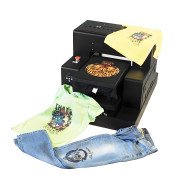
DTG printing offers high-quality, full-color images directly onto garments. It handles complex designs, photos, and gradients effortlessly. Plus, it supports small batch runs, making it ideal for personalized orders.
Unlike traditional screen printing, DTG doesn"t require extensive setup. This means you can produce custom items quickly and economically, even in low volumes. That flexibility allows brands to respond fast to customer requests.
Speed and Efficiency
One of the biggest advantages of DTG is speed. You can go from design to finished product in a matter of hours. No need for lengthy setup or multiple screens. For retailers, that means faster orders and happier customers.
Imagine chatting with a customer who wants a personalized gift. With DTG, you can create and ship a custom hoodie within the same day. That keeps your brand competitive and relevant.
Sustainable and Eco-Friendly
Today"s customers care about sustainability. Fortunately, DTG printing uses water-based inks, which are more environmentally friendly than traditional methods. Plus, it produces less waste since you only print what"s ordered.
It"s a win-win: your customers receive high-quality, personalized products, and you reduce your environmental footprint.
What It Takes to Incorporate DTG into Your Business
Investing in the Right Equipment
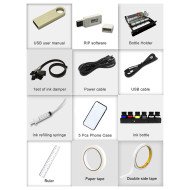
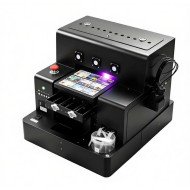
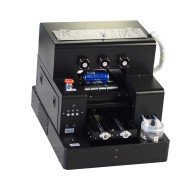
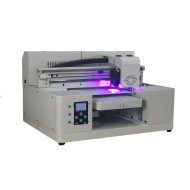
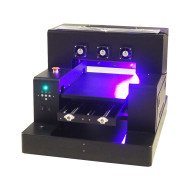
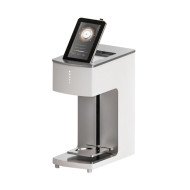
The cornerstone of successful DTG printing is reliable equipment. A good printer delivers consistent results and supports a wide range of fabrics and colors. For example, check out the A3 DTG Printer. It offers high resolution, fast throughput, and ease of maintenance—ideal for small to medium businesses aiming to expand their customization options.
Designing for Personalization
Design is everything. Use vibrant, versatile images that appeal to different customer segments. Also, consider offering customizable templates—this makes it easier for customers to modify designs themselves.
Tools like Adobe Photoshop or Canva can help craft eye-catching images, but keep files print-ready with high resolution (300 DPI) for the best results.
Streamlining Production and Orders
Invest in efficient workflows—from order intake to production and shipping. Automate as much as possible, using integrations with e-commerce platforms. This reduces errors, speeds up turnaround, and keeps customers happy.
Plus, use high-quality, durable garments, and always test print samples to ensure color accuracy and durability.
Customer Experience Matters More Than Ever
personalization isn"t just about the product; it"s about the experience. Make the process easy and engaging. Provide clear options for customization, preview tools, and swift communication. The easier and more transparent the process, the more likely customers will come back.
Consider offering design support or suggestions. Many people lack design skills but still want a personalized item. Guiding them through the process builds trust and loyalty.
Future Trends and Opportunities in Personalization
- On-demand production: Produce only what"s ordered, reducing waste and inventory costs.
- AR and VR integration: Allow customers to virtually try on or see their custom designs before purchasing.
- Sustainable materials: Pair DTG with eco-friendly fabrics for a truly green product line.
- Limited editions and collaborations: Create buzz by offering exclusive collaborations that tap into niche markets.
Plus, with advancements in dye-sublimation and hybrid printing, the possibilities will only grow, opening new avenues for creative customization.
FAQs
1. Is DTG printing cost-effective for small orders?
Absolutely. Unlike traditional screen printing, DTG doesn"t require expensive setups for each design, making it ideal for small runs or one-off orders.
2. Can DTG print on all fabric types?
DTG works best on cotton and some cotton blends. It"s less compatible with polyester or synthetic fabrics, unless special pretreatment is used.
3. How durable are DTG-printed designs?
If printed with quality inks and properly cured, DTG designs are durable and wash-resistant, lasting through many cycles.
4. What are the main benefits of integrating DTG into my business?
Faster turnaround, lower setup costs, high-quality images, and the ability to handle personalized, one-off orders efficiently.
5. Is DTG environmentally friendly?
Yes, especially compared to traditional printing methods, because it uses water-based inks and produces less waste.
If you're serious about meeting the rising diversity of consumer demands, investing in a reliable DTG printer is a smart move. You might want to check out the A3 DTG Printer for a professional start.




Leave a Comment