
New industrial automation investments accelerate demand for uv printer in short-run manufacturing
05 Dec
Posted By
0 Comments
77 Views
Struggling to keep up with the latest manufacturing trends? Curious about why UV printers are suddenly everywhere? You're not alone. Recent investments in industrial automation are really changing the game — especially for short-run manufacturing. Let"s unpack what's happening and why UV printers are at the center of this shift.
How Industrial Automation Is Accelerating Short-Run Manufacturing
When companies pour money into automation, they"re not just upgrading machinery—they"re transforming how products are made. These investments enable faster production, better quality control, and more flexibility. For manufacturers doing small batches, this is *huge*. They can produce custom orders or limited editions more efficiently without sacrificing quality. With automation, processes that once took hours now take minutes. Think about it: a nearby manufacturer I know recently upgraded their assembly line with robotic systems. Their output doubled, and quality became more consistent. This isn't just a trend; it's a seismic shift in how manufacturing operates daily. The same principle applies for digital printing, especially UV printers. As automation investments grow, so does the need for agile, high-quality printing solutions. UV printers enable rapid customization and short-run production, perfect for manufacturers needing quick turnaround times. This synergy between automation and UV printing is driving demand for faster, more efficient production methods.Why UV Printers Are the Go-To Solution in Short-Run Manufacturing
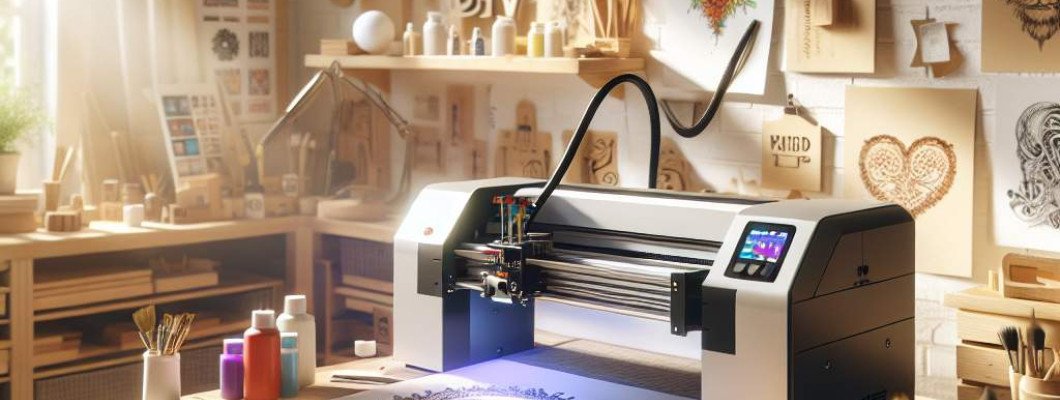
Sure, traditional printing methods still have their place, but UV printing offers a unique blend of speed, durability, and flexibility. It"s why more manufacturers are opting for UV printers in their workflows. **Here"s what makes UV printers stand out:**- **Fast curing time:** UV light instantly cures the ink, meaning no drying time is needed.- **Exceptional detail and vibrant colors:** Perfect for high-quality branding and custom designs.- **Ability to print on various materials:** Glass, plastic, metal, you name it.- **Cost-effective for short runs:** No need for plates or setup costs that traditional offset printing requires.- **Environmentally friendly:** Less waste and VOC emissions compared to solvent-based inks.For example, a company I spoke with recently started using a UV printer for their promotional products. They could fulfill custom orders in a day, whereas before, it took them at least a week. The result? Faster delivery times and happy clients.Wanna see what a UV printer looks like? Check this out: Spot UV PrinterThe Role of Automation Investments in Boosting UV Printing Demand
Big companies are investing heavily in automation, and this creates a ripple effect across the industry. When manufacturers automate their core processes, they also seek compatible finishing options—like UV printing—to enhance their product offerings.For instance, if you're already automating the assembly line, adding UV printing as a finishing touch can give your products a premium look without slowing down production. This integration reduces bottlenecks, increases output, and assures consistency.Imagine a local packaging firm that recently invested in robotic sorting and labeling. They paired this with UV printing to add glossy logos or holographic effects directly onto their packaging. This combo allowed them to meet tight deadlines while offering high-end finishes—something hard to do with traditional methods.Once automation becomes part of the factory"s DNA, demand for flexible, rapid, and high-quality printing solutions like UV printers naturally increases. It becomes a crucial piece to achieving the speed and customization today's markets demand.Real-World Examples: Success Stories from the Field
Take a small-scale manufacturer I talked to last month. They faced growing demand but struggled with long lead times. After investing in better automation equipment, they looked for ways to bring more value into their process. That's when they turned to UV printing.They started printing branding, labels, and decorative finishes right in-house, shaving days off their delivery schedule. Their customers noticed—more detailed, vibrant products, fast turnaround, and a touch of uniqueness that set them apart.Another manufacturer in the apparel industry began decorating fabric tags and accessories using UV printers. The result? Shorter run capabilities, intricate designs, and increased profit margins from premium finishes. It"s a clear sign that automation + UV printing = a winning combo.Getting Started with UV Printing in Your Automation-Driven Facility
If you"re considering expanding your automation investment to include UV printing, here are some tips:- **Identify your production bottlenecks:** Where could faster finishing or customization make the biggest difference?- **Choose the right UV printer:** Look for features like resolution, speed, and material compatibility.- **Train your team:** Ensure staff understands how to operate and maintain your equipment effectively.- **Integrate seamlessly:** Work with your automation suppliers to ensure smooth workflows.Remember, investing in automation and UV printers isn"t just about keeping up. It"s about gaining a competitive edge—producing faster, better, and more customizable products.And if you're curious about the specific equipment, have a look at this Glossy UV Coating Printer. It"s designed to fit into high-speed production lines and deliver stunning finishing results.FAQs: Your Questions About UV Printing & Automation
- Is UV printing suitable for small batches? Absolutely. Its low setup costs make it perfect for short runs and custom projects.
- How does automation impact the overall cost? While initial investments can be significant, the long-term savings in time, labor, and material waste often outweigh the costs.
- Can UV printers print on all materials? Most UV printers are versatile, capable of printing on plastics, metals, glass, and more. Always check if your specific model supports your materials.
- Is UV printing environmentally friendly? Compared to traditional solvent inks, UV inks produce less VOC emissions and waste, making them more eco-friendly.
- What"s the future outlook for UV printers with automation? As automation continues to evolve, UV printers will become even more integrated, faster, and capable of delivering high-end finishes in shorter timeframes.

UV Spare Parts – Comprehensive Range for UV Printer MaintenanceWe offer a complete selection of UV printer spare parts, designed to ensure your p..
$0.00
Ex Tax:$0.00

A2 Plus Size UV Printer – Precision Embossed Glossy Printing on Various MaterialsThe A2 Plus Size UV Printer offers a professional and versa..
$0.00
Ex Tax:$0.00

A4 UV DTF Printer – Dual-Function Printer for Direct and Transfer PrintingThe A4 UV DTF Printing Machine is a compact yet powerful dual..
$0.00
Ex Tax:$0.00

Smart modern nails auto printer X12.5 o2nails portable nail art printing machine
Product Description
Nail Printer X12.5
A desktop smar..
$0.00
Ex Tax:$0.00
A4 DTF Printer – Compact & Efficient Direct-to-Film Printing for Apparel CustomizationThe A4 DTF Printer is a powerful and compact solut..
$0.00
Ex Tax:$0.00
A3 Roll DTF Printer – High-Quality Direct-to-Film Printing for Custom ApparelThe A3 Roll DTF Printer is an advanced and efficient solution f..
$0.00
Ex Tax:$0.00

This new TX800 Head version is new design uv printer with industry class controller board and re-designed strong structures, it's 3 time faster than n..
$0.00
Ex Tax:$0.00
Golf Ball Printer – Compact Precision for Custom Golf AccessoriesThe Golf Ball Printer is a specialized UV printing solution engineered for ..
$0.00
Ex Tax:$0.00
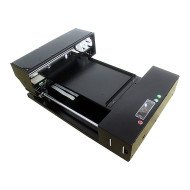
Headstone Photo Printer – High-Quality Tombstone and Memorial Photo PrintingThe Headstone Photo Printer is an innovative solution designed specificall..
$0.00
Ex Tax:$0.00
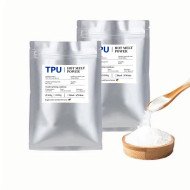
Why Choose Our DTF Transfer Powder?We are dedicated to delivering the highest quality DTF transfer powder adhesive to our customers, ensuring exceptio..
$0.00
Ex Tax:$0.00

Spot A4 LED UV Printer – High-Precision Printing on Cylindrical and Curved SurfacesThe Spot A4 LED UV Printer is a versatile, high-performance printin..
$0.00
Ex Tax:$0.00

A3 DTG Printer – High-Quality Direct-to-Garment PrintingThe A3 DTG Printer offers a professional, efficient solution for businesses looking to produce..
$0.00
Ex Tax:$0.00

A4 UV Printer Cylinder Printer – Custom Printing on Cylindrical and Curved SurfacesThe A4 UV Printer Cylinder Printer is designed to provide unparalle..
$0.00
Ex Tax:$0.00

Coffee Printer Printing Machine – Professional Custom Printing on BeveragesThe Coffee Printer Printing Machine is a professional-grade device designed..
$0.00
Ex Tax:$0.00
A2 Plus Size UV Printer – Precision Embossed Glossy Printing on Various MaterialsThe A2 Plus Size UV Printer offers a professional and versa..
$0.00
Ex Tax:$0.00

Smart Latte Coffee Printer – Innovating Beverage Personalization with Smart TechnologyThe Smart Latte Coffee Printer brings cutting-edge technology to..
$0.00
Ex Tax:$0.00

New A3 Spot UV Printing Machine Support Varnish and White PrintingThe A3 Spot UV Printing Machine brings a new dimension to your printing possibilitie..
$0.00
Ex Tax:$0.00

Mini Coffee Printer – Custom Printing on Coffee and BeveragesThe Mini Coffee Printer is a unique and innovative solution for businesses looking to add..
$0.00
Ex Tax:$0.00

Edible Food Ink - Premium Printing Solution for Culinary ArtistryGNFEI Edible Food Ink is a high-performance, food-grade ink specially formulated for ..
$0.00
Ex Tax:$0.00

The Flower Printer is a revolutionary printing solution designed specifically for the floral industry, enabling businesses to create personalized, vib..
$0.00
Ex Tax:$0.00
Leave a Comment