Navigating the Hidden Operational Bottlenecks in A3 Spot UV Printing
The Industrial Reality
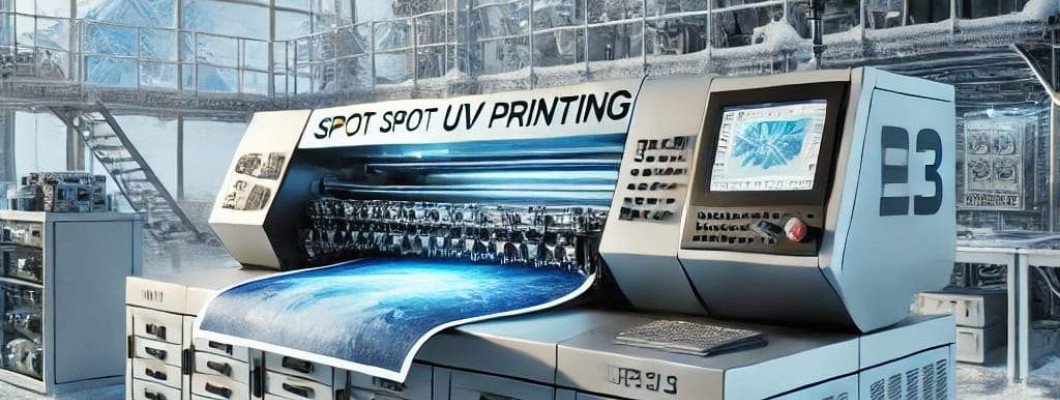
In the modern printing industry, where precision meets mass production, the A3 Spot UV Printing Machine emerges as a pivotal tool. But hidden beneath its promising surface are operational bottlenecks that can impede performance and profitability. Understanding these challenges is crucial for businesses seeking seamless integration into their production workflows.
Technical Deep-Dive
Spot UV Mechanics
The Spot UV process involves a delicate dance of precision application on substrates. Achieving micron-level accuracy requires a robust alignment mechanism capable of handling diverse substrate thicknesses -- often ranging from 0.1 mm to 2 mm. Misalignments due to mechanical wear can result in costly production errors.
Ink Viscosity Management
Spot UV ink features unique viscosity metrics that must be tightly controlled. High shear rates can affect the fluid dynamics, altering the final output. Continuous monitoring with real-time viscosity sensors might be implemented for optimal control, mitigating operational bottlenecks associated with ink flow rates.
Thermal Impact
UV curing involves significant thermal effects. The machine's ability to manage heat dissipation, crucial for maintaining consistent output, can be compromised by inadequate cooling systems. Addressing thermal bottlenecks involves strategic placement of heat sinks and high-performance fans, ensuring component longevity.
Data Processing and Throughput
Handling large data sets efficiently is vital for the Spot UV process, especially with high-resolution demands of up to 1200 dpi. The challenge lies in optimizing server throughput to ensure seamless data flow without latency, potentially requiring custom firmware updates and specialized data bus architecture.
Maintenance Frequency
Operational bottlenecks often stem from maintenance interruptions. A proactive strategy with predictive analytics can mitigate downtime by signaling potential failures before they occur. Ensuring consistent uptime demands precision in servicing schedules and spare part availability.
| Aspect | Conventional Path | Optimized Path |
|---|---|---|
| Ink Control | Periodic manual checks | Real-time sensor data |
| Thermal Management | Standard fans | Advanced heat sinks |
| Data Throughput | Generic firmware | Custom data architecture |
Scenario Analysis
Three distinct business scenarios illustrate these bottlenecks:
High-Volume Production Facility
In a high-volume setting, rapid substrate changes can strain the mechanical alignment system, leading to costly print errors. Implementing automated calibration modules can minimize this risk, enhancing throughput.
Precision Job Shop
For precision applications, particularly in fine art prints, maintaining ink viscosity is critical. Leveraging machine learning for dynamic adjustments ensures consistent quality across varied substrates.
Custom Packaging Enterprise
Custom projects demand flexibility in UV curing processes. Enhancing thermal management systems can significantly reduce the incidence of warped outputs, maintaining brand integrity.
Expert FAQ
Q1: How does substrate variability affect Spot UV efficiency?
A: Substrate variability impacts mechanical alignment precision, sometimes requiring recalibration to maintain micron-level accuracy.
Q2: Can ink viscosity sensors fully automate ink flow control?
A: While sensors significantly enhance control, integrating AI-based predictive models provides superior automation.
Q3: What are the implications of inadequate thermal management?
A: Poor heat dissipation can lead to component failure, reducing machine lifespan and effectiveness.
Q4: Are there specific firmware requirements for enhanced data processing?
A: Yes, custom firmware tailored to data bus architecture can improve throughput and processing speeds.
Q5: How often should predictive maintenance analytics be updated?
A: Updates should align with machine usage patterns; typically, quarterly reviews maximize predictive efficacy.
Strategic Verdict
As printing technologies evolve, the A3 Spot UV Printing Machine remains integral to industrial-grade precision output. Addressing hidden operational bottlenecks through advanced mechanical, thermal, and data processing innovations will define its future relevance and competitive edge.