Navigating the Future of 3D Printing: Scaling Challenges for 2025
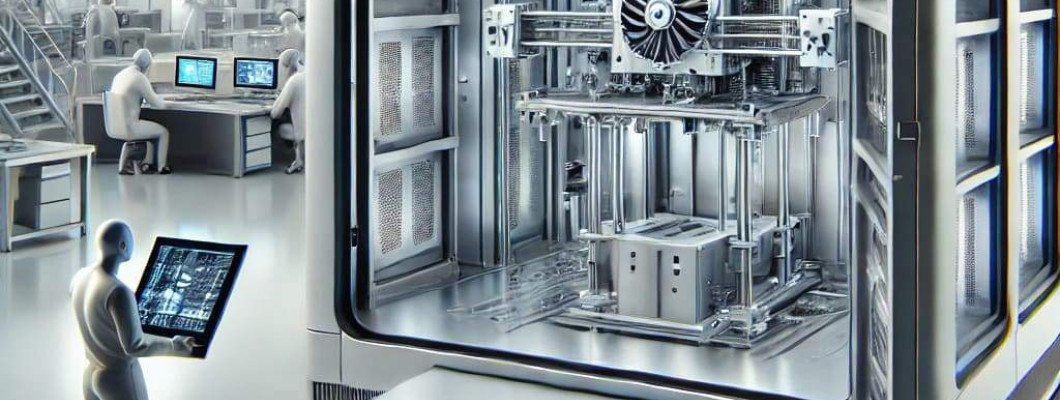
Imagine a bustling startup, filled with the hum of machines and the scent of innovation. This company has been riding the crest of the 3D printing wave, positioning itself at the intersection of creativity and commerce. Yet, as 2025 dawns, the horizon isn't as clear as it once was. Scaling hurdles loom large for businesses eager to capitalize on the best 3D printers coming to market.
Understanding Scaling Hurdles
The allure of 3D printing is undeniable—customization, speed, and cost-efficiency all wrapped into one. However, scaling these operations to meet growing demand presents unique challenges. One must consider various factors: the ability of printers to handle increased loads, the adaptability of software systems, and the necessity for skilled technicians to manage more complex workflows.
Balancing Load Capacity and Efficiency
Scaling requires a keen understanding of load capacity. A printer promising high-speed production might falter when pushed to its limits. Businesses must scrutinize specifications, ensuring their chosen model can sustain performance without compromising quality.
Adapting Software for Seamless Integration
Software systems must evolve alongside hardware advancements. The integration of AI and machine learning algorithms is anticipated to revolutionize operations by predicting maintenance needs, optimizing production schedules, and even suggesting design modifications for efficiency.
Investing in Skilled Technicians
The human touch remains critical. As 3D printing technology becomes more sophisticated, companies will need technicians with specialized knowledge to ensure printers not only function optimally but also innovate continuously.
Quality Trade-offs in High-Volume Production
While high-volume production is tempting, it can often lead to quality trade-offs. Businesses should implement stringent quality control measures to retain the integrity of their products amidst rapid scaling.
Real-World Case Studies
Case Study 1: The Expanding Startup
A startup known for its intricate designs faced scalability issues when demand surged. They invested in advanced printers capable of high-speed production but soon realized their software systems couldn't keep pace, leading to delays. By integrating predictive analytics, they streamlined operations and improved output consistency.
Case Study 2: The Traditional Manufacturer
A manufacturer transitioning from conventional methods to 3D printing struggled with workforce transformation. They retrained employees, emphasizing the value of precision and creativity, which led to a 30% increase in production efficiency.
Case Study 3: The High-Volume Factory
This factory expanded its 3D printing capabilities but faced quality control issues. Implementing a dual-layer quality assurance process helped maintain standards while increasing throughput.
Technical FAQ
- How do I ensure printers maintain performance under increased load? Regular maintenance checks and performance monitoring systems are essential for sustaining high efficiency.
- What software integrations are necessary for scaling operations? Invest in adaptive software solutions that can grow with hardware advancements, including AI-enhanced systems.
- How can I avoid quality trade-offs at high volumes? Implement robust quality control frameworks and continuously monitor production standards.
- Is workforce transformation necessary for 3D printing success? Yes, training programs focusing on new skills and technologies are crucial to keep pace with evolving demands.
- How do I prepare for future technology shifts? Stay informed on industry trends and invest in adaptive technologies that offer long-term scalability.
Strategic Summary
Positioning your business at the forefront of the 3D printing revolution in 2025 is a strategic endeavor requiring foresight and innovation. By addressing scaling hurdles head-on—balancing load capacity, adapting software, transforming your workforce, and maintaining quality—your company can thrive amidst this technological evolution. The key lies in leveraging cutting-edge solutions while nurturing the human element that drives innovation. Embrace these challenges as opportunities to redefine what's possible in 3D printing.