Navigating Operational Bottlenecks with A3 DTG Printing

The Industrial Reality
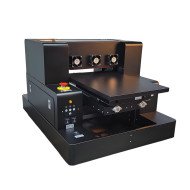
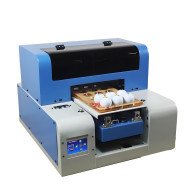
In the realm of textile printing, direct-to-garment (DTG) technology is a game-changer, but operational bottlenecks can stifle potential gains. The A3 DTG Printer T-shirt Printing Machine exemplifies the challenges faced by businesses seeking efficiency and high-quality output.
The key issues often lie in processing speed and quality control. A typical scenario involves a medium-sized printing operation. The business experiences delays as manual interventions increase, disrupting the workflow. Print quality inconsistencies result in wasted materials, increasing costs and operational stress.
Technical Deep-Dive
Print Speed versus Quality
Balancing print speed with quality is crucial. The A3 DTG printer operates at varying speeds—an average of 30 shirts per hour at 600 dpi versus 15 shirts per hour at 1200 dpi. The choice between throughput and resolution becomes a strategic decision.
Ink Chemistry and Fabric Compatibility
DTG printers rely on specialized inks. These inks must adhere well and remain vibrant on cotton substrates. Ink chemistry determines fade resistance and color richness. Providers often neglect the impact of ink composition on drying times, leading to reduced throughput.
Thermal Management Challenges
Effective thermal management is pivotal. Typical A3 DTG machines generate significant heat—approaching 70°C—in printhead areas. Heat dissipation systems must be optimized to prevent overheating and maintain consistent print quality.
Maintenance and Printhead Longevity
Daily maintenance impacts uptime. Printheads can clog, leading to costly downtime. Regular cleaning cycles and automated purging systems can mitigate these risks but require structured implementation.
Data Analysis and Workflow Automation
Workflow automation stands as a vital innovation. Data-driven approaches can enhance scheduling, reduce idle times, and optimize material usage. Integration with ERP systems allows real-time monitoring and predictive maintenance scheduling.
| Specification | Speed (shirts/hr) | Resolution (dpi) |
|---|---|---|
| Normal Mode | 30 | 600 |
| High-Resolution Mode | 15 | 1200 |
Scenario Analysis
Medium-Scale T-Shirt Printing
For a business printing 500 shirts per day, speed and quality trade-offs require strategic planning. Investing in high-resolution settings leads to superior quality but cuts throughput by half.
High-End Fashion Labels
Fashion labels prioritize quality over quantity. Here, the resolution settings of the A3 DTG printer enhance brand reputation while accepting lower production rates.
Customized Merchandise Production
Customization requires flexibility. The A3 DTG printer caters to unique designs, but operational bottlenecks demand predictive scheduling and robust ink management to meet deadlines.
Expert FAQ
How do DTG printers handle multi-fiber blends?
While primarily designed for cotton, A3 DTG units can manage blends with specialized pre-treatment solutions to ensure ink adhesion.
What are the environmental impacts of DTG ink?
DTG inks are generally eco-friendly, water-based solutions. However, disposal and waste management protocols must be adhered to minimize environmental impact.
Can automated systems prevent printhead clogs?
Automated purging and cleaning cycles are effective but require regular calibration to align with specific ink types and print volumes.
How does substrate type affect printing speed?
Substrate characteristics like texture and absorbency directly influence drying time, impacting overall throughput speed.
Is there a way to dynamically balance print speed and quality?
Advanced software solutions allow dynamic adjustments to print settings based on real-time data analytics, optimizing both speed and quality.
Strategic Verdict
While the A3 DTG Printer T-shirt Printing Machine presents key operational challenges, strategic planning and technological integration can mitigate these bottlenecks. As the digital textile industry evolves, optimizing for efficiency without sacrificing quality remains the core challenge. Balancing speed, precision, and adaptability will determine future success in the sector.