Navigating Infrastructure Challenges in LED UV Cylinder Printing
The Industrial Reality
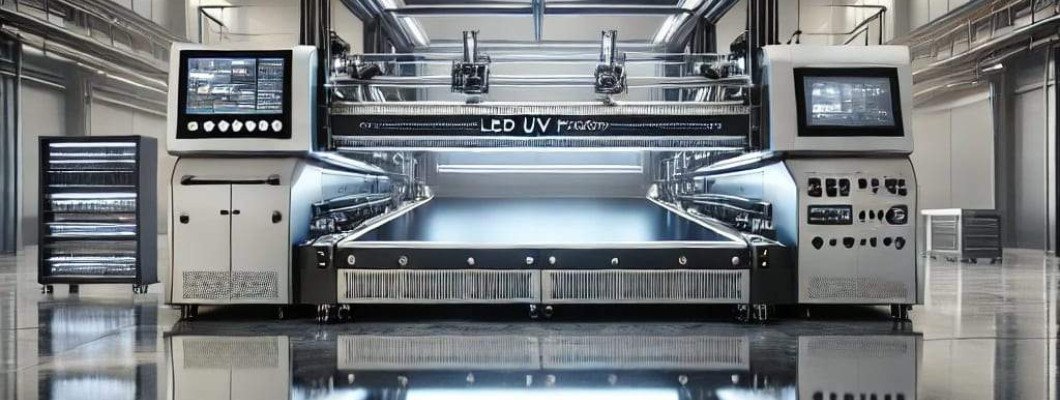
In the realm of LED UV printing, cylinder printing presents unique infrastructure challenges that can severely impact operational efficiency. When dealing with Spot A4 LED UV printers, the focus often shifts to physical setup intricacies and compatibility concerns within existing frameworks. The challenges transcend basic installation and delve into electrical load management, spatial constraints, and integration with legacy systems, which are often overlooked by enterprises eager to capitalize on advanced technology.
Technical Deep-Dive
Load Management and Electrical Consumption
LED UV printers like the A4 require precise electrical load management due to their power-hungry operations, typically demanding 500-700 Watts during peak usage. This necessitates re-evaluation of circuit capacities and thermal dissipation strategies, especially in facilities with outdated electrical infrastructure.
Spatial Considerations and Equipment Density
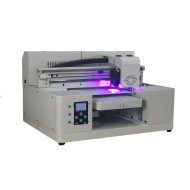
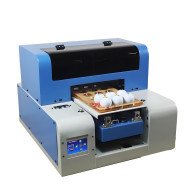
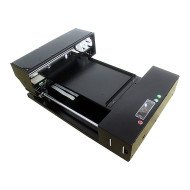
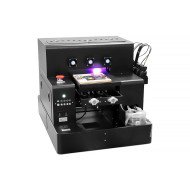
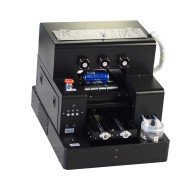
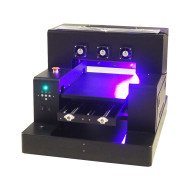
Positioning the Spot A4 LED UV printers within existing manufacturing setups involves balancing accessibility with space constraints. Given their dimensions of approximately 500mm x 300mm x 400mm, these units require careful planning to optimize workspace, which directly affects throughput and workflow efficiency.
Legacy System Integration
Integrating modern LED UV printers with legacy systems involves significant challenges, primarily related to data transfer protocols and software compatibility. The transition often requires custom middleware solutions, which can introduce unforeseen latency and complicate maintenance workflows.
Material Compatibility and Precision
The ability to print on diverse substrates using UV LED technology demands a meticulous understanding of material properties. The Spot A4 excels in micron-level precision, but this requires in-depth calibration and testing processes to ensure consistency across varied substrates.
Environmental and Safety Compliance
With stringent environmental regulations, LED UV printers must adhere to safety compliance standards, focusing on UV light exposure levels and cooling solutions to minimize risks of overheating or chemical exposure. Compliance impacts not only the installation but also ongoing operation costs.
Scenario Analysis
Consider three different business scenarios to understand how the Spot A4 LED UV Printer's specs impact operations:
High-Volume Manufacturing Facility
In a high-volume manufacturing setup, the integration of Spot A4 LED UV printers could result in substantial throughput increases. However, the need for advanced thermal management systems becomes critical, adding layers to overall infrastructure costs.
Small Artisan Studio
Artisan studios benefit from the printer's high-precision on small substrata. However, the challenge lies in managing space and ensuring sufficient electrical supply without upgrading the entire grid, which could be prohibitive for smaller operations.
R&D Laboratory
For R&D facilities focusing on substrate innovations, the printer's precision and versatility are invaluable, but integration with data analytics software can be cumbersome, requiring additional IT support and custom solutions.
Expert FAQ
Q1: What are the key electrical setup requirements?
A1: Typically, a 240V circuit is necessary, but facilities must assess total electrical load and balance across other equipment.
Q2: How does UV LED affect substrate quality?
A2: UV LEDs provide high-resolution print quality, but substrates need pre-treatment to enhance ink adhesion.
Q3: What are the maintenance demands?
A3: Daily cleaning of printheads and routine inspections are essential to prevent downtime due to ink clogging.
Q4: Are there special safety measures for UV exposure?
A4: Yes, proper shielding and protective gear are vital, along with regular monitoring of UV emission levels.
Q5: How do infrastructure changes affect ROI?
A5: Although initial costs can be high, correct infrastructure alignment ensures sustainable ROI through increased production efficiency.
Strategic Verdict
The trajectory of LED UV cylinder printing technology suggests an increasingly critical role in digital manufacturing ecosystems, particularly in environments poised to embrace infrastructure integration. While barriers exist, strategic planning and infrastructure alignment will position enterprises to leverage these advancements effectively.