
Micro-factories rising as dtg printer technology enables on-demand apparel production in 2025
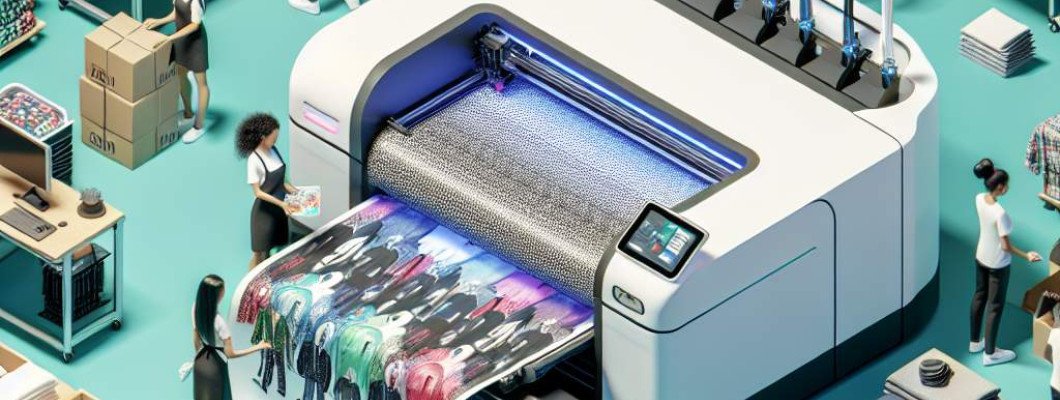
Struggling to keep up with fast-changing fashion demands?
If you're in the apparel industry, you know how challenging it is to balance quick turnaround times with quality and sustainability. Traditional factories can be slow, bulky, and expensive. But what if there was a way to produce custom clothing quickly, cost-effectively, and locally? That"s exactly what the rise of micro-factories powered by DTG printing technology is making possible in 2025.
Years ago, I chatted with a small business owner frustrated by long wait times and large inventory costs. Now, thanks to on-demand digital printing, they can produce shirts as orders come in. This shift is changing the game completely. Let's explore how this technology is shaping the future of apparel manufacturing.
The Micro-factory Revolution: Why It Matters
What Are Micro-factories?
Micro-factories are compact manufacturing units designed to produce small batches of customized products locally. Unlike traditional factories, which require large spaces, huge investments, and long production cycles, micro-factories operate efficiently in smaller spaces and focus on flexibility. They enable brands to meet customer demands almost instantly, reducing waste and lowering costs.
Imagine a setup that fits into a small storefront or warehouse, yet can produce high-quality garments tailored to specific needs. That"s what micro-factories do, especially with the latest advancements in digital textile printing.
Why Are Micro-factories Growing Fast?
- On-Demand Production: Minimize unsold inventory by printing only what"s ordered.
- Speed: Shorten lead times from weeks to days or even hours.
- Sustainability: Reduce waste significantly compared to mass production.
- Localization: Serve local markets better, reducing shipping costs and delays.
These factors are compelling brands and entrepreneurs alike to adopt micro-factory models. It"s about agility, sustainability, and staying ahead of consumer trends.
The Role of DTG Printing Technology
What Is DTG Printing?
DTG stands for Direct-to-Garment printing. It"s a digital printing method where ink is directly applied onto textiles, allowing for vibrant, detailed designs. Because it"s digitally controlled, it supports on-demand, small-batch, or even one-off production runs with high precision.
Think of it as the modern, eco-friendly alternative to screen printing. It allows for more complex images, quick color changes, and less setup time. The result? Fast, customizable garments with professional quality.
How DTG Empowers Micro-factories
With a high-quality DTG printer—like the A3 DTG Printer—micro-factories can:
- Produce full-color, highly detailed designs instantly
- Switch designs quickly without needing new screens or setups
- Maintain low inventory by printing as orders come in
It"s like having a mini design studio right inside your micro-factory. Plus, newer DTG printers are faster, more reliable, and easier to operate than ever before.
Impact on Apparel Production in 2025
Faster Turnarounds and Greater Flexibility
In 2025, micro-factories no longer rely on large, centralized factories. Instead, brands and entrepreneurs can set up small, automated units in strategic locations. These facilities can produce everything from custom T-shirts to specialty apparel on-demand. As a result, brands can rapidly respond to emerging trends and customer preferences, reducing the cycle from weeks to days.
This rapid production capability means smaller brands can compete with major players, offering personalized products without long lead times or high inventory costs. It also enables larger brands to experiment with limited editions and regional designs effortlessly.
Enhanced Sustainability and Cost Savings
Traditional apparel manufacturing involves bulk production, excess inventory, and often, waste. Micro-factories with DTG technology change that—they greatly reduce overproduction and scraps, supporting sustainable practices. Furthermore, local production cuts logistics costs and emissions.
Many brands are already seeing savings in storage, transportation, and waste disposal, aligning business growth with eco-conscious values.
Future Outlook: Opportunities and Challenges
Opportunities for Entrepreneurs and Brand Owners
- Start small and scale as demand grows
- Offer hyper-personalized or limited-edition collections
- Test new market niches with minimal investment
- Reduce time-to-market significantly
By embracing micro-factories and DTG technology, you can turn your apparel ideas into reality faster than ever before. It"s a perfect setup for startups, local businesses, or even large brands looking to innovate.
Common Challenges to Consider
- Initial Investment: While costs are lower than traditional factories, quality DTG printers still require capital.
- Learning Curve: Operating DTG printers and managing micro-factories needs some technical know-how.
- Sustainability of Supply: You must secure reliable sources for garments, ink, and maintenance.
But with proper planning and understanding, these hurdles are manageable. The benefits of faster, flexible, and sustainable production far outweigh the challenges.
Looking Ahead
The combination of micro-factories and DTG printing technology is poised to change apparel production permanently. As these tools become more affordable and accessible, expect to see more small-scale, innovative brands disrupting the market.
If you"re ready to step into this new era, consider investing in a quality DTG printer. For example, check out the A3 DTG Printer — it"s a solid choice for small-scale, on-demand production.
Frequently Asked Questions
1. How affordable is setting up a micro-factory?
The initial investment varies, but entry-level DTG printers can cost from $10,000 to $30,000. Consider ongoing expenses like ink, maintenance, and raw garments. It's a cost-effective way to start small and grow gradually.
2. How fast can I produce garments with a DTG printer?
Most modern DTG printers can produce a T-shirt in 2-5 minutes. Speed depends on the model and design complexity. The key advantage is rapid turnaround, suitable for on-demand orders.
3. Can I print on different fabric types?
Yes, quality DTG printers work best on 100% cotton and some blends. For other materials like polyester, special pretreatment or inks may be necessary. Always check your printer"s specifications.
4. Is DTG printing durable enough for retail products?
Absolutely. When done correctly, DTG prints are durable, withstanding multiple washes without significant fading. Proper curing and pretreatment are crucial for longevity.
5. How environmentally friendly is micro-factory apparel production?
Significantly more eco-friendly than traditional methods. Less overproduction means less waste. Digital inks are often water-based and less harmful. Plus, localized production cuts transportation emissions.












Leave a Comment