
Micro-factories adopting dtg printer technology to satisfy booming custom apparel demand in 2025
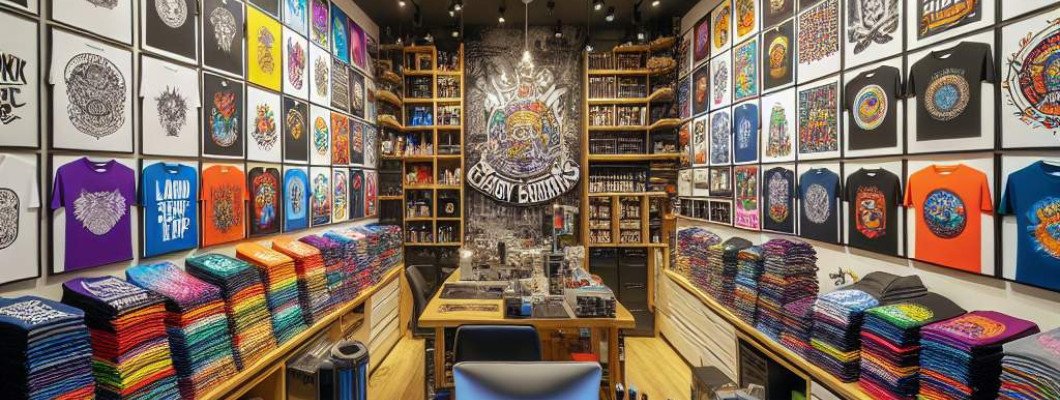
Is your micro-factory ready to meet the surging demand for custom apparel in 2025?
If you've been watching the apparel industry, you probably noticed a clear trend: consumers want personalized, one-of-a-kind clothing. Traditional manufacturing methods just can't keep up with this demand anymore. That's where micro-factories adopting DTG printer technology come into play. They"re transforming small-scale apparel production, making it faster, more flexible, and highly responsive to market trends. So, if you"re wondering how to stay competitive, this post is for you.
Why is DTG Printing a Game-Changer for Micro-Factories?
Fast Turnaround Time
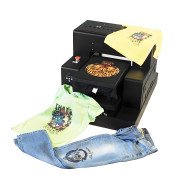
DTG, or Direct-to-Garment printing, allows for quick production cycles. Unlike screen printing, which requires creating screens and setups for each design, DTG printers can switch designs instantly. This means your micro-factory can produce limited runs or even single items without significant delays. Imagine taking a design from concept to finished product in just a few hours — that"s the power of DTG technology.
Cost-Effective for Small Batches
Since DTG printers don"t need expensive screens or setup fees, they"re perfect for on-demand production. This reduces inventory costs and minimizes waste, enabling micro-factories to serve a niche but growing market of personalized apparel. Whether it"s custom t-shirts for a local event or a limited edition drop, DTG makes it affordable and efficient.
High-Quality, Detailed Designs
Today"s DTG printers deliver vibrant colors and crisp images suitable for complex artwork, photographs, or detailed logos. For micro-factories aiming to cater to small but quality-conscious brands or individual customers, this means you can offer premium products that stand out.
Adopting DTG in Your Micro-Factory: What You Need to Know
Investing in the Right Equipment
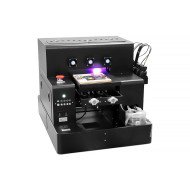
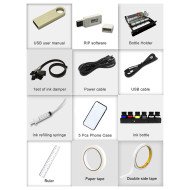
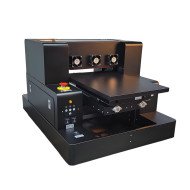
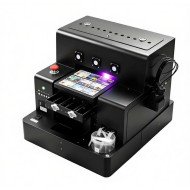
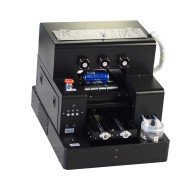
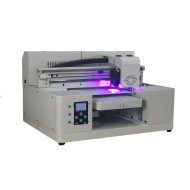
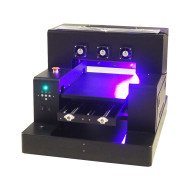
Choosing the right DTG printer is essential. Look for models with high print resolution, reliable ink systems, and compatible with a variety of fabrics. For example, check out the A3 DTG Printer, which is popular among small-scale producers for its versatility and quality.
Training and Workflow Optimization
You"ll want to train your team to operate the printers efficiently. Simplify workflows by pre-treating garments uniformly and maintaining equipment regularly. Automation features in modern DTG printers can help reduce errors and speed up production.
Design Management
Integrate easy-to-use design software that connects directly to your printer. This cuts down prep time and allows for quick updates to your catalog, keeping you competitive in a fast-moving market.
Case Study: Local Micro-Factory's Success with DTG
Let me tell you about Emily, who runs a small apparel micro-factory. She started with traditional screen printing but found it too slow for her customers" needs. Once she invested in a DTG printer, her production capacity skyrocketed.
Within months, Emily was able to offer personalized designs with short lead times. Her profit margins improved because she avoided inventory and machine setup costs. Now, her shop is a favorite spot for local brands and sports teams needing quick custom gear. Sounds inspiring? It"s achievable for you too.
Future Trends: Micro-Factory Innovation in 2025
Integration with E-Commerce Platforms
Micro-factories will increasingly integrate their DTG printing workflows with online stores. This creates seamless ordering systems where customers design their apparel directly, and your micro-factory handles fulfillment without delay.
Eco-Friendly Printing
Expect to see more eco-conscious ink systems and sustainable fabrics in DTG printing. This aligns with the growing demand for greener fashion options, giving micro-factories a competitive edge.
Automation and AI
Automation tools and AI-driven design suggestions will streamline operations further, making it easier than ever for small teams to produce high-quality, customized apparel at scale.
Key Takeaways for Your Micro-Factory
- DTG printers enable fast, on-demand, and high-quality apparel production.
- Invest in reliable equipment, like the A3 DTG Printer, to stay ahead.
- Train your team thoroughly and optimize your workflow for maximum efficiency.
- Leverage e-commerce integrations to expand your reach quickly.
- Stay environmentally conscious to appeal to eco-aware customers.
FAQs
Can I start a micro-factory with a DTG printer on a small budget?
Yes, many affordable models are available, and their quick setup costs make them ideal for smaller budgets. Start with a reliable entry-level printer and scale as your business grows.
What fabrics work best with DTG printing?
100% cotton or cotton-blend fabrics typically produce the best results. For synthetic fabrics, special pretreatment or compatible inks are needed, so check your printer specifications.
How does DTG compare to screen printing in terms of durability?
Modern DTG inks are quite durable, especially when properly cured. For maximum longevity, follow the manufacturer"s care instructions, such as washing inside out and avoiding bleach.
Is DTG printing environmentally friendly?
It can be, especially compared to traditional screen printing, because it produces less waste and uses water-based inks. Always choose eco-friendly inks and fabrics for greener operations.
How quickly can I fulfill custom orders using DTG?
Usually within 24 to 48 hours, depending on complexity and order volume. The speed is an enormous advantage for micro-factories aiming to serve on-demand customers.
Thinking about boosting your micro-factory with the latest DTG printing technology? It"s clear that embracing this shift can make your business more agile, sustainable, and competitive in 2025 and beyond. Feel free to explore the A3 DTG Printer as a solid starting point to get your journey underway.





Leave a Comment