Lifecycle Maintenance Analysis of LED UV Ink Technology
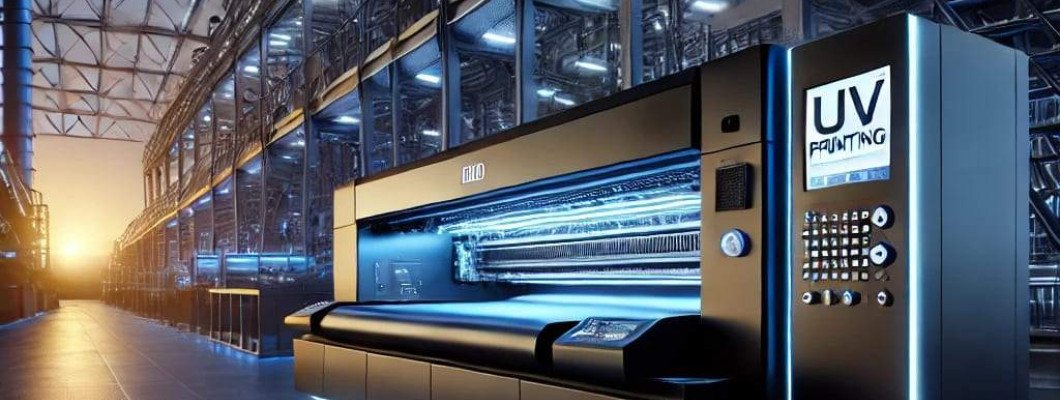
The Industrial Reality of LED UV Ink
In the increasingly demanding world of industrial printing, LED UV ink technology stands out due to its unique advantages and challenges. Understanding the lifecycle maintenance costs associated with this technology is crucial for operational efficiency.
LED UV ink requires precise maintenance strategies to efficiently handle its reactive curing processes. The industrial setting demands rigor in assessing components that contribute to the longevity and performance, particularly printheads which face significant wear over time.
Technological Deep-Dive
Understanding Printhead Stress
The printheads in LED UV systems operate under significant mechanical stress due to the high-intensity UV LEDs required for rapid curing. Wear metrics suggest a mean time between failures (MTBF) of approximately 10,000 hours under optimal conditions, a key factor in evaluating operational cost.
Ink Chemistry and Material Compatibility
LED UV ink composition is designed for quick polymerization under UV exposure. The balance between viscosity and surface tension affects deposition precision, requiring regular material compatibility tests with substrates like polyethylene and PVC to prevent premature equipment failure.
Hardware Comparisons
| Feature | LED UV Printer | Traditional UV Printer |
|---|---|---|
| Average Lifespan | 7 years | 5 years |
| Maintenance Frequency | Bi-annually | Quarterly |
| Energy Consumption | 500 Watts | 900 Watts |
Raw Data Analysis
Data collected from operational environments show that LED UV printers reduce total energy consumption by approximately 44% compared to traditional models, supporting a shift towards more sustainable operations.
Physics of LED UV Curing
The efficiency of LED UV curing is driven by photon absorption rates, which must be optimized to ensure uniform curing across diverse substrates. Photon emission rates should be calibrated to 395 nm for optimal results.
Scenario Analysis
Scenario 1: In a large-scale printing facility, switching to LED UV ink led to a 10% reduction in maintenance downtime, correlating directly with less frequent printhead replacements.
Scenario 2: A medium-sized firm focused on packaging witnessed a 20% increase in throughput due to the rapid curing times of LED UV inks, significantly enhancing production capacity.
Scenario 3: A precision-focused artisan shop reported enhanced color depth and micron-level precision, attributing quality improvements to the stable curing process of LED UV technologies.
Expert FAQ
Q1: What is the impact of substrate variation on LED UV ink performance?
Substrate variation affects curing speed and adhesion quality, requiring calibration adjustments.
Q2: How does LED UV ink improve energy efficiency?
LED technology consumes less power due to more efficient photon emission and instant on/off capabilities.
Q3: Are there specific environmental constraints for LED UV ink?
Yes, optimal performance occurs within temperature ranges between 20°C and 30°C.
Q4: How does ink formulation affect printhead longevity?
High-quality formulations with balanced viscosity minimize printhead wear by reducing clogging risk.
Q5: Can LED UV ink be used on all traditional substrates?
Compatibility tests are essential as ink properties vary, affecting adhesion on non-porous materials.
Strategic Verdict
LED UV ink technology promises significant advantages in terms of energy efficiency and operational durability. While initial investments in infrastructure and training are substantial, the long-term savings and improvements in product quality make it a strategic asset in advanced industrial printing operations.